
Lewiston Schools Add Recess Breaks to Improve Focus
Across several Maine districts, administrators are quietly altering the daily schedule by adding extra minutes of unstructured play time, and educators are reporting immediate improvements in student behavior and classroom focus.
Recess is traditionally viewed as a simple break from instruction, but public health data tells a different story. Studies from the U.S. Centers for Disease Control and Prevention show that regular physical activity increases student movement while sharpening memory, sustaining attention, and reducing disruptive behavior in the classroom.
Principal Tiffany Sax noted that the change supports healthy child development by boosting physical stamina and classroom engagement. Educators often join students outside to help model positive social interactions and guide conflict resolution.
How Additional Time Reshapes the School Day
The adjustments look different across participating districts. In Farmington-area Regional School Unit 9, students arriving early can utilize an additional 15 minutes of recess before the opening bell rings. According to Stacey Gilbert, a principal at a Farmington elementary school, the extra time has noticeably improved attendance and smoothed out morning routines.
“Teachers report that students are arriving calmer and more prepared, and making much smoother morning adjustments,” Gilbert said. She added that parents have welcomed the change, noting that morning preparation battles have transformed into children urging families out the door to arrive at school on time.
Maine law requires kindergarten through fifth grade to have at least 30 minutes of recess daily, though that total can include transition periods between classes or lunch. Individual building administrators ultimately decide how to structure that time. Some Lewiston facilities have expanded those blocks further. Farwell Elementary School provides an extra 20 minutes for kindergarten students, while Raymond A. Geiger Elementary School incorporates a 15-minute structured team-building play block for first and second graders.
Addressing Motor Skills and Screen Time
Occupational therapist Roxanne Lenhert and physical therapist Melissa Hunt, who work across Lewiston Public Schools, emphasize that physical play combats the sedentary habits reinforced by heavy screen consumption. Hunt pointed out that children’s physical strength, such as the grip required for monkey bars or core stability when lying flat, has declined.
When children run, climb, and observe peers navigating the playground, they build essential hand and motor skills that translate directly back to desk work, like handwriting. “The motor imitation is really good,” Hunt said.
Beyond physical stamina, educators note the social value of unstructured play. Lenhert and Hunt observe students teaching peers how to navigate games and assisting classmates with delayed motor skills. When weather forces recess indoors, teachers report an immediate drop in focus and participation.
Statewide Push for Protected Play Time
A newly formed group, the Maine chapter of Say YES to RECESS, advocates for expanding protected movement time across all state schools, calling for two 30-minute daily recess periods. Chapter leader Danielle Dalton of Scarborough argued in a recent op-ed that play forms a vital foundation for learning that cannot be replicated through traditional instruction alone.
Meanwhile, schools are weaving movement into indoor spaces as well. Hallways feature painted hopscotch boards and stretching prompts, ensuring students encounter physical activity even when outdoor access is limited by weather or safety concerns.
Related reading

Palmer Group survey: Iowa employers prioritize technology – Business Record
Iowa Employers Pivot Toward Technology and Retention as 2027 Planning Takes Shape “Companies are trying to find efficiencies,...

How American Lives Theatre Brought New Playwriting to Indianapolis
Running through November 8 at the Phoenix Theatre Cultural Centre in downtown Indianapolis, the world premiere of The...
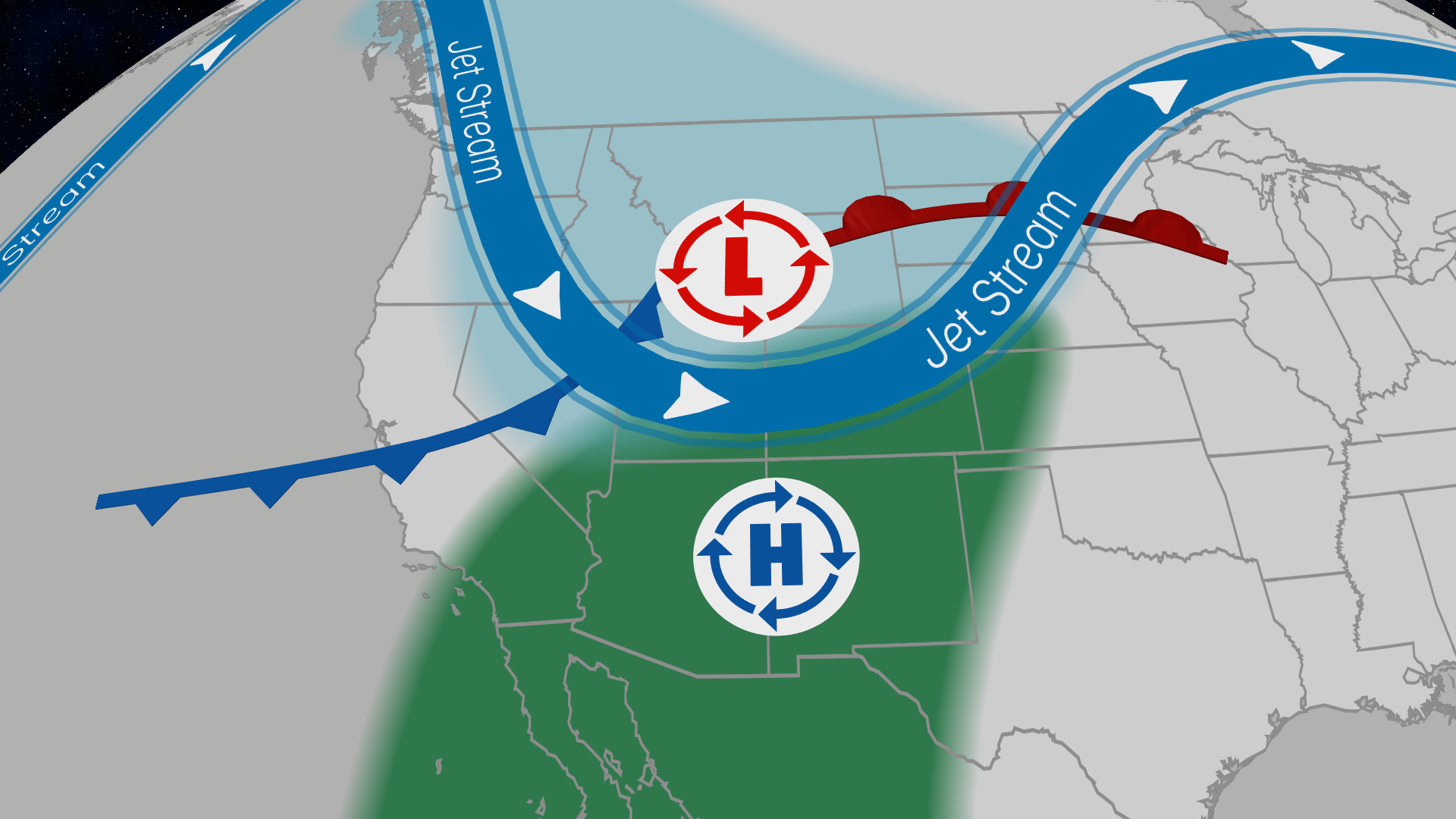
Tornadoes surge in Arizona, New Mexico this month. Here’s why. – The Weather Channel
When the Desert Spins If you live in the Southwest, severe weather and tornadoes rarely interrupt an afternoon....

Trudy Redus, founder of Motivating People Across Communities (MPAC), has officially earned the
Professional Milestones and Community Resilience in Jefferson County Trudy Redus, founder of Motivating People Across Communities (MPAC), has...