
Starting a business in Delaware means paying $75 for your first state business license, getting prorated for your first year, and renewing every December 31—but only if you actually operate in the state, Nav reported. The license, issued by the Division of Revenue rather than the Division of Corporations that forms your LLC, applies to each business activity and each location, and missing it can block you from legal operation, SBA loans, and bank financing.
With most Delaware business licenses expiring December 31 each year, owners must renew by December 31 of the year before the new license starts, and the state recommends renewing online through One Stop or mailing in a renewal with the fee.
Why Forming a Delaware LLC Doesn’t Automatically Mean You Need a Delaware License
Simply forming an LLC or corporation in Delaware doesn’t trigger the licensing requirement. If your business lacks property, employees, or what qualifies as substantial presence in the state, you are likely exempt. The Division of Revenue offers a nexus questionnaire to determine whether you need one, or you can call 302-577-8778. Free training and consulting are available through the Delaware SBDC.

The distinction matters because the Division of Corporations handles entity formation while the Division of Revenue licenses business activity—two separate offices with separate paperwork.
What the License Costs and How the Gross Receipts Tax Works
Most businesses pay $75 annually for a first location, prorated based on how many full months remain in the license year. Retail licenses cost $90 because they include a $15 Retail Crime Fee, travel agents pay $225, and commercial lessors add $25 per additional location. After the first year, you can purchase a three-year license for three times the annual fee—no discount, just upfront payment.
Delaware charges no sales tax, but it levies a gross receipts tax on total revenue rather than profit, with rates ranging from 0.0945% to 1.9914% depending on business activity, and petroleum products reaching 2.4218%. Most businesses receive an exclusion starting at $100,000 monthly or $300,000 quarterly, scaling up to $1,250,000 monthly for certain categories, meaning receipts under that threshold aren’t taxed. New businesses file quarterly, with returns due the last day of the month after each quarter ends, while monthly filers pay by the 20th. Returns are filed through the Delaware taxpayer portal.
Getting Your License Through One Stop
The process starts with setting up your legal structure—entities file with the Division of Corporations while sole proprietorships skip that step—then obtaining an EIN. You complete the One Stop application at Delaware One Stop, which registers you with the Division of Revenue and, if you have employees, walks you through unemployment insurance, workers’ compensation, and payroll withholding in the same session. After paying through the Go DE payment gateway, online applicants can print a temporary license valid for 60 days, with the permanent license mailed within 10 working days. Mailed applications receive no temporary license.
Once you have your license number, set up your gross receipts tax account in the taxpayer portal. If operating under a trade name, register it in One Stop for a one-time $25 fee.

City Licenses Add Another Layer in Wilmington, Dover, and Newark
Wilmington requires a city license for businesses operating within city limits, with fees set by category and a $30 option for licenses with gross receipts of $10,000 or less. Dover requires a license running August 1 to July 31, with costs varying by license type and purchase month. Newark bases fees on municipal service demands. Other towns set their own rules, so Delaware’s Business First Steps site advises contacting the specific county, city, or town where you operate.
Professional and Industry-Specific Licenses
Certain professions require additional licensing through specialized agencies. Contractors register with the Department of Labor’s Office of Contractor Registration before work begins. Electricians are licensed by the Division of Professional Regulations Board of Electrical Examiners, while plumbing and HVACR licenses come from the Board of Plumbing, Heating, Ventilation, Air Conditioning and Refrigeration Examiners. The Division of Professional Regulation handles cosmetologists, real estate professionals, and accountants. Alcohol licenses come from the Office of the Alcoholic Beverage Control Commissioner, childcare from the Office of Child Care Licensing, and food service permits from the Division of Public Health Office of Food Protection. Landscaping falls under contractor registration, while pesticide application requires a $50 annual license from the Department of Agriculture.
Rules Governing Senior Fee Reductions
Delaware offers a 75% discount on annual license fees for people 65 or older who meet specific requirements. License fees aren’t refundable for any unexpired term, and licenses can’t be transferred to new owners—changing your legal entity means applying for a new license. These fees are separate from LLC formation costs and annual report fees.
December 31: The Renewal Deadline Approaching
Most Delaware business licenses expire December 31 each year, with three-year licenses expiring December 31 of the third year. Renewal requires payment by December 31 of the year before the new license starts, at the fee rate in effect at renewal time. While gross receipts returns continue on their own monthly or quarterly schedules regardless of license renewal, and entity annual filings run separately—LLCs paying annual tax by June 1 and corporations filing by March 1—the license renewal itself demands attention before year-end to avoid operating unlicensed.
Worth a look

Nasdaq Rebounds as Chip Stocks Recover from AI Regulation and Jobs Data Fears
Nasdaq Rebounds as Semiconductor Equities Shake Off Correction Fears The Nasdaq Composite staged a recovery on Friday, clawing...

Wyoming Digital Government Summit focuses on AI and cybersecurity
Wyoming’s Digital Shift: Cybersecurity and AI at the Forefront On May 20, 2026, state and local government leaders...
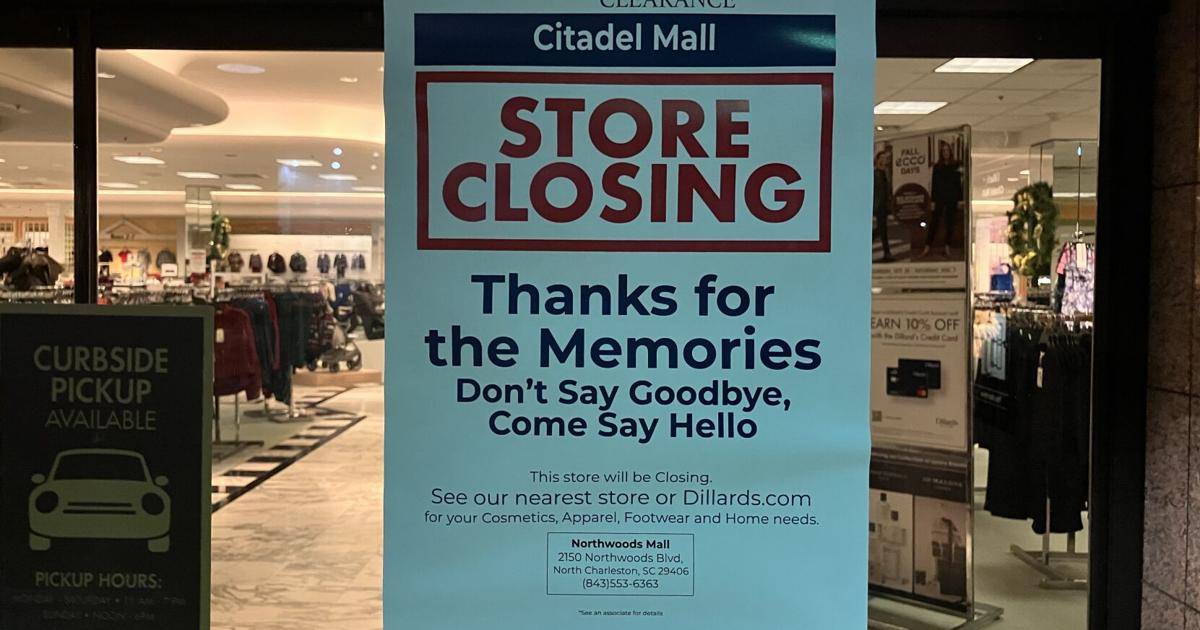
Dillard’s to Close Citadel Mall Location After 34 Years
Dillard’s to Exit Citadel Mall After 34-Year Run The West Ashley retail landscape is losing one of its...

Virginia Beach Launches Military-Themed Gingerbread Holiday Trail
Virginia Beach Expands Holiday Gingerbread Tradition to Military Families The annual gingerbread competition in Virginia Beach is evolving...