
Indianapolis voters decide fate of $95 million school tax measure
As polls opened at 6 a.m. this Election Day, residents across Indianapolis are casting ballots on a $95 million tax referendum that carries significant weight for both Indianapolis Public Schools and local charter schools. The measure, which would impose a tax rate of 37 cents per $100 of a home’s assessed value, serves as a critical test of public support for district funding in an era of tightening fiscal belts. According to reporting by Chalkbeat, the referendum represents a shift in local governance, as the newly formed Indianapolis Public Education Corporation is overseeing the taxing process for the first time.
The financial stakes for district operations
The urgency behind the vote is hard to overstate. Leaders from both the district and the independent charter sector have framed the revenue as a necessity for maintaining core student services. Of the proposed $95 million, $63 million is earmarked for programming, with a specific focus on services for students with disabilities and English language learners. The remaining $32 million is designated for staff retention and professional development, a move aimed at stabilizing a workforce that has faced mounting pressures.
The fiscal reality for Indianapolis Public Schools remains precarious regardless of the outcome. Superintendent Aleesia Johnson has warned that a failure at the ballot box could lead to insolvency and a potential state takeover. Even if the measure passes, the district has already projected a need for $20 million in budget cuts to address long-term fiscal challenges. As noted by the Education Freedom Institute, this referendum highlights the ongoing tension between traditional district funding and the financial support structure for school choice options in the city, as approximately 60 charter schools stand to receive half of the referendum’s proceeds.
Taxpayer impact and accountability measures
For a homeowner with a property assessed at $150,000, the referendum would result in an additional $221 tax burden. Advocates for the measure, including the “Yes for Indianapolis Public Education” campaign—led by figures such as former Indianapolis mayor Bart Peterson and former IPS board president Diane Arnold—argue that the effective increase will be smaller. They point to the existing 2018 school referendum, which currently costs taxpayers roughly 19 cents per $100 of assessed value, as a baseline that tempers the new total.

To address concerns regarding transparency, the Indianapolis Public Education Corporation has pledged to implement a tracking system for all referendum-related spending. Karega Rausch, the executive director of the corporation, has explicitly promised that not a single cent of the newly collected taxes will be diverted to the corporation’s own administrative costs. Voters looking to participate in today’s decision can find their designated voting locations here.
The broader context of school funding
The Indianapolis vote arrives at a time when school districts across the country are grappling with the expiration of federal pandemic-era relief funds and a shifting landscape of student assessment requirements. While some states are moving to drop high school exit exams, as reported by the Education Freedom Institute, local districts remain tied to property tax revenue to bridge the gap between state-level funding and actual operational costs. The outcome in Indianapolis will serve as a bellwether for how urban districts navigate the intersection of charter school integration and public fiscal health.
Polls remain open until 6 p.m. this evening, at which point the tallies will begin to reveal whether voters are willing to absorb the tax increase to stave off the district’s projected fiscal crisis. This result will likely influence the district’s budgetary strategy for the upcoming academic year, setting a precedent for how Indianapolis manages its dual-track system of public and charter education.
Related reading

Vermont Not on Track for Lake Champlain Cleanup Despite Nearly $1 Billion Spent
On the last day of August, Jeff van den Noort waded into Lake Champlain up to his ankles...
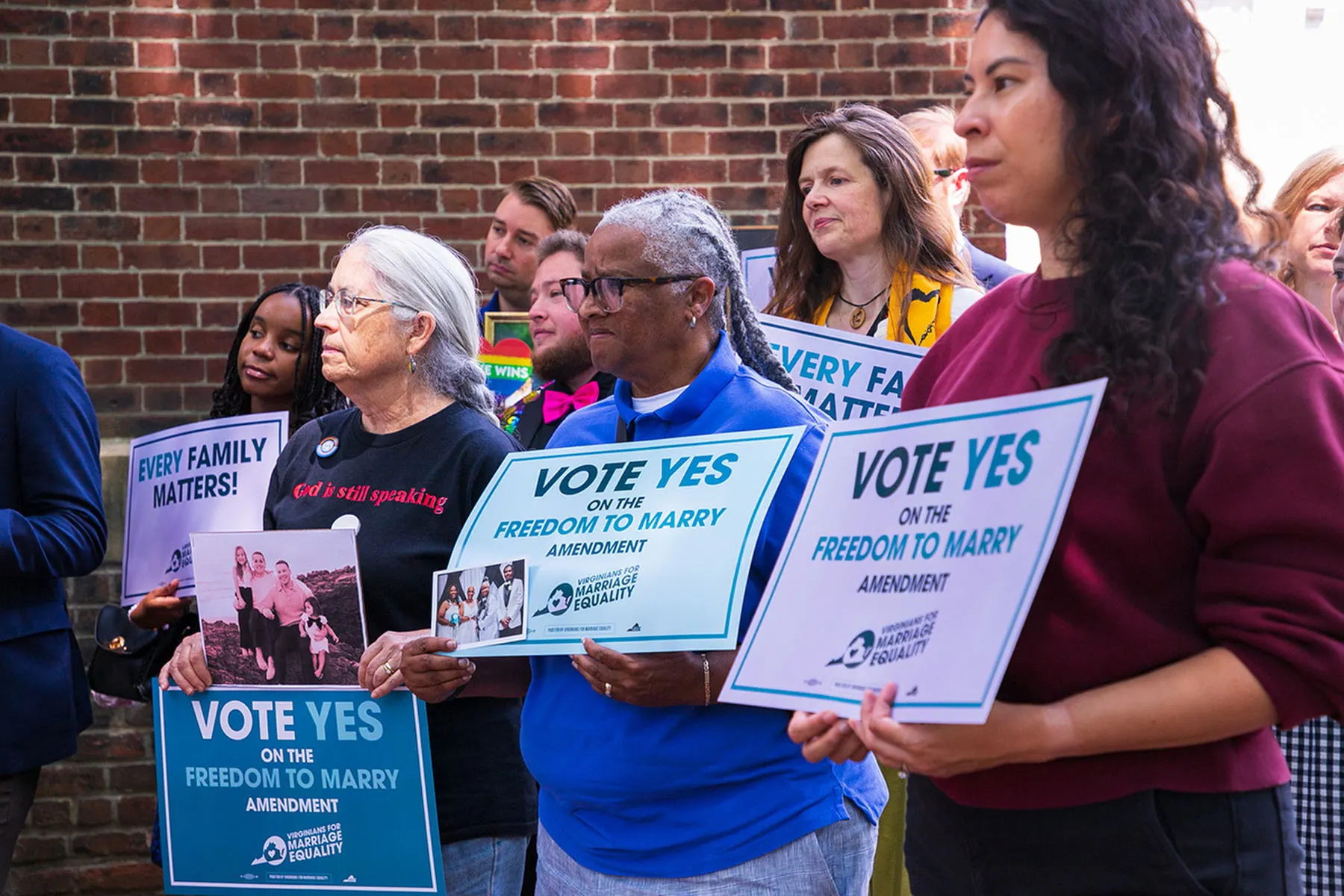
Virginia Voters Approve Constitutional Amendment Repealing Same-Sex Marriage Ban
Virginia voters on Tuesday approved a constitutional amendment officially striking the state’s ban on same-sex marriage, nearly 20...

Utah Voters Reject Amendment B Requiring 60% Threshold for Tax-Raising Ballot Initiatives
Utah voters have delivered a decisive message to the state Legislature: when it comes to raising taxes through...

Plummer declares victory in Harris County Judge race
Nearly 61 percent of Harris County voters chose change on Tuesday night, electing Letitia Plummer as the county's...