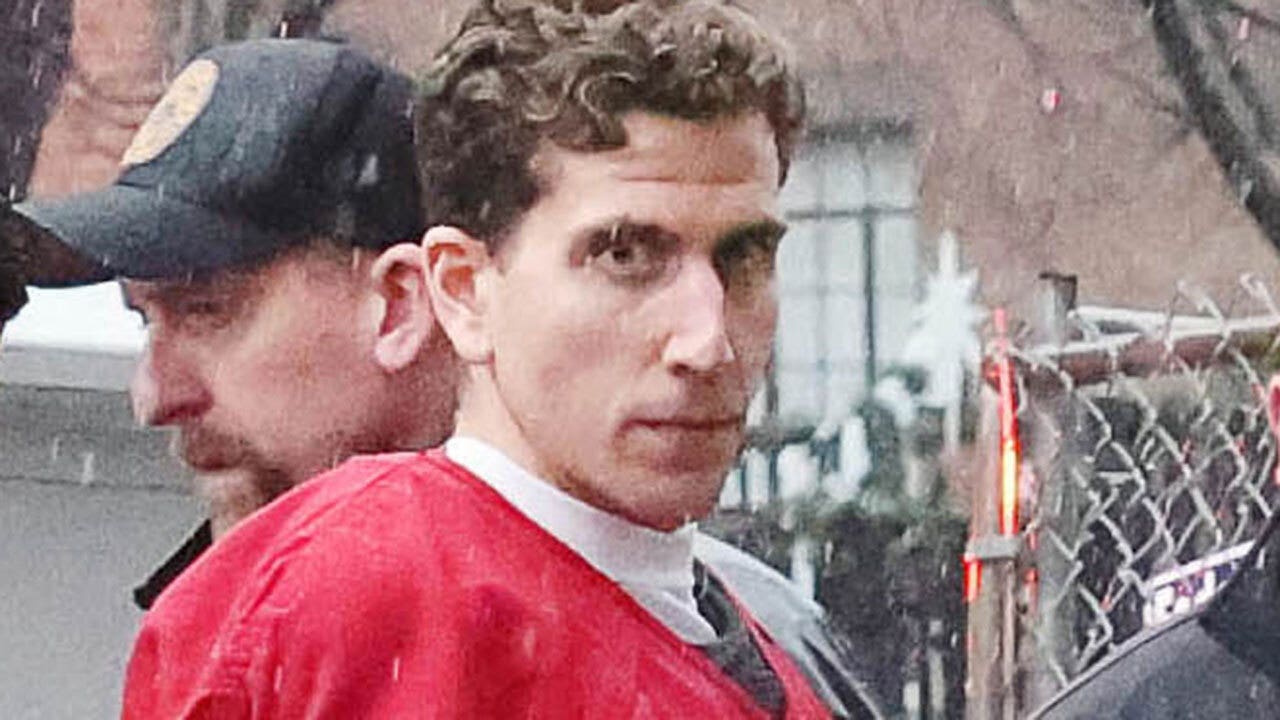
“I worry that even appearing in the background of someone’s photo could lead to more people recognizing me or identifying where I am,” wrote Dylan Mortensen in an affidavit filed with Latah County courts. For the survivor of the November 2022 University of Idaho student massacre, the legal battle over public records has ceased to be a matter of abstract transparency and has become a desperate reach for personal security.
Mortensen, who was present at 1122 King Road when four of her friends were killed, is now asking Judge Megan Marshall to block the release of video and photographic records that could expose her identity. The request, filed last week by her attorney, Robyn McPherson, seeks a stay on an October 20 order that would have compelled the City of Moscow to release documents to an independent media company, EWU Media LLC.
The Human Cost of Public Records Requests
The motion highlights a friction point between the public’s right to access judicial materials and the safety of those caught in the orbit of high-profile crimes. According to the affidavit, the burden of this case has forced Mortensen to move nine times since the tragedy occurred. She now navigates daily life using an alias for deliveries and professional introductions, a stark illustration of how the digital footprint of a public investigation can bleed into the private sphere of a survivor.

Mortensen’s legal team argues that the city attorney failed to provide the withheld records to the judge for a private “in-camera” review before the initial release order was issued. By requesting that the court identify the records and prepare a detailed index, the defense is attempting to determine exactly what images are at stake before they enter the public domain. The core of their argument is that the release of unblurred images constitutes an “unwarranted invasion of personal privacy,” specifically citing the harassment and speculation she has faced for nearly four years.
The Legal Landscape of the Kohberger Case
This latest maneuver arrives during a period of procedural turbulence in the case against Bryan Kohberger. After pleading guilty in July 2025, Kohberger later attempted to withdraw that plea, a development that has kept the legal process in motion. With a hearing scheduled for December 10 regarding his petition for post-conviction relief, the court remains occupied with the proceedings.
The conflict over these specific records began in August 2025, when EWU Media LLC filed a public records request that the city partially denied. While the families of victims Ethan Chapin and Madison Mogen have been involved in the broader litigation, Mortensen’s lawyer noted that their interests do not necessarily align with the specific privacy protections she is seeking. The city attorney has reportedly indicated they do not plan to challenge the judge’s order to disclose the files, leaving the burden of the intervention entirely on Mortensen’s legal counsel.

Anticipating the November 12 Hearing
The court is set to weigh these competing interests on November 12. At the heart of the matter is the precedent set by previous judicial rulings on the privacy of witnesses and survivors. While the public has a legitimate interest in the details of the investigation, the court must balance that against the documented, long-term impact on those who were physically present at the scene.
“People who have never met me have formed opinions about my character, questioned my actions, and accused me of things I had absolutely nothing to do with,” Mortensen wrote in her statement to the court. The outcome of the upcoming hearing will determine if that scrutiny intensifies, or if the court will grant her the anonymity she claims is essential to her safety as she attempts to move forward from the events of 2022.
Related reading
- Boise State vs. Colorado State: How to Watch, Time, and Game Info
- Central Florida Faces heavy rainfall and school closures on Election Day
- Dinkytown Violence Spurs UMN Student Voter Apathy in Hennepin County Attorney Race (archyde.com)
- Lori Vallow Daybell asks Idaho Supreme Court to overturn murder convictions (newsarchyuk.com)

Boise State vs. Colorado State: How to Watch, Time, and Game Info
Boise State University travels to Fort Collins this Friday, November 7, to face Colorado State University at Canvas...

Central Florida Faces heavy rainfall and school closures on Election Day
Central Florida Faces Election Day Deluge November is historically one of the driest months in Central Florida, a...

NY Rangers Reverse Roster Move: Jaroslav Chmelař Recalled, Taylor Raddysh Reassigned
Rangers Reverse Course: Chmelař Returns to New York as Raddysh Heads to Hartford The New York Rangers have...

Four standout dishes define the current Denver food scene
A French Staple and New Denver Flavors The Denver food scene is currently defined by a restless energy,...