
Winter Protections Loom as Central Maine Power Prepares for Heating Pressures
As shorter days and colder temperatures settle, households face the familiar financial squeeze of keeping their homes warm and lit. For customers of Central Maine Power, managing these seasonal expenses requires balancing a critical winter disconnection ban with the reality of building utility balances. Thanks to a state law, Central Maine Power will not disconnect your electricity service from Nov. 15 to April 15, providing a vital safety net for families as home heating demands peak.
Yet utility officials warn that pausing shutoffs does not make the underlying costs disappear. With the high cost of heating oil driving many residents to rely more heavily on electric heat and space heaters, customer service leaders anticipate a surge in winter power consumption. Without proactive budgeting, customers risk accumulating massive overdue balances that will come due immediately when winter protections expire in the spring.
Direct Assistance Programs Remain Underutilized
Managing utility bills during the coldest months often comes down to using support programs that many residents mistakenly overlook. Rhonda Yorks, Central Maine Power’s customer advocate, spends her days meeting with ratepayers to answer account questions and connect them with eligible aid. Her biggest hurdle isn’t the complexity of the applications, but rather the cultural reluctance of customers to accept help.
What I hear a lot is, ‘Somebody else needs that more than I do,’ or ‘That’s not the generation I was brought up in,’ Yorks said.
Yorks stresses that assistance is not a handout. Because all ratepayers contribute to these funds through their regular bills, eligible customers should apply without hesitation. The Maine Department of Energy Resources has published a Winter Heating Guide that outlines several primary avenues of relief available to residents this season.
The Home Energy Assistance Program, funded via federal grants and administered through the Maine State Housing Authority, provides critical relief for heating costs and utility payments. Income limits are structured to assist a broad range of households; for instance, the annual income cap stands at $49,784 for a two-person household and $73,213 for a family of four. Year-round residential customers who qualify can also access the Electricity Lifeline Program, which slices up to $1,200 off annual bills.
For those already carrying past-due balances, the state’s Arrearage Management Program offers a structured path to debt forgiveness. Customers enrolled in HEAP or the Electricity Lifeline Program who hold past-due balances of at least $500—with a portion overdue by 90 days—can see their debt reduced by up to $500 every month they make their current utility payment on time. Over twelve months of consistent payments, an accumulated balance can be entirely wiped clean.
Spread Winter Expenses with Custom Payment Plans
Households sitting slightly above low-income eligibility brackets still have options to smooth out their winter expenses. CMP offers custom payment arrangements ranging from three to 18 months, allowing customers to cover current charges while chipping away at past balances. Alternatively, the SimplePay Budget Plan calculates an average monthly payment based on the past 12 months of usage history, shielding customers from the sticker shock of peak winter bills.

Dustin Wlodkowski, senior manager of corporate communications at CMP, urges customers to make a plan before the worst of the weather hits. Using the autumn months to establish a budget helps prevent households from falling behind before the heavy winter impact materializes on their statements.
To help residents monitor their consumption, CMP provides digital tools including weekly usage alerts, an Energy Manager tracking system, and an Energy Calculator to determine the exact operating costs of household appliances like dehumidifiers and space heaters. Customers seeking direct assistance can reach the call center at 1-800-750-4000.
CMP is also bringing resources directly to communities through scheduled in-person events. Upcoming sessions are set for 1-3 p.m. Thursday at 23 Main St. in Dexter, from 9 a.m. to 1 p.m. Nov. 18 at 22 Town Farm Road in Hallowell and from 9 a.m. to 1 p.m. Nov. 19 at 38 Gold St. in Waterville.
Related reading

Concord Free Public Library Launches Girls Who Code Club
Concord Free Public Library Launches Weekly Girls Who Code Club for Middle Schoolers Middle school students in Concord...

John Hollaway Leads Arleen Rojas in Tight Carson District 4 Race
Carson City Council District 4 Race Stays Tight as Ballots Are Tallied “I have so much passion for...
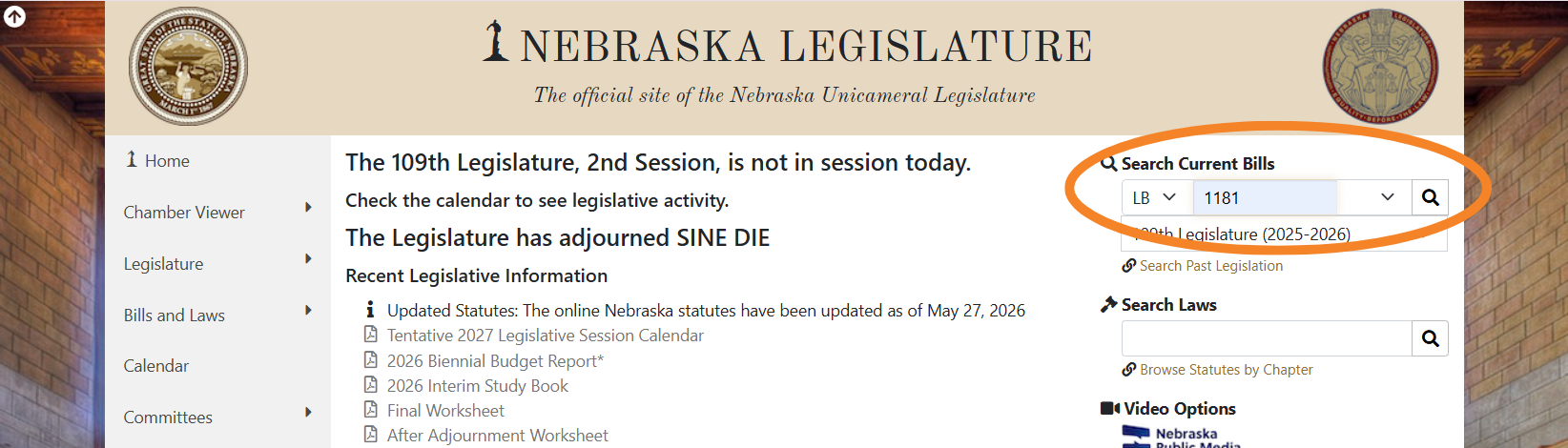
How to Submit Online Comments to the Legislative Record
Submitting online comments for legislative bills offers citizens a direct route to the official record without requiring a...

Montana Grizzlies Dominate Portland State 57-24 at Washington Grizzly Stadium
Montana defeated Portland State 57-24 in Saturday's home game at Washington Grizzly Stadium. By halftime, the Grizzlies had...