
Mississippi Ballot Monitors Blocked From Vote Counting Centers
Natt Offiah spent sixty minutes figuring out that he had gone to the incorrect site to oversee the provisional and absentee ballots for the Mississippi U.S. Senate race. Driving to the Madison County Circuit Clerk’s Office, he found the building under construction. Following a telephone conversation, his colleague and Offiah, who serves as the People’s Advocacy Institute’s director of organizing, eventually arrived at a temporary clerk’s office, only to be sent elsewhere once more.
Their frustrating morning mirrors the experiences of dozens of volunteers across the state who say they did not sign up for chaos and confusion, but to protect the democratic process. With the nation watching a tight contest between Democrat Scott Colom and Republican Cindy Hyde-Smith, grassroots monitors report being shut out of vote-counting rooms, facing locked doors, and struggling to secure basic scheduling information.
As of Nov. 6, Colom leads Hyde-Smith by over 2,500 votes. Yet thousands of mail-in and affidavit ballots remain outstanding, leaving campaigns and voters on edge while legal teams prepare for potential court battles.
The Mechanics of Absentee and Affidavit Delays
New state voting rules have significantly complicated both turnout and post-election monitoring. Mississippi lacks early voting and online registration, forcing nearly all eligible citizens to cast their ballots in person between 7 a.m. and 7 p.m. on Election Day. This concentrated window places an immense strain on local precincts.
Adding to the friction, the Mississippi secretary of state’s office spent $50,000 prior to the election to clean voter rolls using unverified data from credit bureau Experian. Secretary of State Michael Watson told Mississippi Today that the rollout was “wildly successful,” but the move resulted in thousands of Mississippians being shifted to inactive status.
Voters like Rachel Madden in DeSoto County discovered this status change only after waiting in line on Election Day. Told her name was missing from the system, Madden was forced to cast an affidavit ballot and make a 25-minute drive to the courthouse to cure her status. Even after correcting her voter card, she was informed by an employee that the office would take no more calls regarding affidavit ballots for the next 10 days—a timeframe that threatened to push her past the mandatory Nov. 10 curing deadline.
Observer Access Blocked Behind Closed Doors
According to state law, citizens have a legal right to attend the ballot-counting procedure where election commissioners declare whether affidavit ballots are accepted or denied. However, this rule does not cover the preliminary eligibility work conducted by commissioners, creating a process that monitors say is not uniform, with some counties conducting a closed door process.

In DeSoto County, local organizer Kelly Jacobs said District 4 Election Commissioner Sissie Ferguson prevented her from watching election officials presort ballots and check names. When Jacobs returned the day after the election, she found the office had relocated. After tracking officials down with the help of local law enforcement, she was barred from entry until she called an attorney.
“Why did I have to go and complain? If not for my complaint, they would still be all locked up. There’s five election commissioners. Why would none of them know the open meetings law?”
— Kelly Jacobs, local organizer
Commissioner Ferguson did not respond to Capital B’s request for comment. However, District 1 Election Commissioner Laura Edler maintained that no one had been denied access, noting that by the afternoon of Nov. 6, a room full of people was actively watching the process.
Legal Crossfire Across 82 Counties
While grassroots volunteers push for visibility, formal legal pressure is mounting from both campaigns. Representatives for Hyde-Smith dispatched a formal request asking election commissioners for the “immediate separation, secure custody and preservation of all affidavit ballots.” Colom’s legal team answered this by issuing a directive to all 82 counties that labeled the Republican senator’s demand illegal.
The NAACP has deployed national legal, policy, and field staff to Mississippi to ensure every vote is counted, while the ACLU of Mississippi has dispatched attorneys to monitor closed-door proceedings.
“It is appalling the number of issues that we’ve seen and we had on Election Day, and now we’re seeing the extension of that post-Election Day in a way that is not great,” said Lydia Grizzell, policy and advocacy manager of the ACLU of Mississippi. “The best thing that we can do is have people watching, witnessing, and doing their best to gather as much information as possible as to what is happening.”
With affidavit and mail-in ballots facing a strict Nov. 10 deadline to be cured, the remaining hours will test whether transparency measures can catch up to the mounting pile of contested votes.
Related reading

LaNorris Sellers Leads No. 23 South Carolina Past Texas A&M 17-9
South Carolina Extends Win Streak No. 23 South Carolina secured its fourth straight victory on Saturday, outlasting Texas...

Nashville SC breaks MLS regular season points record over Messi’s Miami
No one in the history of Major League Soccer has ever put together a regular season quite like...

Fargo, Waterloo and Cedar Rapids Tie for USHL Lead at 24 Points
Three Teams Share the Summit at 24 Points The United States Hockey League reached a crowded crossroad Saturday...
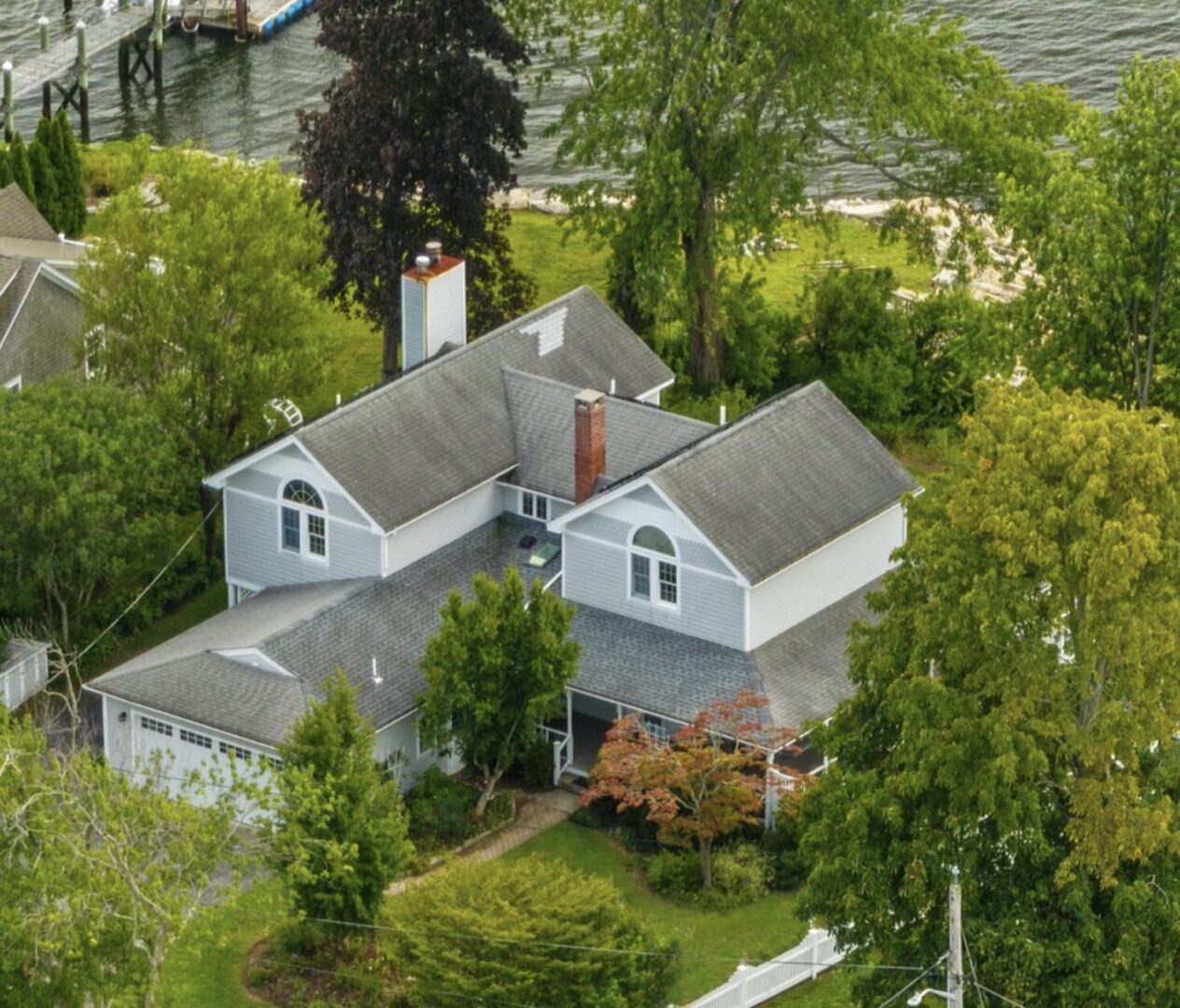
This Victorian cottage is on charming Narragansett Terrace, with spectacular western views over
Historic Riverside Waterfront Property Sells for $1.35 Million in East Providence “This Victorian cottage is on charming Narragansett...