
Jim Garfield faces a $5,000 additional cost due to the university's donation-based seat selection process during the Memorial Stadium renovation.
For Jim Garfield, the upcoming renovation of Memorial Stadium isn’t just about concrete and steel—it’s about the potential end of a 36-year tradition.
As the University of Nebraska moves forward with its “Big Red Rebuild,” longtime season ticket holders are finding that their tenure in the stands offers no security in the new seating map.
Garfield, who spoke with KMTV 3 News Now Omaha, is facing a $5,000 additional cost as part of the university’s donation-based seat selection process. Even with that financial commitment, there is no guarantee he will retain the specific seats he has occupied for over three decades. With a decision deadline of February 11, he remains skeptical, noting that he will likely move to individual game tickets if his current spot isn’t secured.
The anxiety surrounding the seat selection process extends well beyond ticket prices. For many, the seats themselves act as a physical connection to family history. Alison North, a resident of York, told KOLN that her family has held season tickets on the stadium’s south side since 1965. Her father, Bob Graham, originally purchased the seats, and they became a foundational part of her family’s life until his passing in 2022.
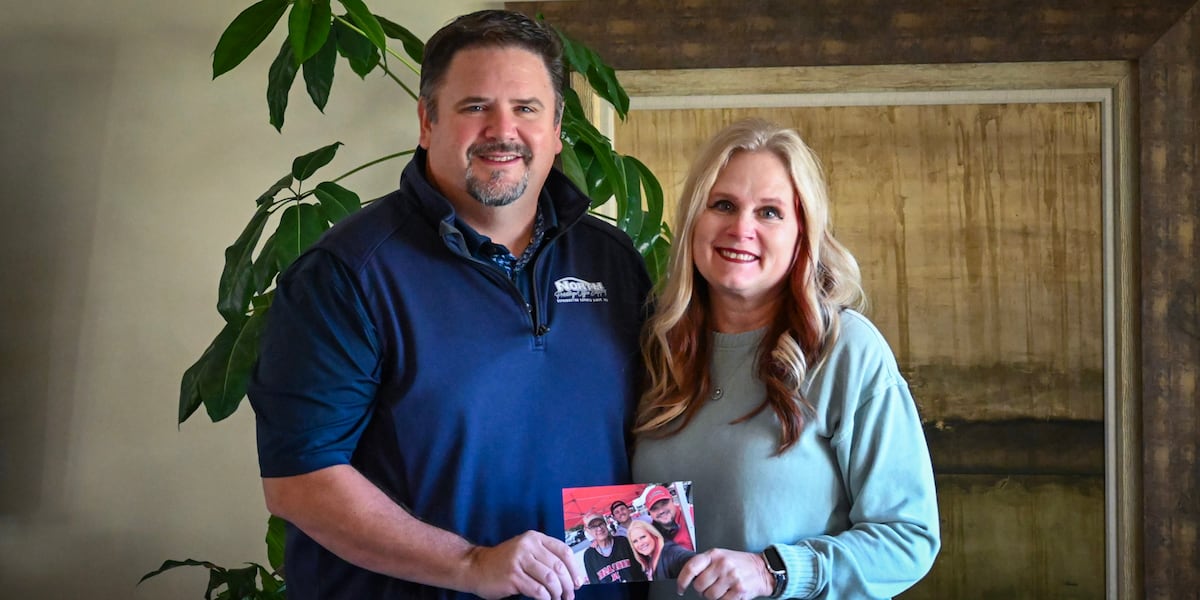
“It’s sitting with my dad, having these memories with my father, because now that’s all I have of my dad is my memories, said North.”
North and her husband, Tony, had hoped to pass the tradition down to their children and grandchildren. Instead, they are left facing the reality that the family’s routine—the same gate, the same stairs, and the same tunnel—will come to an end following the game on November 21.
“The generational, the memories that we’ve had in those seats and that her whole family’s had in those seats is now over,” Tony North told KOLN. “And so it’s just, that’s a little hard to swallow.”
The university’s plan requires all season ticket holders to participate in a new selection process in 2027 due to a reduction in stadium capacity. Following the completion of the project, fans will be required to select their seats once again in 2028. This transition is governed by a “Priority seating contribution” model, which ties access to annual donations made to the university.
While some fans acknowledge the necessity of the renovations, there is a clear tension between the push for modernization and the preservation of fan loyalty. Jason Casson, another longtime attendee, expressed support for the project while suggesting that the university should find a way to honor the legacy of those who have held their spots since the 1960s.
For fans like Garfield, the loss is social as much as it is structural. He pointed to the friendships formed over decades of shared games, noting that he has even exchanged Christmas cards with the people sitting in his row. “I’m sad about the relationships that, I’ll probably never see these people again,” Garfield told KMTV 3 News Now Omaha.
As construction continues on the multimillion-dollar project, the university has maintained that the reseating process is a necessary component of the stadium’s future. For now, the final games of the season serve as a farewell to a specific era of Husker history, leaving many families to reconcile the change with the memories they hold of their time inside the stadium.
Keep reading
Tennessee Fans Throw Golf Balls, Trash Onto Field Late in 4th Quarter
Tennessee fans threw golf balls, mustard bottles, and trash onto the field at Neyland Stadium on Nov. 21,...

Mamdani Announces Disbanding NYPD Strategic Response Group on Nov 16
New York City Mayor Zohran Mamdani announced on November 16 that he is disbanding the NYPD’s Strategic Response...

University of Kentucky Opens New $27M Environmental Quality Management Center
The University of Kentucky opened its new $27 million Environmental Quality Management Center (EQMC) on Nov. 17, 2026,...

Bill Sniffin Reflects on Gratitude of Residents in Small Wyoming Towns
In a recent column for Cowboy State Daily, Bill Sniffin reflects on the evolution of his perspective regarding...