
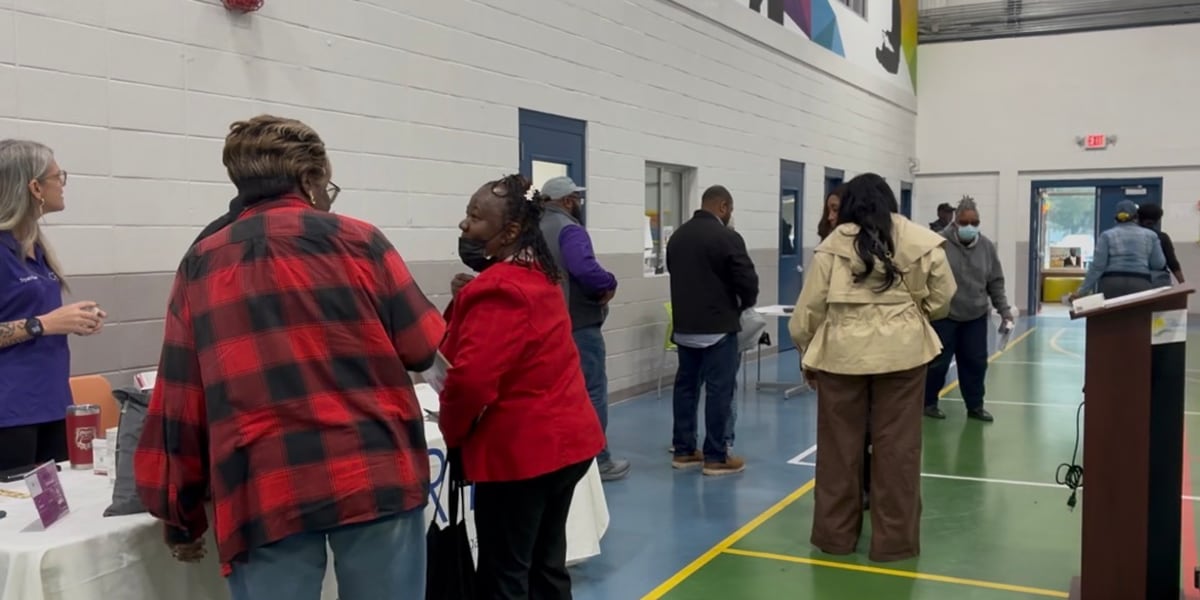
Community leaders gathered in Albany on November 21 to address the ongoing impact of fentanyl and opioid misuse on local families.
The town hall, titled “A Community Conversation on Drugs and Overdose,” was led by Ward 1 Commissioner Jon Howard and Dougherty County Coroner Michael Fowler, according to reporting from WALB.
The event, hosted under the theme “Your Community – Your Health – Our Collective Responsibility,” aimed to connect residents with mental health support and recovery resources. While the forum provided a space for public dialogue, specific quantitative overdose or treatment figures for Dougherty County were not presented during the session.
The discussion comes as local officials seek new strategies to combat the prevalence of substances like fentanyl, hydrocodone, and oxycodone. Despite the severity of the crisis, there are positive signs in the regional data. Dougherty County has recorded a 74% decrease in overdose deaths from its peak period through 2025, according to data tracked by the Centers for Disease Control and Prevention.
Coroner Michael Fowler emphasized that despite these improvements, the community must remain vigilant. “We got to save our community,” Fowler told WALB.
“We got to do whatever it takes to be able to help our children and grandchildren not to get on this epidemic. Once it’s in your system, it’s hard to get rid of it, so the main thing is trying to capture them while they’re not on it and try to help them not to go down that road.”
Advocates participating in the forum highlighted the importance of normalizing conversations around addiction to encourage those in need to seek help. Trysh Fleuren, a team lead with Community Overdose Response and Engagement (CORE), stressed that seeing the people behind the recovery services is essential for building trust, particularly within the Black community.
“We have to be out and we have to do these community events, so that way, it’s normalized. It’s okay and we’re not afraid to come and say ‘Hey, I need help.’”
Fleuren told WALB that organizations like CORE and Aspire Behavioral Health provide vital support services, ranging from crisis intervention to assistance with food, clothing, and housing. These resources are intended to offer a safety net for families before a crisis occurs.
The town hall served as a direct channel between residents and local government. By hosting an open forum, officials like Commissioner Howard and Coroner Fowler aim to ensure that residents know exactly where to turn when faced with the challenges of addiction.
For families dealing with the complexities of the opioid crisis, early access to these local support networks can be the difference between a crisis and a path to recovery.
Located in the southwestern portion of Georgia, Dougherty County was created by the state’s General Assembly on December 15, 1853. Spanning 335 square miles, the area is historically recognized for its role in nineteenth-century cotton plantation agriculture and as a significant center for the Civil Rights Movement during the early 1960s. As of the 2020 census, the county reached a population of 85,790 residents.
As the community looks forward, the emphasis remains on collective responsibility. Local leaders indicated that they will continue to explore new ways to address the impact of drugs on the area, ensuring that the progress made since 2025 is sustained through active community engagement and available professional support.
Related reading

Alaska Reveals Grizzlies and Wilderness Via Rail and Road
Travelers exploring the Alaskan interior encounter a vast, shifting landscape marked by 3 million lakes and more than...

Cignetti Points to Mistakes in Indiana’s Overtime Defeat to Washington
On November 21, 2026, sixth-ranked Indiana suffered a 27-24 overtime defeat against Washington in Seattle, dealing a severe...

Bridgeport Covered Bridge California Historic Landmark South Yuba River State Park
Spanning the South Fork of the Yuba River in Nevada County, California, the Bridgeport Covered Bridge reaches an...

MN Mugshot Records Accessible via State Laws for Public Access
Minnesota public arrest records and booking photographs remain accessible to researchers, journalists, and citizens through a unified database...