
In a recent column for Cowboy State Daily, Bill Sniffin reflects on the evolution of his perspective regarding Wyoming’s smaller, less-scenic municipalities.
Writing during the week of Thanksgiving, Sniffin recounts a 2002 campaign visit to a town defined by relentless winds and vast stretches of sagebrush, where he was struck by the genuine gratitude residents expressed for their home.
That encounter changed the author's thinking; he admitted at the time he viewed such mountains through the lens of a "mountain paradise" resident. He says that the experience forced him to engage with the hopes and dreams of people in every corner of the state, ultimately tempering his own initial biases toward what he refers to as the “Big Empty.”
The author's later documentation of the state's full scope confirms this change in outlook. Between 2012 and 2016, Sniffin produced three coffee-table books totaling 500 pages, intentionally bypassing the high-traffic areas of Yellowstone and Jackson Hole to highlight the diverse character of lesser-known Wyoming communities.

For those living in rural areas, the perspective offered by Sniffin highlights the vital role of local identity. He argues that while the state presents inherent challenges—ranging from high altitude to harsh winter weather—the value of these outposts is derived from the people and the unique, small-scale connections that define their daily lives.
Beyond his writing, Sniffin identifies two major institutional contributions to the state in which he has participated over the last two decades: the development of Wyoming Catholic College and the growth of Cowboy State Daily. The college, based in Lander, has expanded its reach to students from more than 35 states, with over 100 graduates opting to remain in Wyoming. Meanwhile, the news outlet has grown substantially.
“In 2020, it had fewer than 1,000 subscribers. Today, it has 118,000 daily subscribers and has become the primary news source in Wyoming, Sniffin wrote.”
The reflection also serves as a personal inventory of gratitude. Sniffin acknowledges the influence of his mother, who steered him toward journalism despite his father’s preference that he operate gas stations, and his first editor, Dick Gilbert, who 62 years ago told him to go visit the high school with some photographs for the editor of the yearbook—an assignment that eventually led him to meet his wife.
He describes these milestones as foundational to a life he remains thankful for as he looks back on his career.
The author’s account suggests that an appreciation for one’s surroundings is not necessarily tied to aesthetic grandeur but to the personal history and community ties built over time.
By moving away from his earlier, more critical view of the state's terrain, Sniffin frames the "Cowboy State" not as a collection of scenic vistas, but as a network of homes where geographic challenges are balanced by the fervor of those who choose to stay.

Alaska Reveals Grizzlies and Wilderness Via Rail and Road
Travelers exploring the Alaskan interior encounter a vast, shifting landscape marked by 3 million lakes and more than...
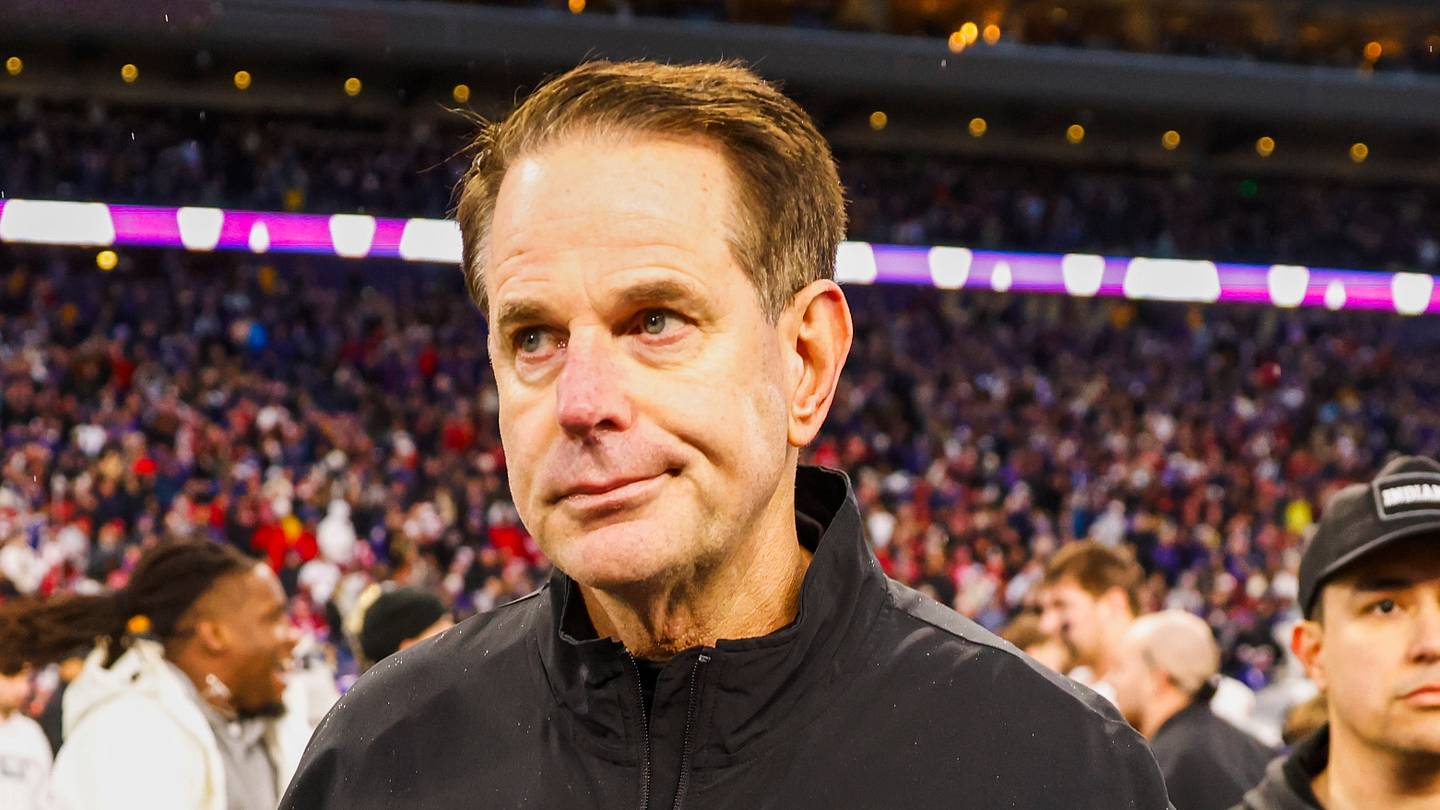
Cignetti Points to Mistakes in Indiana’s Overtime Defeat to Washington
On November 21, 2026, sixth-ranked Indiana suffered a 27-24 overtime defeat against Washington in Seattle, dealing a severe...

Bridgeport Covered Bridge California Historic Landmark South Yuba River State Park
Spanning the South Fork of the Yuba River in Nevada County, California, the Bridgeport Covered Bridge reaches an...

MN Mugshot Records Accessible via State Laws for Public Access
Minnesota public arrest records and booking photographs remain accessible to researchers, journalists, and citizens through a unified database...