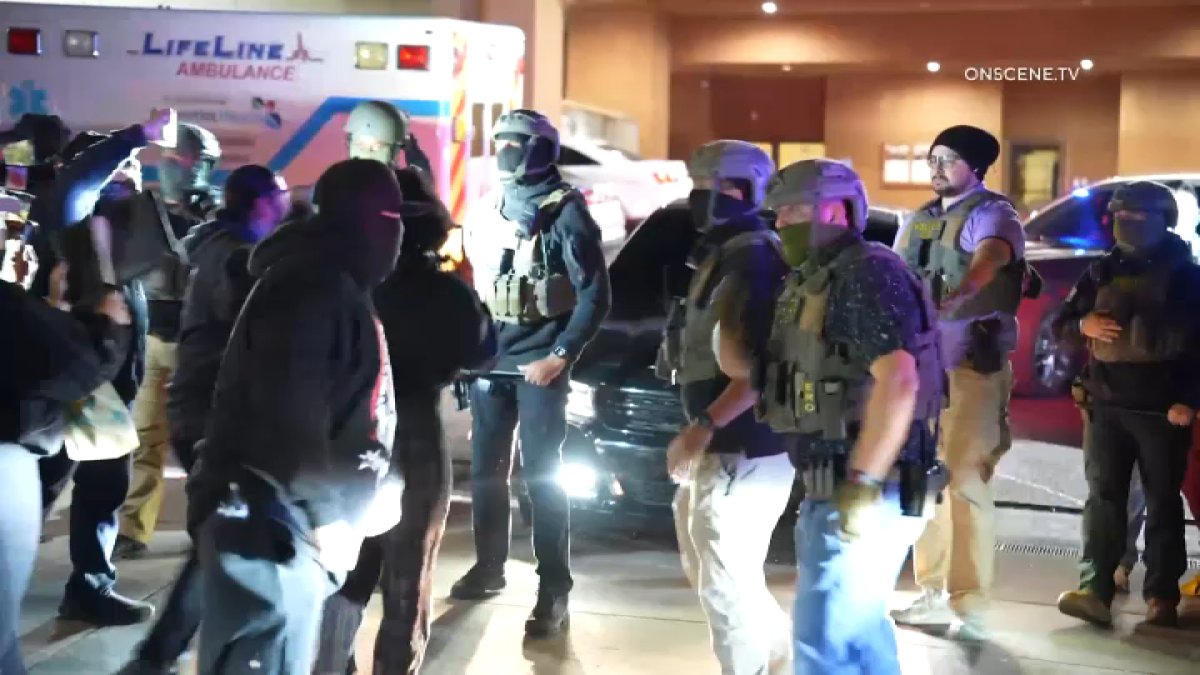
Federal Agents Block Emergency Entrance at Boyle Heights Hospital
A tense overnight standoff at Adventist Health White Memorial Medical Center in Boyle Heights has ignited a fierce community and political firestorm. Early Saturday, federal immigration agents arrived at the facility with an individual in custody who required emergency medical care, but the operation quickly escalated when agents formed a physical line across the hospital’s ambulance entrance. According to NBC Los Angeles, this blockade forced the hospital to divert incoming ambulances to nearby facilities for approximately two hours.
Every Angeleno should be able to get medical care without worrying about being deported and torn from their loved ones. Angelenos should not have to live in fear. ICE has no place in Los Angeles.
The incident has drawn sharp condemnation from local leaders, including Los Angeles Mayor Karen Bass, who criticized the federal presence as a disruption to critical healthcare services. While the Department of Homeland Security maintains that it does not target hospitals, schools, or churches, the sight of agents sealing off an emergency bay in a densely populated neighborhood has prompted questions about the coordination between federal authorities and local healthcare institutions.
The Hospital’s Response and Operational Protocol
Hospital president Daniel Fontoura stated that the facility did not request or authorize the presence of the agents at the ambulance entrance. In a public statement, Fontoura emphasized that Adventist Health White Memorial serves as a place of healing regardless of immigration status. He noted that the hospital took the step of calling the Los Angeles Police Department (LAPD) to help manage the situation when the blockade prevented access for emergency vehicles.

The LAPD confirmed that its officers responded to the scene to maintain public safety, clarifying that they did not assist in any immigration enforcement activities. According to ABC7, Fontoura told demonstrators gathered at the hospital on Saturday that staff had successfully denied requests from federal agents to enter rooms during physician-patient consultations, citing the sanctity of the medical encounter.
Political Fallout and Community Tensions
The presence of ICE agents triggered a demonstration that saw community members and local officials gather at the hospital to demand transparency. State Senator Maria Elena Durazo and Councilmember Ysabel Jurado have both publicly called on the hospital to disclose any existing agreements it may have with Immigration and Customs Enforcement. Councilmember Jurado, who represents Boyle Heights, expressed that residents must be able to seek medical care without the fear of encountering immigration enforcement.
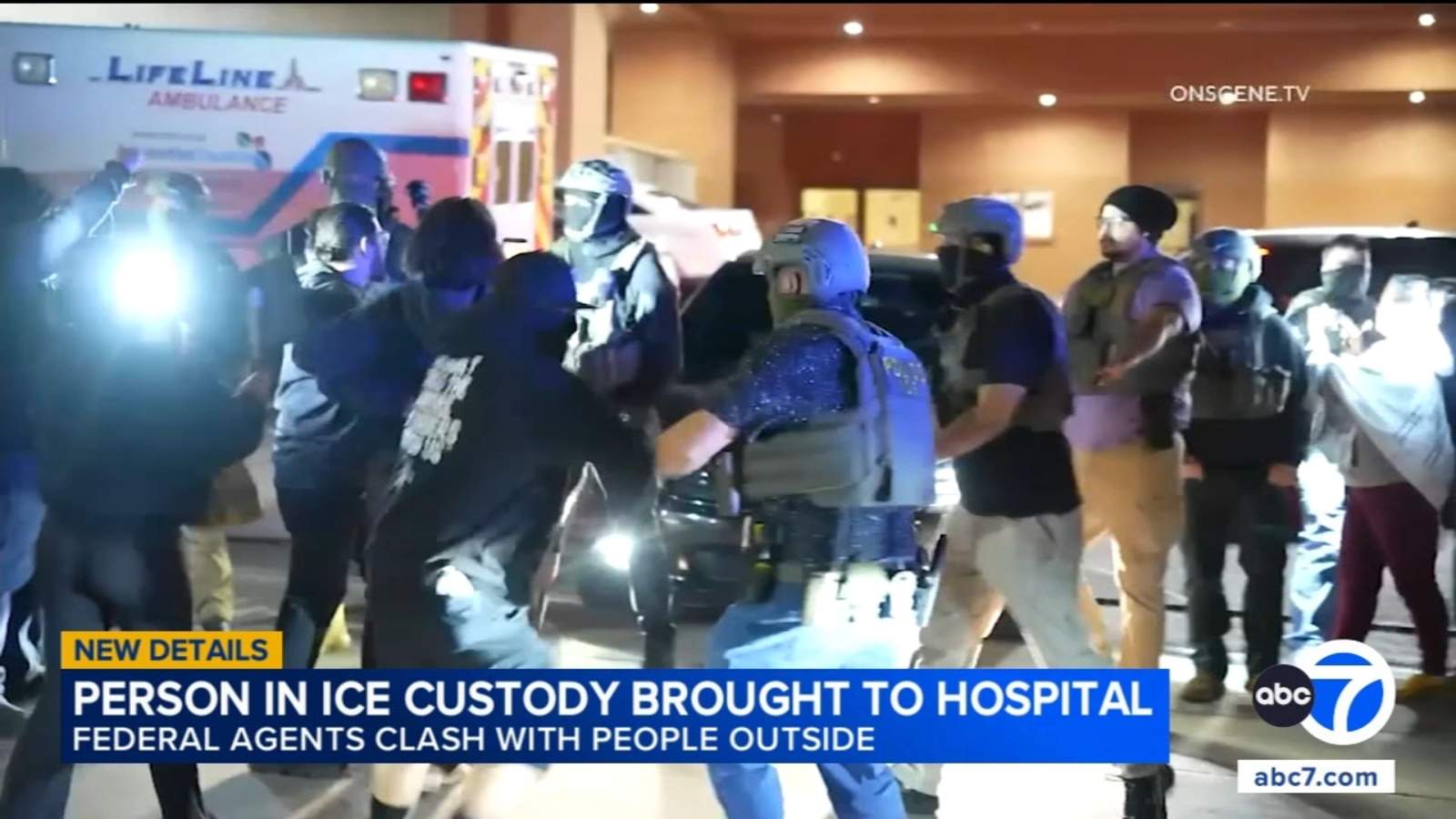
The situation turned confrontational as protesters faced off against federal agents. Reports from ABC7 indicate that a teenage girl received assistance after being pepper-sprayed during the demonstration. First Assistant U.S. Attorney Bill Essayli stated on social media that two U.S. citizens were arrested and charged with assaulting a federal officer during the incident. Essayli maintained that the agents were present solely to facilitate medical care for a detainee who requested a doctor.
Conflicting Narratives on Enforcement
The Department of Homeland Security issued a statement defending its agents, characterizing the criticism as a “false narrative” intended to demonize law enforcement. The agency highlighted that its officers are tasked with upholding the rule of law and that they face increasing threats, including a 1,600% increase in assaults against them. They further stated that they operate under the authority of 8 USC 1357, which allows for lawful arrests.
The legal landscape in California adds another layer of complexity to the event. While federal law allows ICE access to public areas like hospital parking lots, state law—specifically Senate Bill 81—prohibits immigration agents from accessing private areas, such as patient rooms, without a warrant or court order. The standoff at White Memorial serves as a high-stakes test of these boundaries, leaving residents and hospital staff caught in the middle of a national debate over the intersection of immigration enforcement and public health.
As the community looks for answers, the incident highlights the deep-seated fear among immigrant populations regarding access to essential services. For the families of Boyle Heights, the hospital remains a critical, and often sole, point of contact for emergency care, making the intersection of federal law enforcement and medical access a flashpoint for the city’s civic life.
Related reading
Missing 2-Week-Old Infant Found Safe After Mother Fled Sun City Medical Center
Missing Two-Week-Old Infant Located in Sun City A two-week-old infant who disappeared after his mother left a Sun...

Valdosta State holds off North Greenville 49-33 in victory
Valdosta State Secures 49-33 Victory Over North Greenville No. 17 Valdosta State maintained control at Bazemore-Hyder Stadium on...

Taruwar Agro Scales banana waste into Rs 2.5 crore revenue Stream
The transition from agricultural byproduct to commercial asset is rarely a linear path, but three MBA graduates in...

SC Mother Charged With Homicide After Infant Found Dead From Starvation
Homicide Charge Filed Following Death of 11-Month-Old in North Charleston Janette Clayton, 27, now faces a charge of...