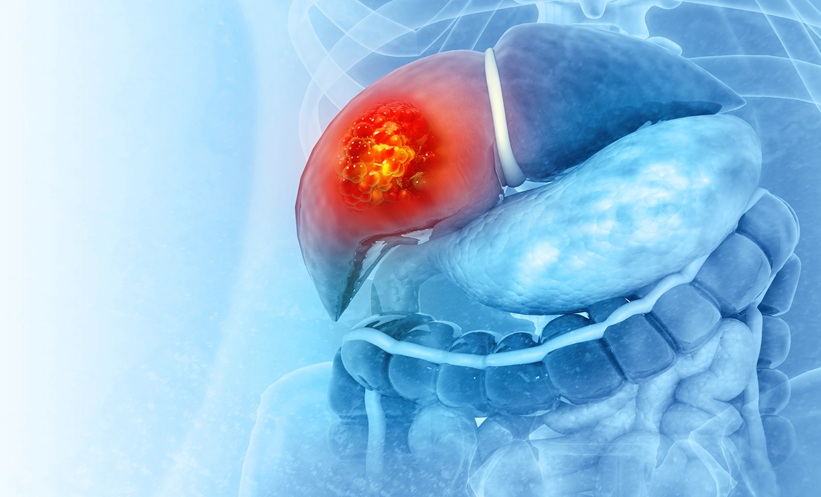
MRI-Based Models Outperform Traditional Staging for Predicting Liver Cancer Recurrence
For patients navigating the aftermath of a curative-intent resection for hepatocellular carcinoma (HCC), the first year following surgery is often defined by a quiet, persistent anxiety regarding recurrence. Researchers have developed two MRI-based prediction models that significantly improve the ability to identify which patients are at a higher risk of early recurrence compared to existing prognostic systems.
The research, which examined 1,851 patients across 14 hospitals, marks a shift toward integrating high-resolution imaging with clinical data to refine post-surgical management. According to the study, these models—collectively termed MRI for Very Early Recurrence Prediction (MERP)—were designed to provide a more granular look at tumour biology than traditional staging methods currently used in clinical practice.
The Mechanics of the MERP Models
The researchers developed two distinct tools: MERP-pre, which is used before surgery, and MERP-post, which incorporates findings observed after the procedure. The preoperative model relies on serum alpha-fetoprotein (AFP) levels, tumour size, and specific imaging markers like portal venous phase peritumoral hypoenhancement and the presence of intratumoral blood products.
The postoperative model, MERP-post, retains the AFP and imaging markers but adds a critical variable: microvascular invasion. When tested against established prognostic systems and the IMbrave050 criteria, the MERP models demonstrated superior performance. The concordance indices for the new models ranged from 0.685 to 0.790, notably higher than the 0.524 to 0.682 range observed in the systems currently used to guide patient care.
Biological Insights from Imaging
Beyond predictive accuracy, the study provides a window into the underlying biology of these tumours. By utilizing whole-exome and RNA sequencing, the team identified that tumours categorized as low risk by the MERP models often exhibited features consistent with a non-proliferative class. These tumours also showed increased lipid catabolism and an immunoactive tumour microenvironment, potentially explaining why some patients fare better than others despite similar clinical presentations.
While the results are promising, the researchers emphasized a necessary boundary for these findings. The study focused exclusively on patients undergoing surgical resection for Barcelona Clinic Liver Cancer (BCLC) stage 0/A HCC. The authors noted that these models cannot be extrapolated to the broader population of BCLC 0/A patients who undergo non-surgical treatments.
Context and Clinical Reality
The push for more sophisticated diagnostic tools in oncology is not new, yet the integration of imaging-based models into standard clinical workflows remains a logistical hurdle for many institutions. While the data suggests that these models could help clinicians tailor post-surgical monitoring, the transition from retrospective cohort study to bedside application requires further validation.

In a separate context, the broader scientific community continues to explore how biological observation informs medical intervention. For instance, researchers like Dr. Elodie Freymann have highlighted how observing complex behaviors in primates can provide insights into how species manage health and injury, a reminder that the quest to solve biological puzzles—whether through advanced MRI modeling or behavioral studies—remains a cornerstone of medical discovery.
For the thousands of patients diagnosed with early-stage HCC, the difference between standard staging and these newer, more sensitive models could eventually dictate the frequency of their follow-up scans and the intensity of their surveillance. As of November 2026, the medical community continues to refine how imaging technology can be leveraged to move past generalized risk assessments toward personalized management strategies.
Keep reading
How Fasting and Gut Bacteria Protect Intestines From Radiation Damage
A 24-Hour Fast Triggers Gut Repair After Radiation Exposure A 24-hour fast may do more than just change...

LG and Samsung OLED TVs See Major Early Black Friday Price Cuts on Amazon
Shopping season brings deep price cuts on home theater equipment ahead of the holidays, with major retailers dropping...
SADC malaria efforts face funding cuts and climate shocks
Malaria control and elimination efforts across the Southern African Development Community face a critical turning point as climate...

Civil Engineer Alleges Age Discrimination in Job Market Search
Fifty applications sent over twelve months yielded a total response of zero, leaving a certified civil engineer to...