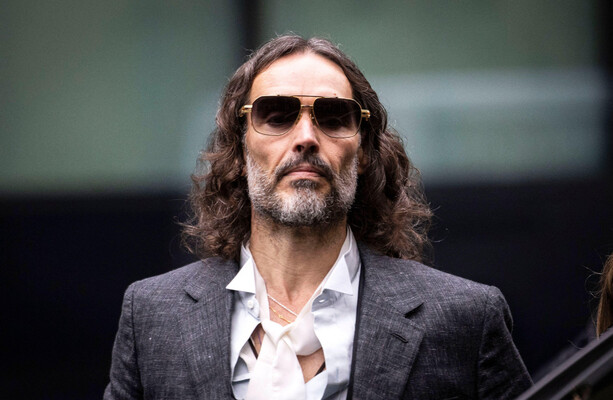
The Fall of Russell Brand: A Verdict at Southwark Crown Court
The cultural trajectory of Russell Brand, once a ubiquitously loud fixture of British television and Hollywood cinema, reached a definitive, somber conclusion this past Thursday. At Southwark Crown Court in London, a jury found the 51-year-old guilty of one count of rape and three counts of sexual assault. As reported by The Journal, the conviction marks the end of a long-standing public investigation into the former broadcaster’s conduct, replacing years of celebrity maneuvering with the stark finality of a criminal record.
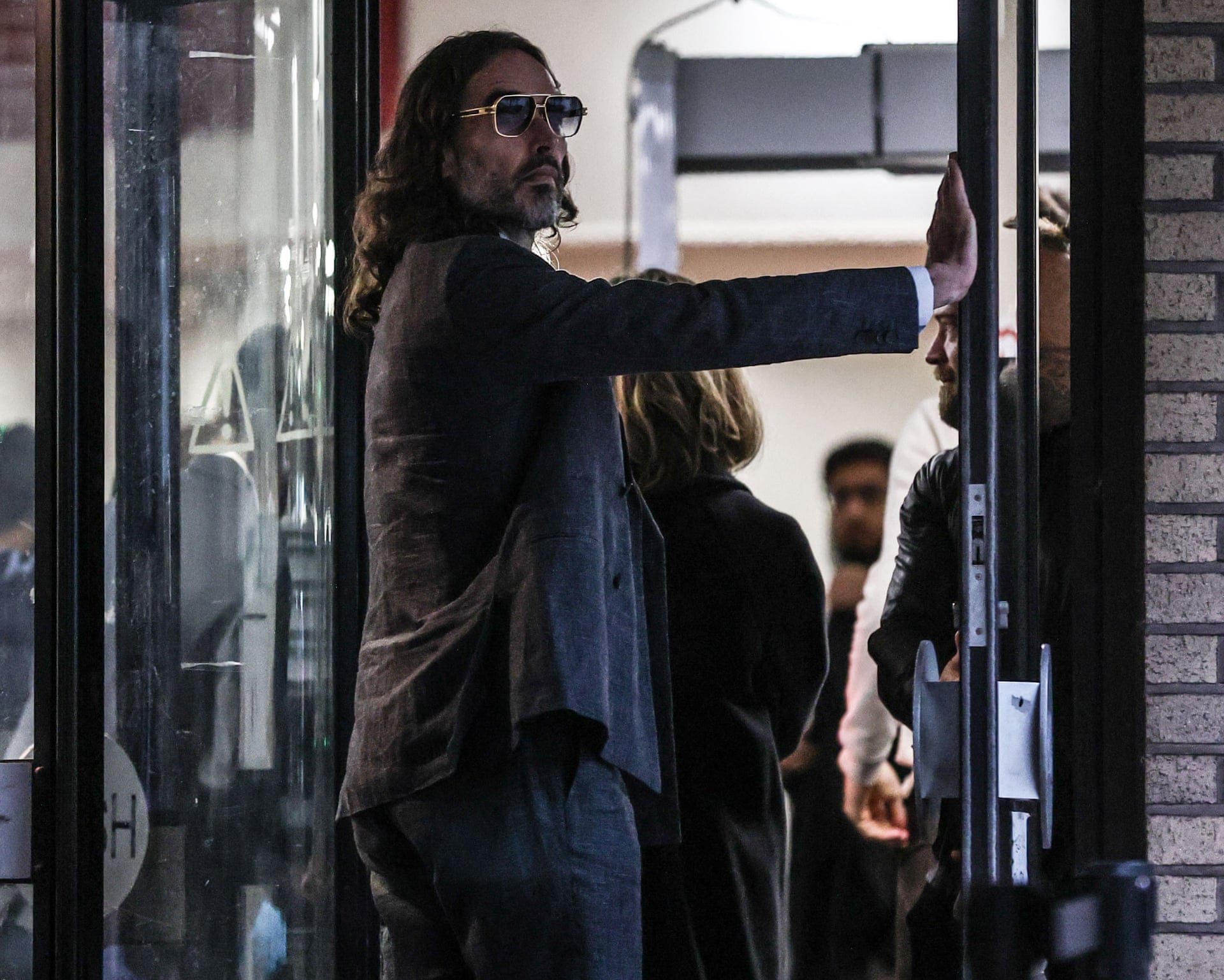
The legal proceedings, which spanned several days, culminated in a verdict that will see Brand serve what the court described as a significant custodial term. Prosecutors presented a narrative of a man who, despite his public persona of charm and radical eccentricity, operated with a calculated disregard for the autonomy of the women he encountered. Lead prosecutor Riel Karmy-Jones argued that Brand was ruthless and manipulative, noting a distinct “flavour of disdain” in his testimony—a sentiment that mirrored the patterns of behavior described by his victims, RTE.ie reported.
A Pattern of Manipulation Exposed
The evidence brought before the jury detailed a history of abuse that extended far beyond the immediate charges. According to RTE.ie, police interviews conducted between 2023 and 2025 revealed that Brand consistently denied allegations of non-consensual sex, even while acknowledging a “very promiscuous life.” One particularly harrowing account from a July 2025 police interview involved a victim who alleged that Brand removed a condom without her consent during a sexual encounter at his home, subsequently forcing her to clean the scene. Prosecutors highlighted that Brand, during his time in the industry, treated women as objects to be used for his own satisfaction.

The systemic environment that allowed this behavior to persist for decades was a central theme in the aftermath of the trial. Writing for The Guardian, Sarah Solemani observed that for many in the comedy community, Brand’s predatory nature was an open secret. She noted that his transgressions were frequently followed by professional promotion, a phenomenon fueled by a media landscape that prioritized “edgy” or “louche” talent over ethical workplace standards. This normalization was corroborated by Brand’s former personal assistant, Helen Berger, who testified that he would interrupt work on critical deadlines to demand sex, an impulse treated with a disturbing level of tolerance by those in his professional orbit, as detailed by the Irish Examiner.
The Cost of Celebrity Immunity
Brand’s career was built on a foundation of boundary-pushing, from his rise on the UK comedy circuit to starring roles in major studio films like Get Him to the Greek and Arthur. For years, the industry’s hunger for his specific brand of chaotic charisma shielded him from accountability. Even after the 2023 Dispatches documentary Russell Brand: In Plain Sight brought these allegations into the mainstream, Brand transitioned into a new, populist niche on the Florida-based political circuit, attempting to rebrand himself as a religious and political firebrand.
However, the legal system has proven less porous than the media landscape. The conviction serves as a stark reminder of the limitations of “celebrity immunity.” As the Irish Examiner noted, the case serves as a victory for those who were told their “no” did not matter, highlighting the immense effort required for survivors to navigate a system that often favors the accused. Despite the guilty verdict, the legal process is not yet concluded. Authorities have confirmed that Brand remains under investigation for two additional rape complaints, ensuring that the shadow of these proceedings will follow him into his incarceration.
The Unanswered Questions of the Comedy Circuit
While the jury has delivered justice for the four women involved in this trial, the broader culture of comedy remains under scrutiny. Industry insiders have pointed to a wider ecosystem of abusers who continue to operate in plain sight, protected by the same power dynamics that sustained Brand for so long. The reliance on informal networks of warnings among comedians—rather than formal reporting structures—suggests that the industry still lacks the necessary mechanisms to protect vulnerable talent from predation.
As Brand prepares to serve his sentence, the industry is left to grapple with the realization that his professional rise was facilitated by a complicit silence. The question remains: how many others, shielded by the same corporate tolerance and the “he said v she said” impasse, are still working on sets today? For now, the courtroom has provided the only definitive answer the public has received in years, effectively ending the career of a man who once seemed untouchable.
Disclaimer: The cultural analyses and financial data presented in this article are based on available public records and industry metrics at the time of publication.
Worth a look

Martin McDonagh’s Wild Horse Nine stars John Malkovich and Sam Rockwell
Martin McDonagh’s CIA Caper Lands in Cinemas Back on an isolated island with two men struggling to communicate,...

NYT Connections Hints for November 8, 2026
Players opening the New York Times puzzle app on Sunday, Nov. 8, 2026, face Connections No. 1,246, a...
Traders Claim £15,000 Stall Fees Price Them Out of Christmas Market
Traders in Liverpool say they have been priced out of the city's Christmas market after a new operator...
Beatles and Beetle Trivia Quiz to Test Your Knowledge
Sixty-Three Years After Beatlemania Hit Dublin, a Cross-Culture Quiz Tests Pop Trivia Today marks exactly 63 years since...