The Press and the Statehouse: A Boise Conversation on Civic Accountability
The role of the press as the traditional fourth branch of government is moving from the editorial page to a public forum in Boise. On Wednesday, Nov. 18, the University of Idaho’s James A. and Louise McClure Center for Public Policy Research will host “Policy Pub: The Press,” an event designed to examine how journalists navigate the intersection of reporting and policymaking in the Gem State.
The discussion, scheduled from 5-6 p.m. at Pengilly’s on West Main Street, marks a shift in how the public engages with the mechanisms of state government. By bringing current and former members of the press into a conversational setting, the McClure Center aims to pull back the curtain on how newsrooms prioritize, investigate, and present the decisions that shape Idaho law.
The panel features a cross-section of Idaho’s media landscape. Melissa Davlin, host of Idaho Public Television’s “Idaho Reports,” will join Christina Lords, editor-in-chief of the Idaho Capital Sun, and Joe Parris, a former chief political reporter at KTVB News Group who currently serves as the public information officer for the Idaho Secretary of State’s Office. The session will be moderated by Katherine Himes, director of the McClure Center.
The Stakes of Public Transparency
For the average citizen, the legislative process often feels opaque, filtered through layers of bureaucratic language and partisan framing. The McClure Center’s initiative addresses a fundamental tension in American democracy: the need for an informed public versus the complexity of evidence-based policymaking. As the McClure Center for Public Policy Research notes, its mission is rooted in the legacy of former U.S. Senator James McClure and Louise McClure, focusing on research that informs public dialogue.
Congratulations to @uidaho McClure Center Director Katherine Himes on being named a 2025 fellow of @aaas – the American Association for the Advancement of Science! 👏✨ Read the full press release 👇https://t.co/pdwGjbg3d9 pic.twitter.com/r7YbjlXAdT
The “Policy Pub” series serves as a bridge, moving beyond the standard press release or official statement. By allowing audience members to ask direct questions, the event attempts to demystify the reporter’s role. It is a rare opportunity for residents to interrogate the people who hold the notebooks and cameras, asking how they decide which policies merit scrutiny and how they maintain independence while working alongside the officials they cover.
“Policy Pub: The Press is a special opportunity for Idahoans to engage directly with those who report on politics and policy across our state,” said Katherine Himes, director of the McClure Center. “We are pulling the curtain back on the cameras and notebooks — so to speak — to learn from journalists who have a front-row seat to policymaking in Idaho.”
The Changing Mechanics of Local Reporting
The inclusion of panelists from both public media and private, digital-first newsrooms highlights the shifting nature of the industry. The Idaho Capital Sun and Idaho Public Television occupy different spaces in the media ecosystem, yet both face the same challenge: maintaining trust in an era of heightened political polarization. The inclusion of a panelist who has moved from the newsroom to a government role—Joe Parris—adds another layer to the discussion, offering a perspective on how information flows from the Secretary of State’s Office to the public.
The event is free and open to the public, though attendance is restricted to those 21 and older due to the venue’s requirements. Those interested in attending can RSVP online to secure a spot. As the state grows and policy debates become increasingly technical, the ability of the press to translate complex data into actionable information for the public has become a vital component of the state’s civic health.
Whether this interaction will change the way Idahoans perceive their local media remains to be seen. However, in a time when the relationship between the governing and the governed is often strained, the act of sitting down in a public space to discuss the mechanics of the Fourth Estate remains a cornerstone of the democratic process. The event serves as a reminder that the health of state policy is intrinsically linked to the health of the reporting that documents it.
Worth a look

The Honolulu City Council has selected Councilmember Tyler Dos Santos-Tam as its new chair, marking
Tyler Dos Santos-Tam to Lead Honolulu City Council The Honolulu City Council has selected Councilmember Tyler Dos Santos-Tam...
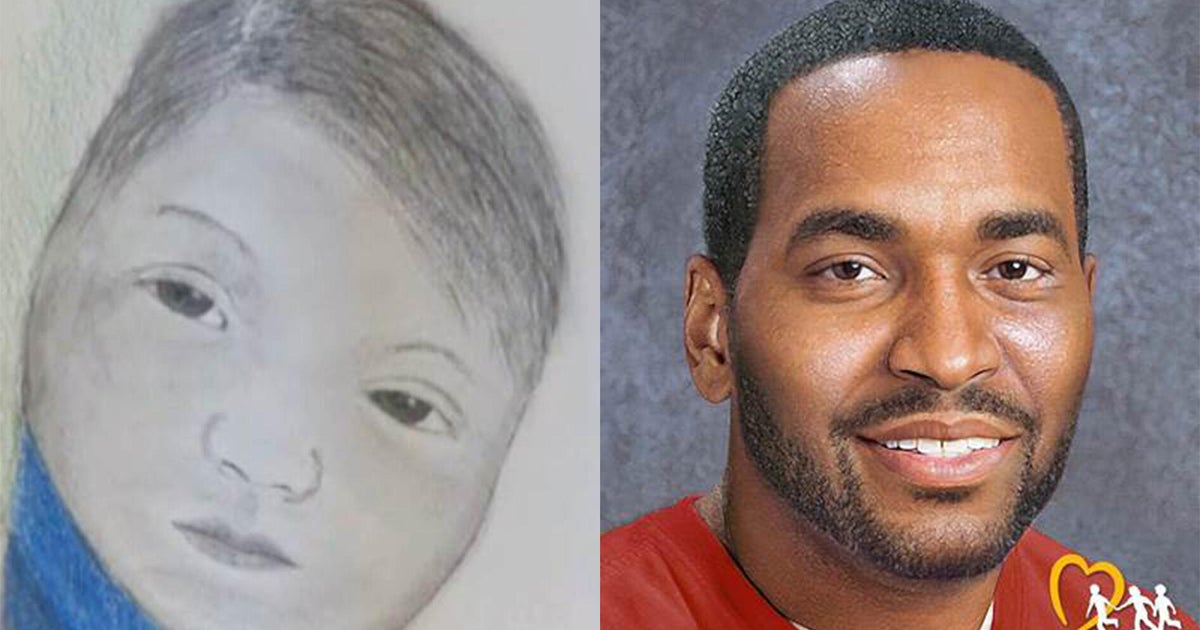
Search continues for infant abducted from Atlanta home 48 years ago
For forty-eight years, Donna Green has lived in a space between memory and mystery. In November 1978, she...

Delaware Police Issue Alerts for Wanted and Homeless Sex Offenders
Delaware State Police Update Registry for Homeless and Wanted Sex Offenders On Friday, November 6, 2026, the Delaware...
Sen. Chris Murphy Discharged From Hospital After Suffering Hemorrhagic Stroke
Senator Chris Murphy’s Path to Recovery Following Hemorrhagic Stroke Democratic Senator Chris Murphy of Connecticut has been discharged...