Idaho Election Results Reveal Shifting Political Ground
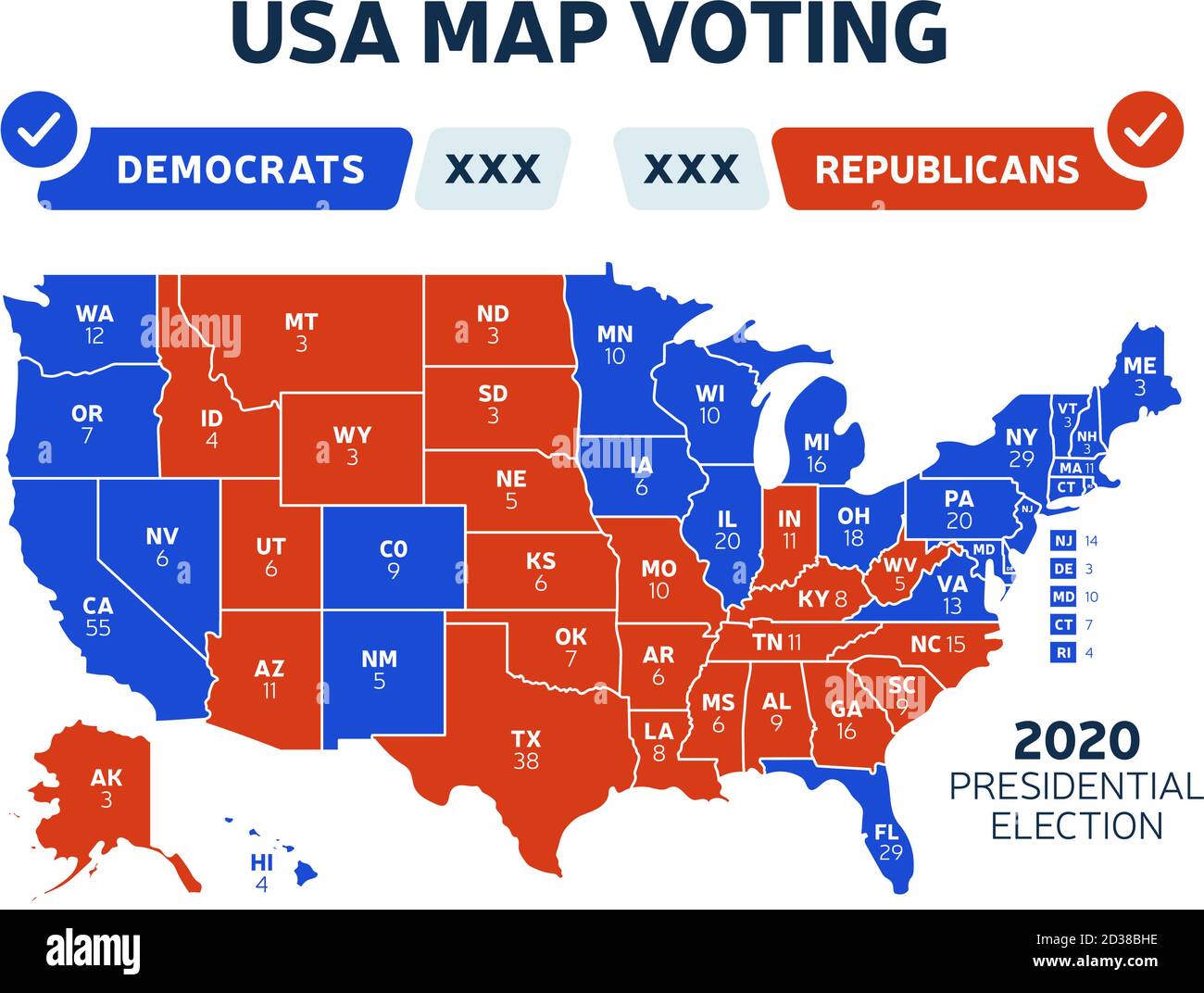
For those watching Idaho politics through the lens of recent national trends, the November 3, 2026, general election offered a complex narrative. While Republican incumbents successfully retained every federal and state constitutional office, the margins of these victories tell a more nuanced story. According to the Idaho Freedom Foundation, every one of these winning vote percentages landed lower than the results seen during the mid-term election four years prior.
‘An abuse’ of power? Idaho Republicans block Democrats from challenging bill https://t.co/ItPKU1lKlG
The most significant shift occurred within the statehouse, where the Republican Party saw a net loss of seats to Democratic challengers. In a move that hasn’t been mirrored in two decades, six seats flipped from Republican to Democrat. No seats moved in the opposite direction. When analyzing these changes alongside primary election outcomes, the Idaho Freedom Foundation suggests a net loss of two to three conservative positions among state legislators.
The Legislative Landscape and Conservative Shifts
The composition of the state legislature is a primary indicator of Idaho’s ideological direction, often tracked against the Idaho Freedom Index. The 2026 election cycle saw a mix of gains and losses for conservative-leaning candidates. While figures like Herndon, J. Sauter, and Bennett secured wins, the conservative caucus saw departures including Thompson, Cayler, Kohl, Leavitt, and Zuiderveld. Furthermore, several attempts to flip seats—specifically those involving candidates Johnstone, Hyde, and Crowder—fell short in general election contests against both moderate Republicans and Democrats.
This erosion of conservative margins has prompted internal discussions about the state’s trajectory. As reported by the Idaho Freedom Foundation, the organization views these results as a warning bell for the Gem State. The data suggests that while the state did not experience the level of political volatility seen in regions like Arizona or Ohio, the trend line is moving closer to what the foundation characterizes as the “cliff’s edge.”
Proposition 1 and the Vote for Life
One of the most closely watched aspects of the ballot was Proposition 1, an initiative aimed at expanding abortion access. The measure was defeated, marking a victory for the pro-life movement in Idaho. However, even this result provided data for political analysts to dissect. The proposition failed with a 56% “NO” vote. By comparison, a ranked-choice voting proposition appearing on the ballot two years ago was defeated by a significantly wider margin, garnering a 69.6% “NO” vote.
This discrepancy in voter sentiment suggests that while the initiative to expand abortion access did not pass, the electorate’s margin of opposition was narrower than previous conservative-led ballot measures might have predicted. You can review the granular data for these contests through the official State Election Results portal.
Economic and Civic Stakes for Idaho
The “blue wave” of national political discontent appears to have left an imprint on local Idaho races. For families and businesses, the primary concern remains the impact of these shifts on fiscal policy, tax rates, and the preservation of traditional state values. The Idaho Freedom Foundation maintains that the next one or two election cycles could prove decisive for the state’s economic climate.
The organization’s focus remains on limiting the scope of government, reducing tax burdens, and countering Marxist-aligned ideologies within the legislative process. Despite the net loss of conservative seats, the foundation emphasizes that its core principles—individual liberty, fiscal responsibility, and constitutional governance—remain the bedrock of their advocacy. The fight for these positions, they argue, is a long-term commitment that transcends the results of any single election cycle.
As the state legislature prepares for the upcoming term, the focus will likely remain on whether this shift is a temporary dip or the beginning of a sustained trend. For those who prioritize a specific ideological direction for Idaho, the 2026 results serve as a call for increased vigilance and engagement in future primary and general elections.
Keep reading

Missouri hunters asked to monitor for remains in Lindsey Watts case
Hunters Asked to Monitor Woods for Skeletal Remains in Lindsey Watts Case As Missouri’s deer hunting season brings...

Minnesota Leads Nation in Voter Turnout as Civic Engagement Peaks
Minnesota Leads Nation in Voter Participation for 2026 Midterms Minnesotans have once again secured the top spot for...

Darci Phenix, Olēka, and Robocobra Quartet release new music
The Auditory Shift: Why Fall Demands a New Playlist The Pacific Northwest has officially traded its sun-drenched patios...
New JCPS Board Faces Financial Challenges and Political Shifts
When the Jefferson County Board of Education convenes in January, it will look fundamentally different than it does...