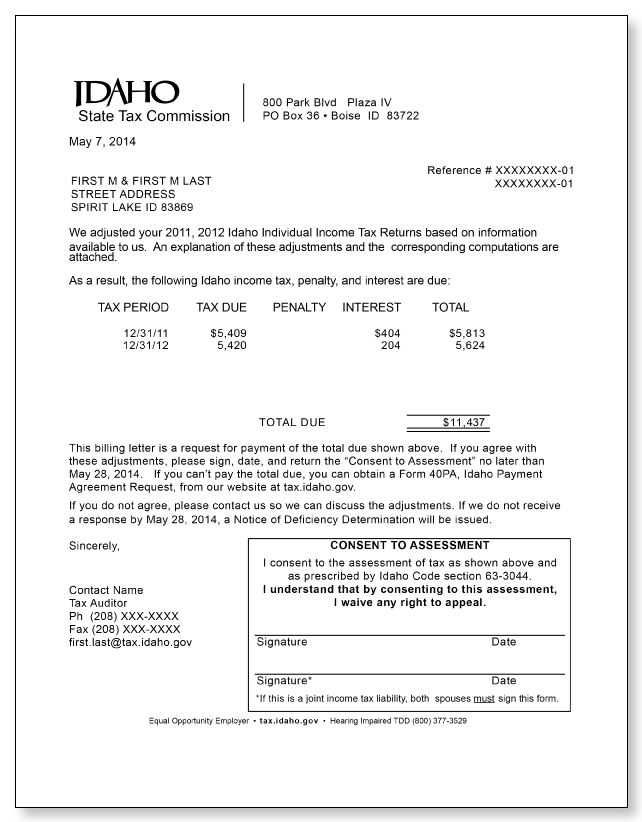
Idaho released long-awaited data showing that more than half of the families awarded tax credits through the state’s $50 million private school voucher program sit above the income threshold for priority consideration.
The numbers, published by the Idaho State Tax Commission, also show that nearly three-quarters of students benefiting from the program had never attended an Idaho public school. The findings emerged ten days after the election, following months in which the agency denied requests from journalists, Democratic lawmakers, and the public for basic recipient information.
“Idahoans were sold a lie about this voucher scheme,” said Ilana Rubel, House Democratic Leader, stating that the program failed to prioritize low-income children leaving public schools.
“Instead, more than half of the families awarded tax credits are above the income threshold Republicans promised to prioritize, and nearly three-quarters of students have never attended an Idaho public school,” Rubel said. “There’s no academic performance data showing these private schools are delivering a decent education, much less a better one.”
The program distributes millions of dollars without requiring proof that participating students are making academic progress.
“We’re handing out millions in taxpayer subsidies without requiring proof that children are even learning,” Rubel said. “It’s disappointing that taxpayers had to fight for months to get these facts, only to have them released after the election. Voters deserved this information before casting their ballots. We should repeal this program or, at the very least, end subsidies for higher-income families.”
“It’s hard enough for working parents to make ends meet without being asked to subsidize private school tuition for families who are better off than they are,” said Janie Ward-Engelking, Senate Democratic Caucus Chair.
“I want someone to explain to a rural parent why their child’s school can’t afford another teacher, but the state can afford to help a well-off family pay private school tuition,” Ward-Engelking said. “That’s a pretty lousy deal for rural Idaho.”
“Working families are helping pay for private school subsidies while the public schools their own children attend struggle for resources,” Ward-Engelking said. “If we have $50 million for education, it ought to help the kids who need it, not families who can already afford to send their children wherever they want.”
Related reading

Man Charged With Murder After Allegedly Killing Sister in Malden
Jean Eddie Noel called police to report that his sister had taken her own life inside a Malden...
Kentucky House Democrats Announce Leadership Team
“We’re heading into the next session with more members, more voices and more opportunities to make a difference,”...

Maine Celtics Dominate Delaware Blue Coats for First Road Win
The Maine Celtics seized control early and never trailed, defeating the Delaware Blue Coats 142-116 to claim their...

Louisiana Ranks Eighth for Year 2 Rural Health Funding Increases
Louisiana secured $211.9 million in second-year funding through the federal Rural Health Transformation Program, an increase of approximately...