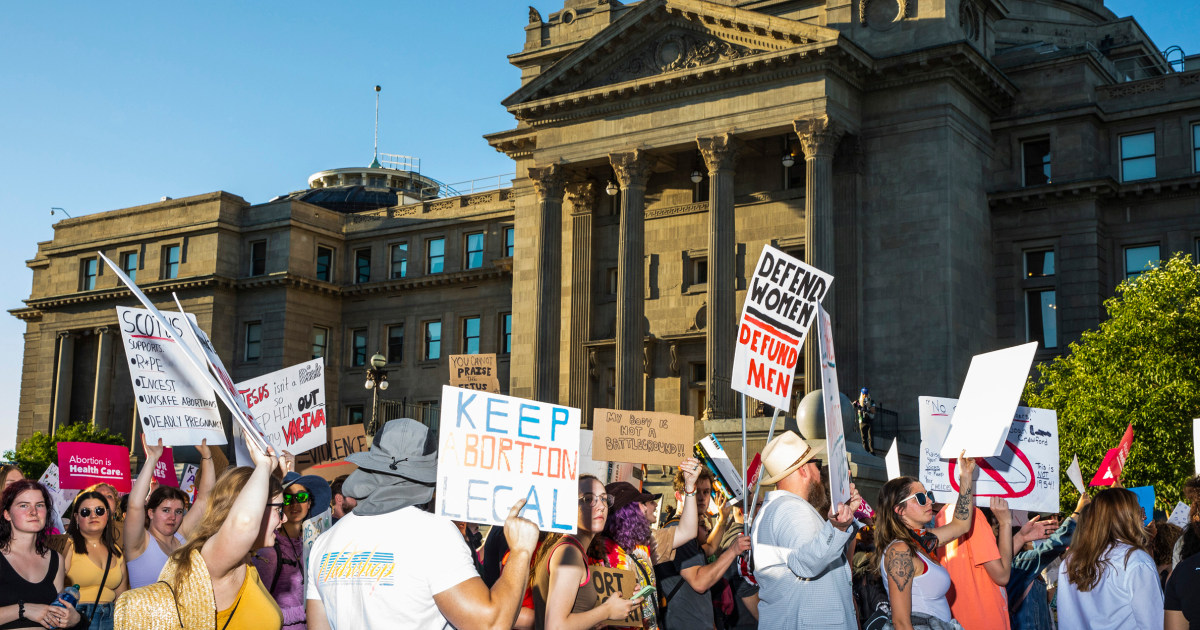
Idaho voters have delivered a decisive rejection of Proposition 1, the ballot initiative that would have enshrined abortion rights up to fetal viability in the state constitution, NBC News reported. The Associated Press called the race at 12:35 a.m. Wednesday, and with nearly all ballots counted the measure trailed badly — 43.68% in favor, or 286,909 votes, against 56.32% opposed, according to early results reported by Yahoo News.
The defeat preserves Idaho’s near-total abortion ban, which took effect in 2022 after the Supreme Court’s Dobbs decision overturned Roe v. Wade and returned abortion policy to the states. Under the current law, abortion is outlawed except to prevent the death of the mother, or in cases of rape and incest during the first trimester when a police report is filed. Doctors who perform abortions outside those narrow exemptions face felony prison time, loss of their medical licenses, and civil lawsuits carrying a minimum of $20,000 in damages.
What Proposition 1 Would Have Changed
The Reproductive Freedom and Privacy Act Initiative would have taken effect in 2027 and allowed the state to regulate abortion only after fetal viability — generally understood as around 23 to 24 weeks — except in medical emergencies to save the woman’s life. It defined viability as a fetus having “a significant likelihood of sustained survival outside of the uterus without extraordinary medical measures.” Beyond abortion, the measure would have guaranteed rights to contraception, fertility treatment, miscarriage care, and prenatal, pregnancy and postpartum care, framing reproductive decisions as belonging to “a person in consultation with their health care provider.”
Supporters at Idahoans United for Women and Families, the group that authored the initiative, turned in nearly 110,000 signatures in July to qualify for the ballot — well above the 70,725 verified signatures needed statewide, plus the required 6% of registered voters in at least 18 of Idaho’s 35 legislative districts. The group formed in 2024 specifically to restore abortion access after Dobbs triggered Idaho’s ban.

The campaign’s central argument was that Idaho’s ban has hollowed out the state’s maternity care workforce. Almost a third of Idaho’s OB-GYNs moved away, stopped practicing, or retired between August 2022 and December 2024, according to a study published in a medical journal. That loss lands hardest on rural communities where a single obstetrician often serves an entire region.
“This is a tremendous, frankly gutting, loss, especially for the women, families, and physicians of Idaho,” said Melanie Folwell, executive director of Idahoans United for Women and Families, in a concession statement sent just after 12:20 a.m. “We will see more doctors leave the state as a result of this election.”
Opponents countered that the state has a duty to protect fetal life and that the existing exemptions adequately protect mothers. The Idaho GOP, the Salt Lake City-based Church of Jesus Christ of Latter-day Saints, and the Roman Catholic Diocese of Boise all campaigned against the measure under the banner of Stop Prop 1.
“The people of Idaho have spoken,” said Mary Strow, communications director for Stop Prop 1. “They saw through the smokescreen of deception and barrage of out-of-state funded ads that sought to rewrite our laws and reshape our values. Idaho is and will always be a state that values life and protects the unborn.”
A National Pattern, and What Comes Next in Boise
Idaho’s result fits a broader post-Dobbs pattern: since 2022, voters in 17 states have weighed in on abortion ballot measures, according to KFF. Measures restoring access passed in 11 states, while similar initiatives failed in Florida, Nebraska, and South Dakota; separately, three measures aimed at curtailing abortion access also failed. Idaho is now one of the states where voters chose to keep restrictions in place.
The fight is not formally over. Idaho’s election results do not become official until the Idaho State Board of Canvassers certifies them at its November 24 meeting, and election officials were still counting ballots early Wednesday morning. But with a gap of more than 12 percentage points, the outcome is not in doubt.
For the women and physicians Folwell described, the practical stakes are immediate: the ban stays, the felony penalties stay, and the exodus of obstetricians that began in 2022 is likely to continue. “And, most urgently,” she said, “women will continue to suffer needlessly under one of the most cruel abortion bans in the nation.”
Related reading

William Lawrence Declares Victory Over Incumbent Tom Barrett in Michigan’s 7th District
"We built an unprecedented movement here in Mid-Michigan, powered by thousands of volunteers, and we showed that you...

Writer recounts baptism at Trinity Episcopal Church in Anoka
In a first-person column for Episcopal Minnesota, a writer recounts being baptized at Trinity Episcopal Church in Anoka...
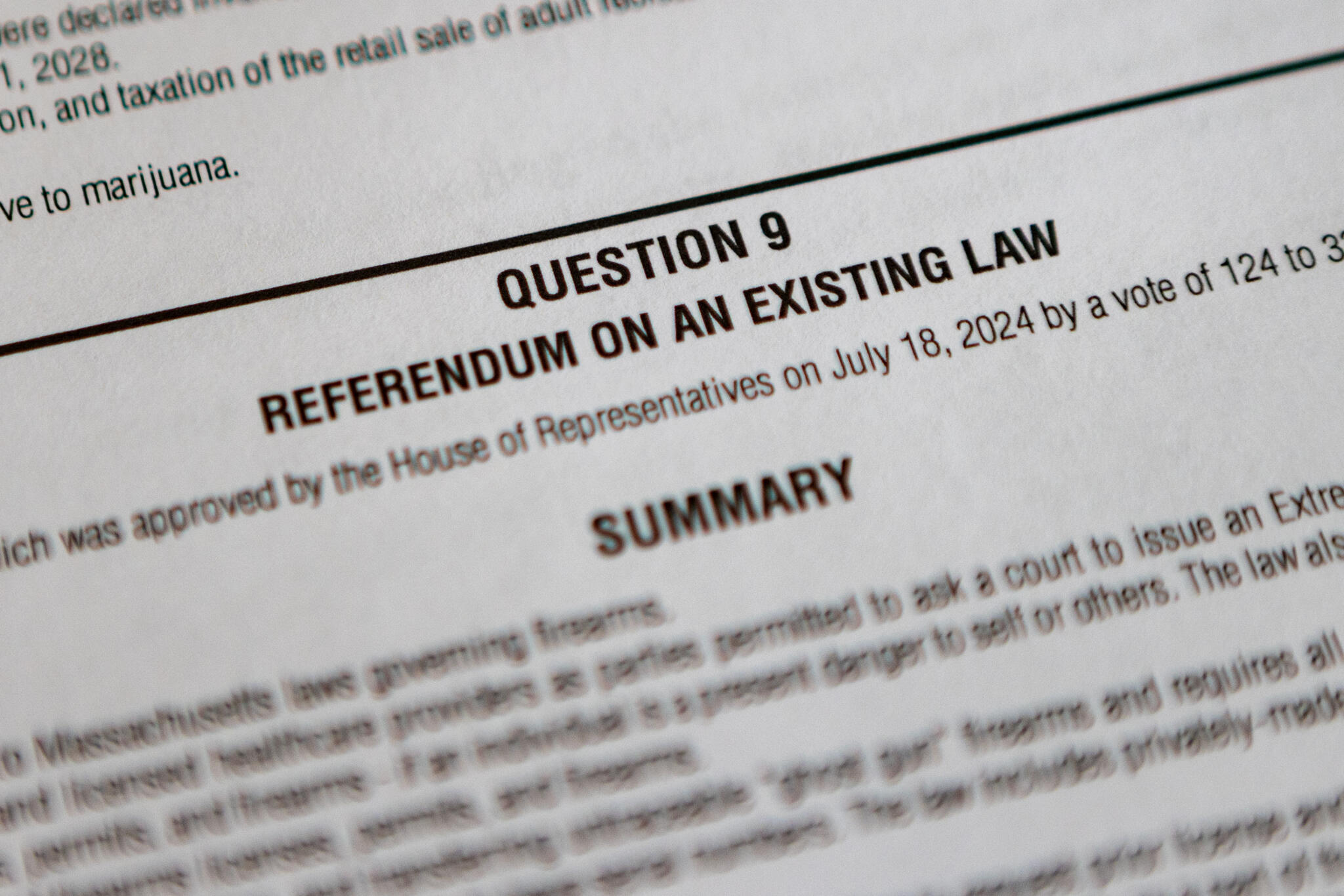
Massachusetts Voters Uphold Strict 2024 Gun Safety Regulations
Massachusetts Voters Uphold Major Gun Safety Law, Rejecting Repeal Effort "This victory belongs to the people of Massachusetts,...

Baltimore County voters elect new council members and expand seats
After Tuesday's election, the County Council is on track to expand from seven members to nine, with at...