European Union diplomats confirmed that the governing board of the International Energy Agency will hold an informal meeting to discuss a proposed release of crude oil and diesel stocks following a G7 agreement to make 100 million barrels available.
An informal gathering of the International Energy Agency’s governing board is scheduled for Wednesday at 1300 local time (1100 GMT) on Wednesday to deliberate on a potential drawing down of petroleum and diesel stocks. Representatives of European Union nations discussed the proposed release during a meeting on Wednesday morning, according to diplomatic sources.
International Energy Agency Considers Emergency Reserves After G7 Deal
The emergency talks follow a Group of Seven agreement reached last week to make 100 million barrels of crude and diesel available from emergency reserves. The G7 major economies also pledged to refrain from energy export restrictions. The group includes the United States, United Kingdom, Japan, Canada, and EU member states France, Germany, and Italy.
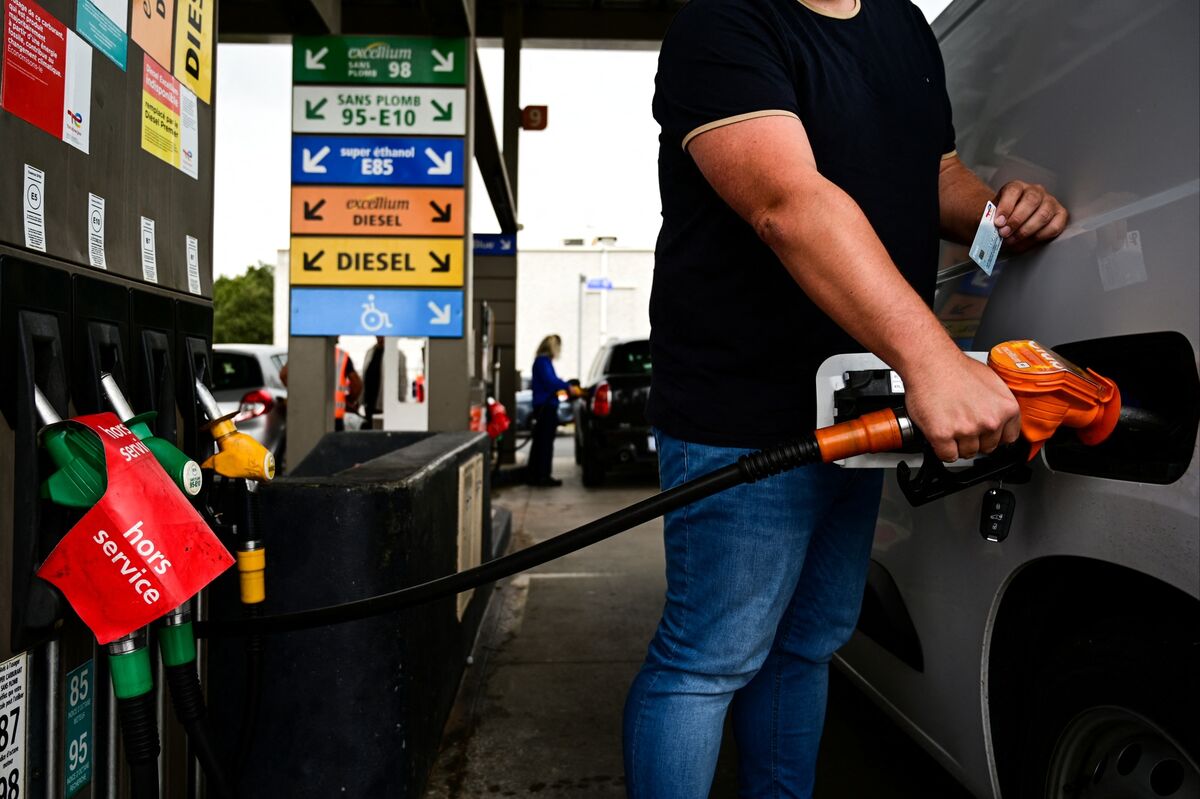
The emergency release comes under pressure from US President Donald Trump, who warned European countries that the United States would ban diesel exports if they failed to release more of the fuel. A dramatic escalation in diesel costs has transformed the commodity—vital for industrial operations, farming, and transport—into a major international political and economic issue. Meanwhile, wars in Iran and Ukraine have curtailed exports and damaged refineries, helping drive the rise in prices.
Questions Surround New Volumes Versus Prior Commitments
Confusion persists among those in the oil and energy industry over how many barrels Europe and the United States plan to make available to address shortages and record-high prices. It is unclear whether the G7 agreement will simply release the remaining share of an IEA-coordinated 400-million-barrel release that countries committed to in March, or add extra volumes on top of that amount.

European Union countries agree that they will not be obliged to release any new oil as part of the announcement. Based on an internal memo reviewed by Bloomberg, delegates attending a Wednesday morning session of EU member state representatives concurred that any subsequent withdrawals from petroleum reserves ought to remain bounded by the figures previously endorsed in March. Several countries requested that the International Energy Agency carry out an impact assessment.
Germany’s economy ministry stated it was working on the approval of the release of energy reserves and will participate in issuing volumes already set by the IEA in March. March’s move, prompted by the war in Iran, marked the biggest emergency stock release ever.
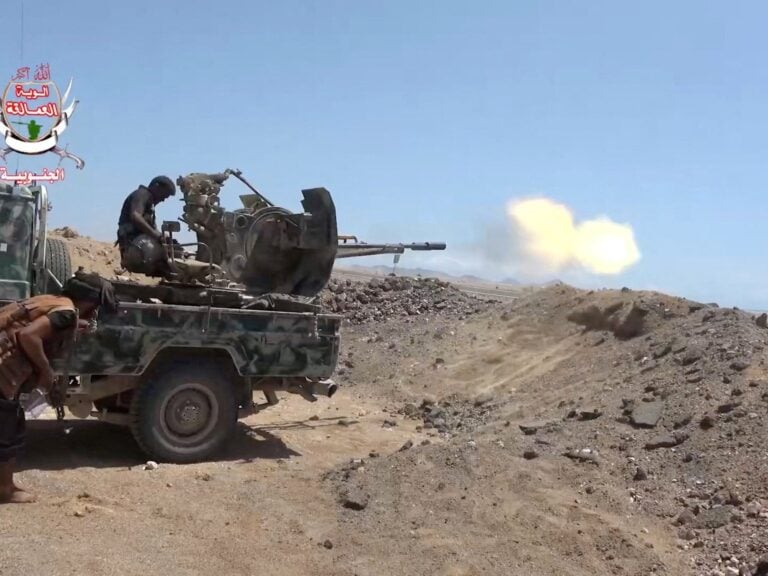
Yemeni Government Forces Launch Offensive Against Houthis Near Bab el-Mandeb
Yemeni government forces and a Saudi-led coalition launched Operation Dawn of Yemen, advancing on the strategic Bab el-Mandeb...
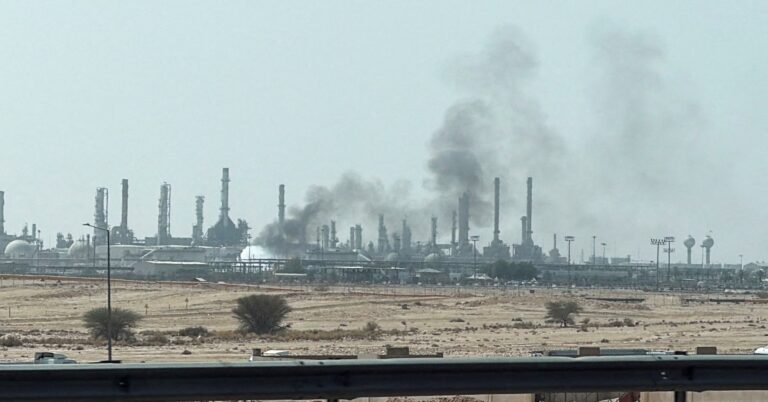
Oil Prices Rise as Houthi Attacks and Gulf Storm Threaten Supply
Global crude oil prices rose on Tuesday as the market weighed supply constraints from a forming Atlantic hurricane...

Arab Media Focuses on Gaza Destruction for October 7 Anniversary
Three years after Hamas launched its October 7 invasion of Israel, Arab media coverage has focused heavily on...
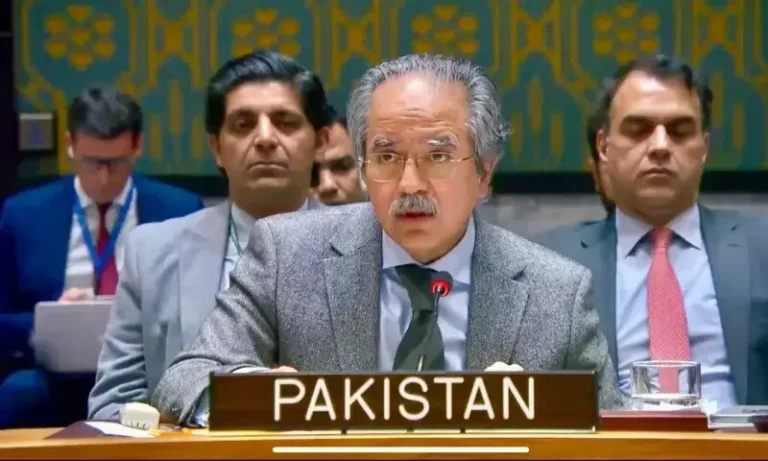
Asim Iftikhar Ahmad Leaves UN Role to Become Pakistan Foreign Secretary
Ambassador Asim Iftikhar Ahmad concluded a consequential two-year tenure as Pakistan's permanent representative to the United Nations in...