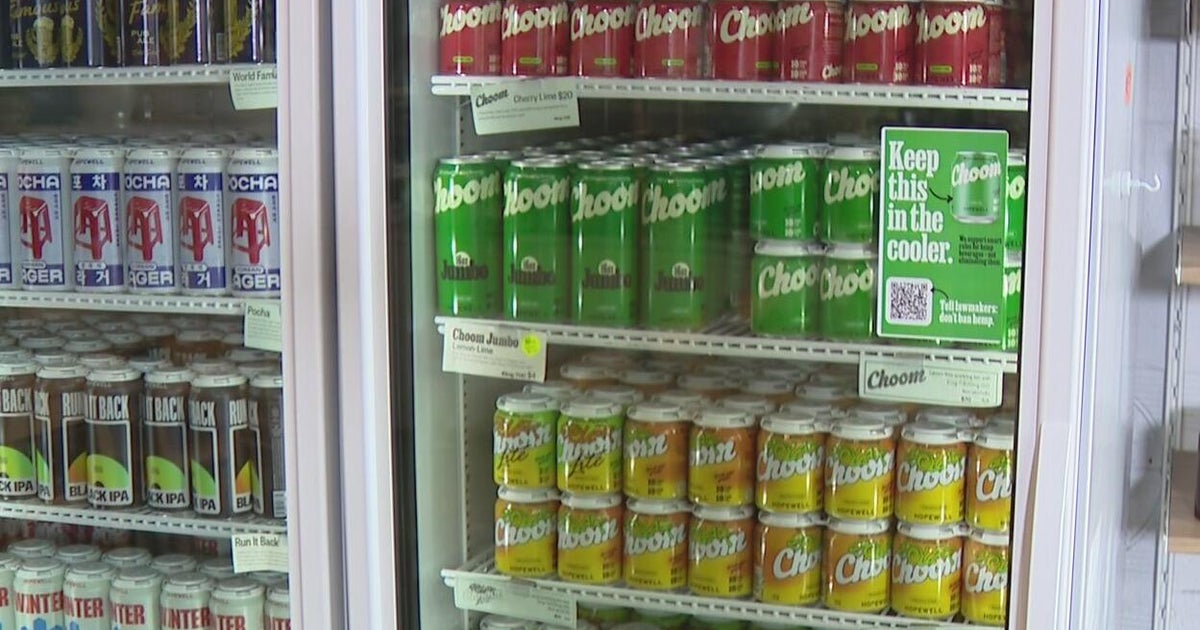
An Illinois law that would strip most hemp-derived THC drinks from retail shelves has been temporarily paused for several businesses following a legal challenge.
The state agreed to delay enforcement against roughly 250 businesses and members of their industry association through Thursday, Nov. 19, CBS News reported.
The reprieve comes just days before the original Nov. 12 deadline when the new regulations were set to take effect. A federal judge is scheduled to hear arguments on Nov. 19 to decide whether to permanently block the law while the litigation proceeds.
The new legislation would restrict retail sales to products containing no more than 0.4 milligrams of THC. For many local establishments, this threshold is far below what they currently stock.
Stephen Bossu, owner of Hopewell Brewing in Logan Square, noted that his lowest-selling THC product contains 3 milligrams. He said these drinks account for 10% to 20% of his overall seasonal revenue.
“It’s a small family business,” Bossu said, noting that the loss of this revenue could lead to difficult decisions, including potential layoffs.
Bossu expressed disappointment in the state’s decision, stating that officials chose a ban instead of sensible regulation.
Illinois pauses ban on THC drinks as brewers sue https://t.co/SCjsdMcys0
The Illinois Healthy Alternatives Association filed the lawsuit challenging the law, arguing that the restrictions will limit consumer access and harm businesses. Glenn McElfresh, CEO of Chicago-based Plift and a member of the Hemp Beverage Alliance, argued that the state should focus on regulation rather than removing products from traditional retail environments.
McElfresh observed that without these products, shelves at common retailers like Target, Circle K, and Binny’s will be “bone dry.” He suggested the law could force smaller brands to halt expansion plans and shift their sales exclusively into dispensaries.
The debate highlights a fundamental disagreement over how to manage the emerging hemp market. While industry advocates argue for oversight that maintains current retail access, supporters of the restrictions argue that stronger measures are necessary to protect consumers, particularly children.
McElfresh argued that the government possesses the tools to manage the industry without erasing it. “They know where these products are being purchased,” McElfresh said, adding that they know where the packaging originates and that regulation is possible if the state has the willpower.
The outcome of the upcoming federal hearing will determine whether the hemp-derived beverage market remains in grocery stores and liquor shops or is forced into a more restricted, dispensary-only model. For the 250 businesses currently protected by the stay, the window of certainty ends next Thursday.
The current legal battle centers on whether the state’s move constitutes reasonable oversight or an unlawful disruption of a growing commercial sector.
Worth a look

Judge Dismisses Portland Immigration Lawsuit Over Access to Counsel
A federal judge has dismissed a lawsuit brought by a Portland-based immigration law firm that alleged federal agents...

New Orleans Man Indicted on Federal Charges for Fentanyl and Methamphetamine Distribution
A 41-year-old New Orleans man faces federal charges for allegedly possessing large quantities of fentanyl and methamphetamine with...
Colts Risers and Fallers After Week 9 Loss to Cowboys
The Indianapolis Colts dropped to a 2-7 record on Sunday, suffering their fifth consecutive loss in a 27-23...

Georgia Today: North Georgia Floods, Zoo Atlanta Rhino Loss, and Data Center Moratorium Proposals
“All things related to data centers will be on the table,” Governor-elect Keisha Lance Bottoms said while addressing...