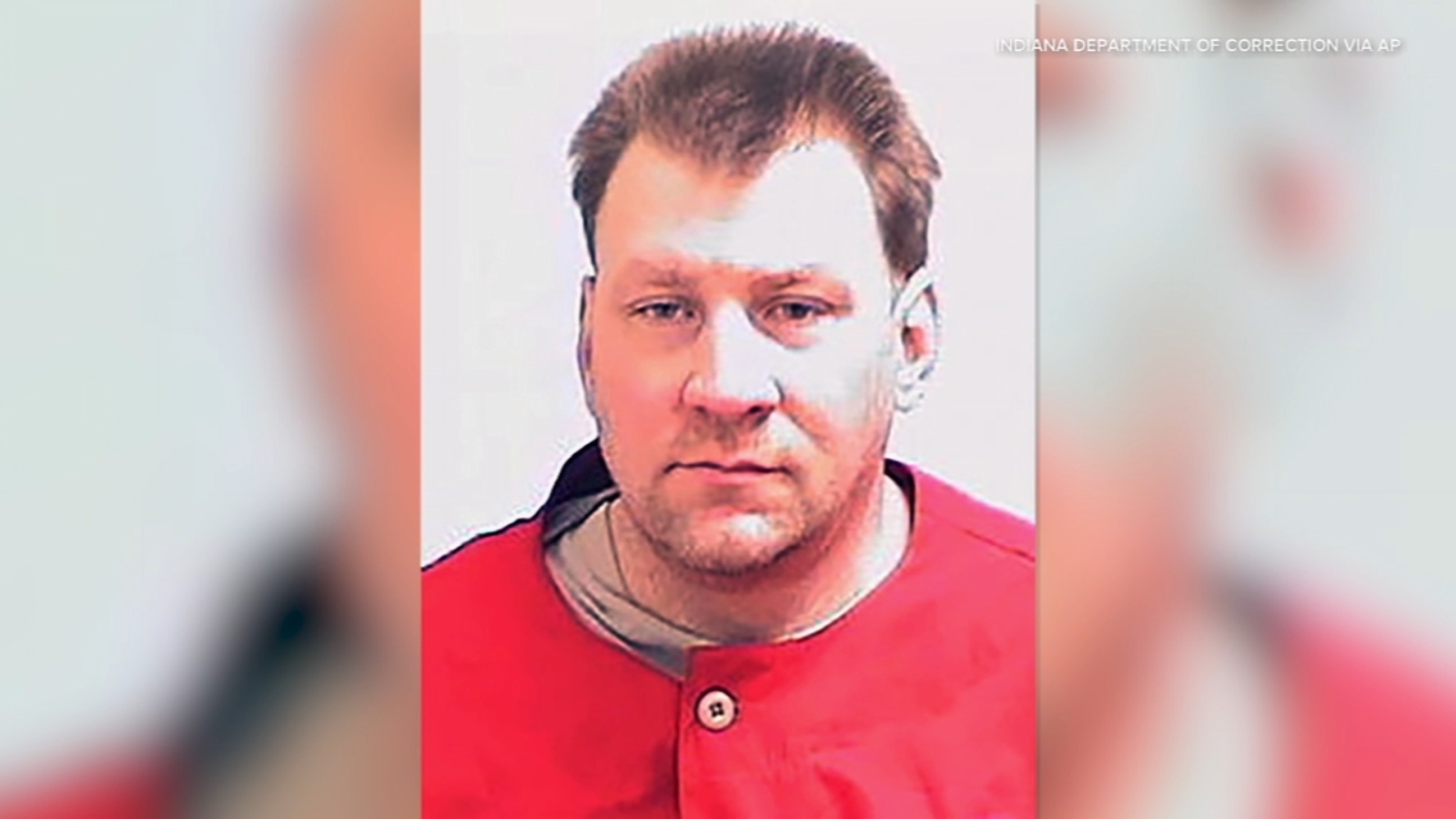
Indiana Execution Marks Rare Triple-State Day of Capital Punishment
Jeffrey Weisheit, a 50-year-old man convicted of the 2010 arson deaths of his girlfriend’s two young children, was executed by lethal injection early Thursday morning at the Indiana State Prison in Michigan City. According to officials with the Indiana Department of Correction, the procedure began shortly after midnight, and Weisheit was officially pronounced dead at 12:45 a.m.
The case, which ABC7 Chicago reported, marks the first execution in Indiana this year. Weisheit’s death was the first of three scheduled across the United States on Thursday, with states including Florida and Alabama also moving forward with capital sentences. This synchronization of executions represents only the second time in 2026 that three individuals have been put to death on the same day.
The 2010 Evansville Arson Case
Weisheit was convicted for the deaths of 8-year-old Alyssa Lynch and 5-year-old Caleb Lynch. Prosecutors successfully argued that Weisheit, who was dating the children’s mother, set fire to their Evansville-area home while the siblings were trapped inside. The act followed what reports described as a deteriorating relationship between the couple. Following the arson, Weisheit was apprehended after a high-speed chase that concluded in Covington. He had remained on death row since 2015.
In the final hours before the execution, legal representatives for Weisheit had petitioned Indiana Governor Mike Braun to commute the sentence to life in prison. The defense had requested that Weisheit be permitted to undergo brain scans to provide additional evidence regarding a history of head injuries and mental health challenges. Governor Braun declined both the request for medical testing and the plea for clemency.
Lawyers Challenge Lethal Drug Source Before Execution
Beyond the clemency request, Weisheit’s legal team mounted a challenge regarding the origin of the lethal drugs intended for the procedure. The objection centered on the fact that the pharmacy supplying the chemicals was scheduled for a disciplinary hearing before the Indiana Pharmacy Board. Despite these objections, the Indiana Department of Correction maintained its confidence in the process, stating it remained capable of carrying out the execution in a humane manner.
Following the event, Governor Braun issued a statement confirming that the case had been subject to extensive review by both state and federal courts. “Today, Weisheit’s sentence has been carried out as ordered by the court.” Indiana Attorney General Todd Rokita added that the execution provided “long-awaited justice for Alyssa Lynch and her brother Caleb, two innocent children whose lives were stolen in an act of unspeakable cruelty.”
States Carry Out Multiple Executions Amid National Scrutiny
The execution occurred amid a broader, national conversation regarding the application of the death penalty. In Florida, the state was prepared to carry out its 19th execution of the year, a figure that matches a state record set in 2025. Governor Ron DeSantis has publicly prioritized the conclusion of long-standing death penalty cases, an initiative that has led Florida to account for more than half of the 32 total executions carried out in the U.S. so far this year.
Meanwhile, Alabama moved forward with the execution of 54-year-old Michael Taylor, convicted for the 1991 beating deaths of an older couple in Gadsden. Taylor’s case drew significant attention due to his age at the time of the crime—he was 19—and an eleventh-hour dispute regarding the method of execution. After a judge ruled that nitrogen gas was unconstitutional for his case, the state shifted to lethal injection, a move that Taylor’s attorneys unsuccessfully challenged.
The national climate remains tense following a failed execution in Tennessee this past September. While that incident prompted renewed scrutiny of lethal injection protocols, courts have consistently rejected subsequent efforts to halt executions across various jurisdictions, even in cases where inmates had previously survived earlier attempts.
For those interested in the official record of the proceedings, the Indiana Department of Correction has provided documentation of the timeline at events.in.gov. As of Thursday morning, the state of Indiana continues to hold a position where, unlike Florida, the death penalty remains a relatively infrequent occurrence.
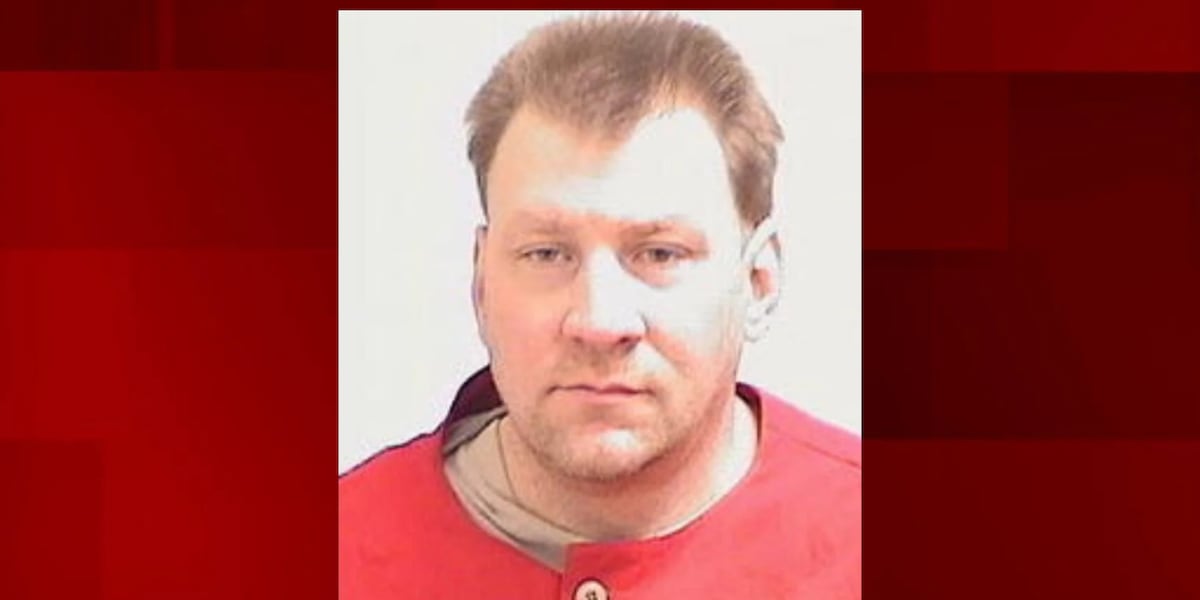
More on Jeffrey Weisheit
Sometime between now and sunrise, Indiana is scheduled to execute Jeffrey Weisheit, who was convicted of killing two children in 2010. (From WTHR article) https://t.co/Fsizq97QPU pic.twitter.com/i6bXM8qQYV
Indiana executed Jeffrey Weisheit, convicted of killing two children in 2010. pic.twitter.com/NycrMbosMd
INDIANA MAN EXECUTED FOR FATAL HOUSE FIRE Jeffrey Weisheit, an Indiana man who admitted killing two children in a house fire, was executed by lethal injection early Thursday. His was the first of three lethal injections scheduled for the same day in the U. S. Weisheit was… pic.twitter.com/91SdZFNcuU
Indiana has executed Jeffrey Weisheit, convicted of murdering two children in 2010. pic.twitter.com/fqkTgc1IDP
Keep reading

SCAD Savannah Defeats Florida Memorial 3-1 in Men’s Soccer Quarterfinals
SCAD Savannah secured a 3-1 victory over Florida Memorial University in the men’s soccer quarterfinals on November 4,...

Punaluʻu Bake Shop Hires Staff Ahead of Reopening After Hurricane
Staffing Push Signals Recovery for Punaluʻu Bake Shop The Punaluʻu Bake Shop, a cornerstone of Nāʻālehu commerce since...

Atlanta Hawks lead Washington Wizards 37-32 after first quarter
Hawks Build Early Lead in High-Intensity Clash with Wizards The Atlanta Hawks concluded the opening period of their...

CT Democrats Plan Housing Focus After Election Sweep
“But I do believe you make hay while the sun shines,” Gov. Ned Lamont said, addressing the state’s...