
Indiana Man Executed as Three States Carry Out Lethal Injections on Same Day
Indiana executed Jeffrey Weisheit in the early hours of Thursday, marking the first of three lethal injections scheduled across the U.S. on the same day. The Associated Press reported the 50-year-old was pronounced dead at 12:45 a.m. at the state prison in Michigan City, with no final words.
This grim milestone comes as Florida and Alabama prepare to carry out their own executions later Thursday, showing a relentless pace of capital punishment in the country. Alabama and another state are set to execute Jesse Guardado and Michael Taylor, creating a triad of state-sanctioned deaths that has drawn fresh scrutiny to the nation’s use of the death penalty.
A House Fire and a Denied Plea for Mercy
In Indiana, Weisheit’s execution brought a chapter to a close. He had acknowledged setting the fire that killed his girlfriend’s two children, Alyssa Lynch and Caleb, in the Evansville area in 2010. His legal team had hoped Governor Mike Braun would grant clemency, arguing for a life sentence instead. They pointed to a history of head injuries and mental health problems, even requesting brain scans be performed before his death. Braun declined, and the execution proceeded.
The state’s attorney general, Todd Rokita, framed the outcome as a matter of justice. He said the execution provided “long-awaited justice for Alyssa Lynch and her brother Caleb, two innocent children whose lives were stolen in an act of unspeakable cruelty.” This perspective stands in stark contrast to the defense’s portrayal of Weisheit as a man whose troubled past warranted a different outcome.
Weisheit’s last objection centered on the drugs to be used in his lethal injection. His lawyers challenged the source, a pharmacy facing a disciplinary hearing next week before the Indiana pharmacy board. The court, however, allowed the execution to move forward.
An Indiana man who admitted to killing his girlfriend's two children was executed early Thursday in the first of three lethal injections scheduled for the same day in the US. https://t.co/vXLsTA1Ihy
Florida and Alabama Add to the Day’s Toll
Under Governor DeSantis, the state is poised to carry out its 19th execution this year, matching a record set by the state in 2025. This relentless pace is set to continue with the scheduled death of Jesse Guardado.
Guardado’s case is rooted in a 2004 crime in Walton county. He was convicted of fatally stabbing a 75-year-old woman inside her home, then stealing her jewelry box, $80, and other valuables to buy drugs. The victim had, in an act of kindness, helped him get a job and housing. Now 64, Guardado’s final appeal was turned down by the courts, leaving his fate sealed.

In Alabama, the focus is on Michael Taylor. In 1991, at just 19 years old, he beat two people, aged 83 and 79, to death with a metal bar during a robbery in their Gadsden home. Death penalty opponents had urged Governor Kay Ivey to commute his sentence to life in prison, but she declined. The state plans to execute Taylor, now 54, by lethal injection.
His case is complicated by a legal battle over the method of execution. Taylor had selected nitrogen gas as his preferred method several years ago. However, a judge recently declared the nitrogen gas method unconstitutional, clearing the way for a last-minute switch to lethal injection. Taylor’s attorneys objected strenuously, arguing the change violated his rights. This switch is particularly noteworthy given Alabama’s troubled history with the method. In 2024, Alabama executed Kenneth Smith by nitrogen asphyxiation, an episode witnesses described as excruciating, after a previous attempt to kill him with lethal injection had failed.
If the state kills Michael, it is not the 19-year-old who made the worst mistake of his life whom it kills. But the mature, well-respected, God-fearing man sitting in that cell today.
Esther Brown of Project Hope to Abolish the Death Penalty
A System Under Scrutiny
The system has faced renewed public and legal scrutiny since the September failed execution of Christa Pike in Tennessee. Pike survived two massive doses of pentobarbital, a shocking event that has fueled arguments about the reliability and humanity of lethal injections. While courts have largely rejected efforts to halt executions in the aftermath of Pike’s ordeal, the underlying questions persist.
The cases of Weisheit, Guardado, and Taylor represent the human stakes of a policy that continues to divide the nation.

KOLO: Edgar Campos-Garcia faces murder charges in Reno shooting
Reno Court Documents Detail Sutro Street Murder Aftermath On a Tuesday night in late October, Reno’s streets saw...
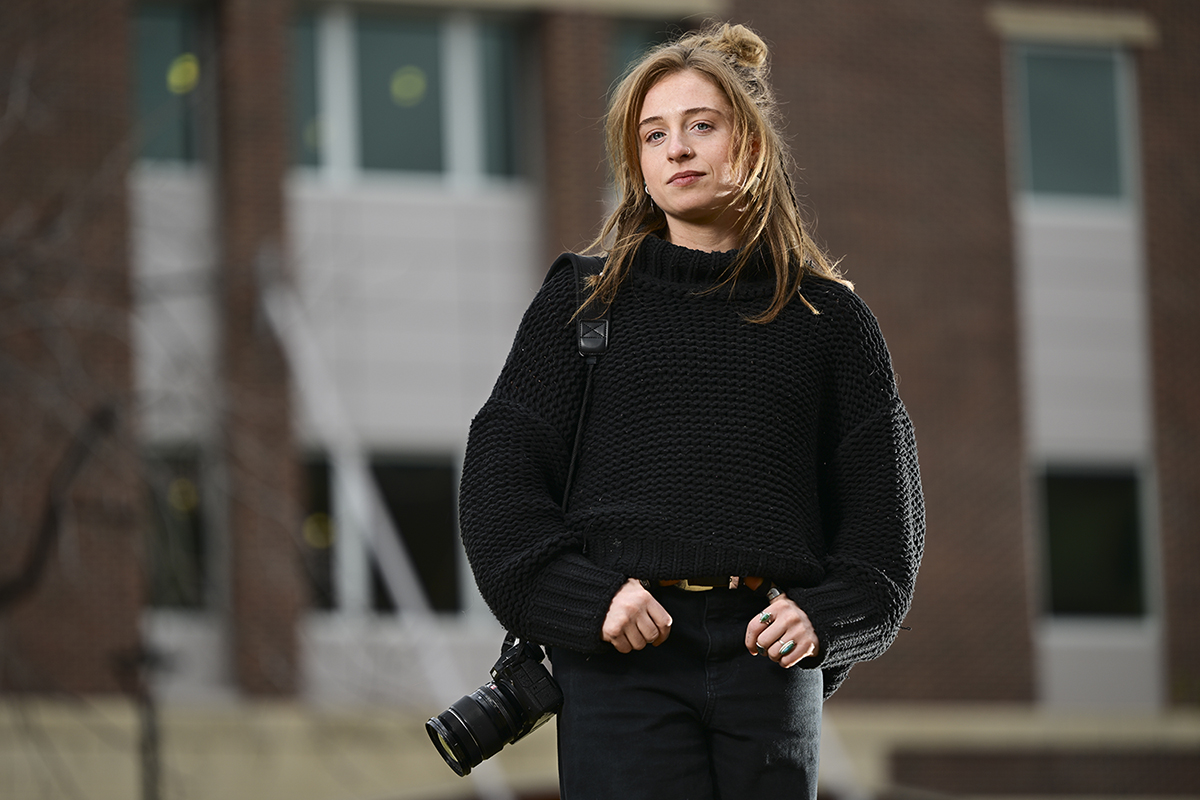
College Photographer of the Year Awarded to Maddie McCuddy
Maddie McCuddy claims first College Photographer of the Year title for University of Montana Maddie McCuddy, a journalism...

New Hampshire Ballot Question to Eliminate Defunct Position Fails, According to Preliminary Results
$100 Salaries, No Work: How a Failed Ballot Question Keeps a Defunct Job Alive New Hampshire voters came...

Lincoln County Election Results: Democrats and Incumbents Secure Key Victories
Lincoln County voters favored incumbents and Democratic candidates at the polls on Tuesday, Nov. 3. In the most...