
Indonesian Vice President Gibran Rakabuming Raka announced his resignation on Thursday, ending a political crisis.
If Gibran had not stepped down on his own initiative, an impeachment procedure likely would have been initiated after the House of Representatives’ plenary meeting on Thursday, November 12, 2026. This sudden exit is a new development in Indonesia.
Historically, a vice-president stepping down only happened once prior, back in 1956 when Mohammad Hatta relinquished his office due to disagreements with President Sukarno at the time. While B.J. Habibie and Megawati Soekarnoputri also left the vice presidency mid-term in 1998 and 2001, respectively, they did not resign; both were elevated to the presidency after their presidents stepped down or were removed.

The roots of the crisis trace back to late September, when legal activists filed a petition with the Constitutional Court after months of building a case alleging that Gibran used a fraudulent high school diploma when submitting his candidacy in 2023.
Although the court threw out the petition, televised proceedings exposed dissenting opinions from judges questioning the authenticity of the documents. Rival politicians in the ruling coalition used these doubts to argue for impeachment.
Pressure culminated on Wednesday afternoon when 120 lawmakers formally submitted a proposal to exercise their right to express an opinion concerning Gibran’s possible impeachment. However, this motion was abruptly short-circuited.
If Gibran formally resigns as vice president, the motion will become irrelevant and will not proceed because it would have no subject.
Muhammad Khozin
said Muhammad Khozin, a member of House Commission II.
Attention immediately shifted to the succession process outlined in national law. According to Article 8 paragraph (2) of the 1945 Constitution, a plenary session must be convened by the People’s Consultative Assembly (MPR) within a 60-day window to choose a successor for the vice presidency.
President Prabowo Subianto holds the exclusive authority to put forward two candidates for the role, providing their names and verification paperwork to the MPR no later than 14 days prior to that gathering.
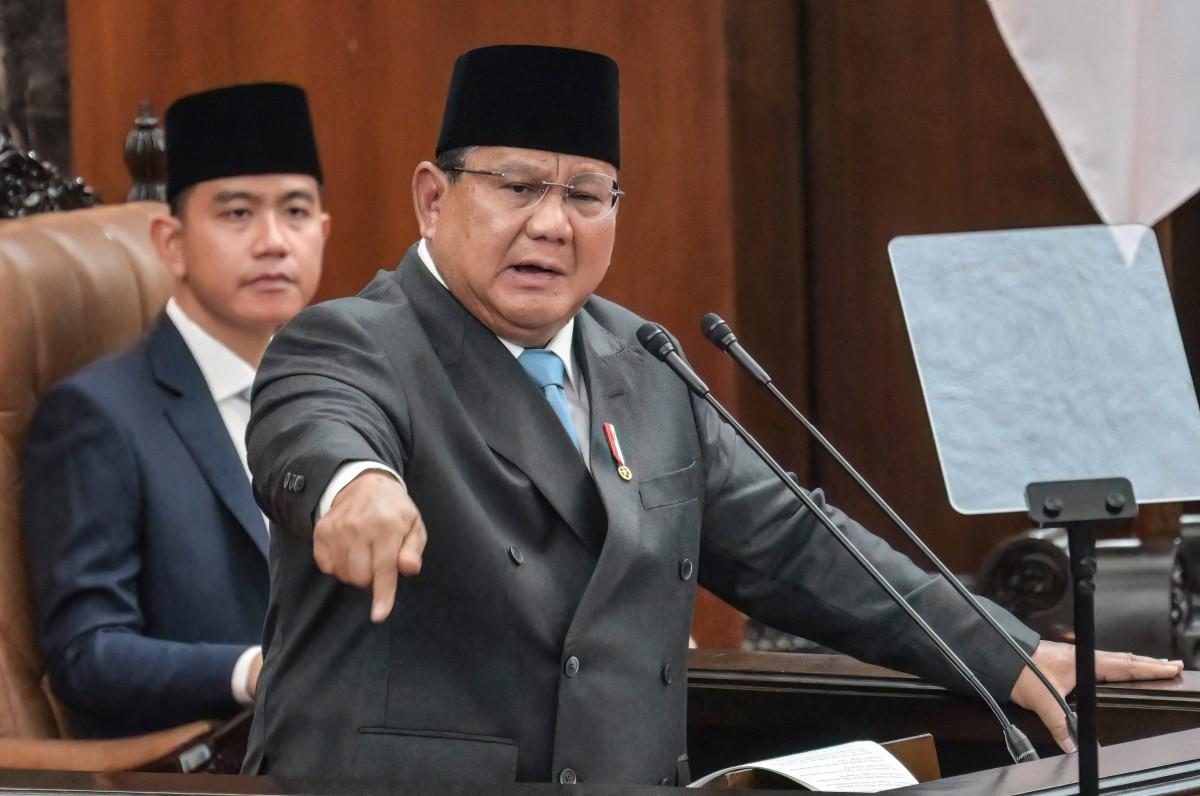
Reporting detailed that two days prior to the MPR session, a verification team consisting of no more than five percent of the assembly’s members must be established to assess the completeness and accuracy of the required documents.
For international media and overseas investors, this situation highlights shortcomings in Indonesian administrative oversight, prompting critical inquiries regarding how stringently state bodies vet officials and the degree to which political patronage drives these processes.
The administration faces falling approval ratings driven by food inflation, rising basic commodity prices, heavy tax burdens, stagnant household incomes, and implementation criticisms surrounding high-profile spending initiatives like the Free Nutritious Meals program.
The MPR leadership arrived at the parliament building on Thursday morning as Gibran prepared to formally convey his resignation letter.

Cardiovascular Research Institute Opens New Dublin Office to Expand Operations
Ireland’s only dedicated cardiovascular research centre has opened a new Dublin 2 office to expand operations, bringing clinical...

Adobe and Google Expand Partnership to Link AI and Creative Tools
Adobe and Google announced an expanded strategic partnership at Adobe MAX in Miami on Tuesday linking major document...

Wheat and Rye Bran Hydrogels Enable Targeted Colon Drug Delivery
Wheat and rye bran fibers could soon help transport targeted colon disease treatments through the human gut, according...

Dublin Travel Disruptions: Road Closures and Security for EPC Summit
Fifty political leaders are descending on Dublin today for the European Political Community (EPC) summit, triggering the largest...