Indonesian prosecutors are seeking up to 10-year prison sentences for 19 members of a human trafficking syndicate accused of selling at least 34 infants, including several sent to Singapore. The trial, centered on alleged ringleader Lie Siu Luan, has sparked urgent government reviews in Singapore regarding adoption safeguards and citizenship applications.
Bandung District Court Trial and Prosecution Demands
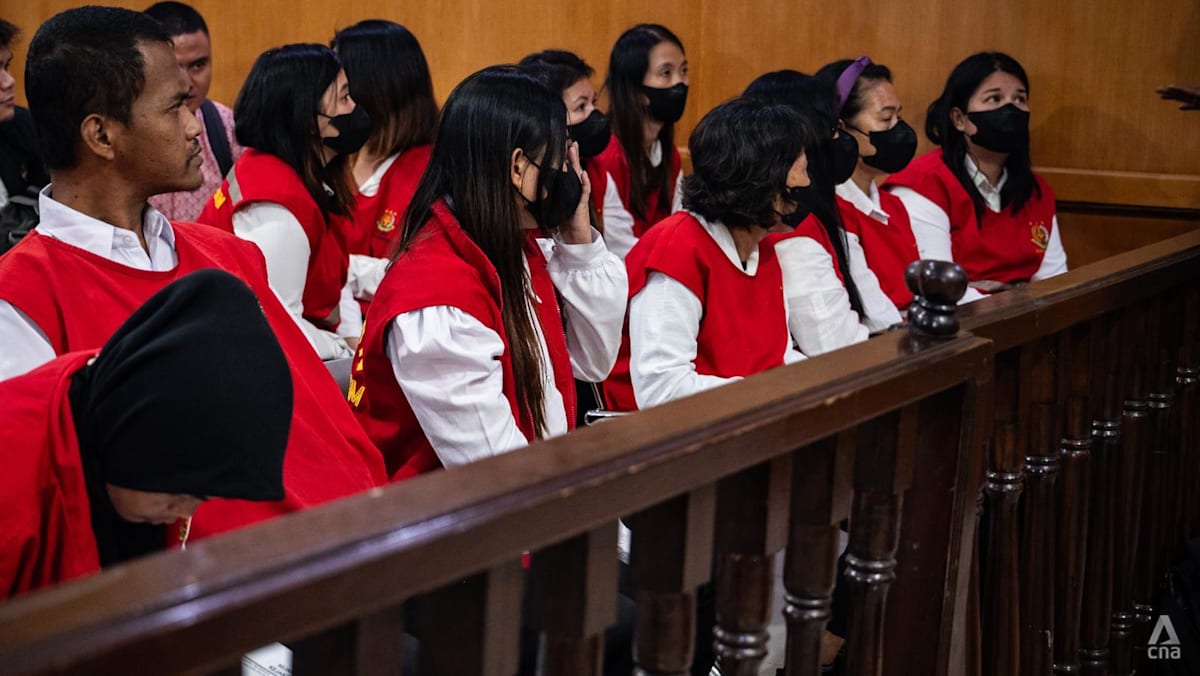
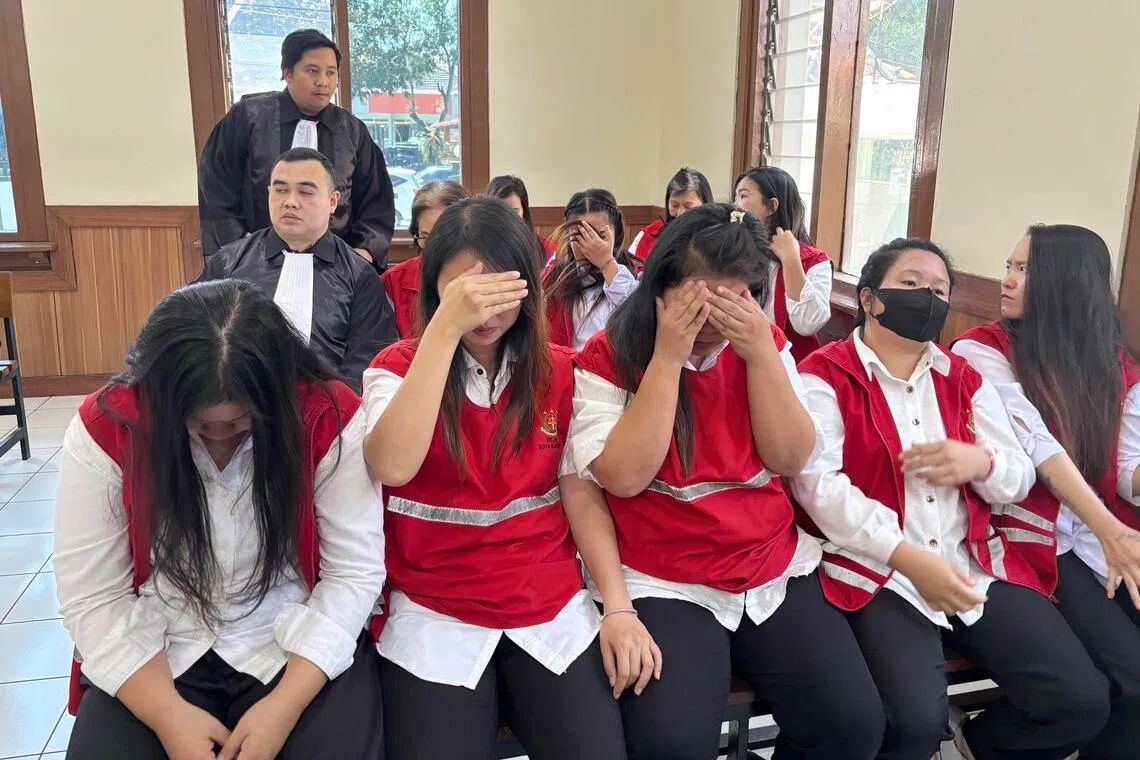
On June 30, 2026, prosecutors at the Bandung District Court in West Java requested prison terms of up to 10 years for 19 defendants—18 women and one man—alleged to be part of a sophisticated cross-border baby trafficking ring. The prosecution argued that the group, active between 2023 and 2025, exploited vulnerable families in Indonesia to source infants for illegal adoption, according to The Star.
The primary target of the prosecution is 70-year-old Lie Siu Luan, also known as Lily or Popo. Investigators describe her as the mastermind who coordinated recruitment, falsified state documents, and arranged for infants to be flown directly to Singapore. Prosecutors also sought 10-year sentences for alleged recruiters Astri Fitrinika, Djaka Hamdani, and Elin, along with Lai Su Hua, who is accused of state document forgery. The remaining 14 defendants, who allegedly served as caretakers, face five-year prison demands.
Legal representatives for the accused have challenged the state’s characterization of the case. Dr. Sendi Sanjaya, representing Lie, stated that his client acted in good faith with parental consent and rejected the notion that the infants were exploited, noting that the children were healthy and their locations were known, as reported by CNA. Meanwhile, Astri’s lawyer, Hendri Samuel Tampubolon, argued that the prosecution’s sentencing demand failed to distinguish between the mastermind and those acting under her control.
The Trafficking Pipeline and Financial Stakes
Photo: Batam News Asia
The syndicate’s operations relied on systematic deception. According to Senior Commissioner Ade Sapari, director of special crimes at the West Java police, the group preyed on families struggling with poverty, offering between 10 million and 20 million rupiah (approximately S$1,500) to surrender their newborns. Investigators found that the traffickers used sham birth certificates to add babies to family cards, which were then used to obtain passports, as detailed by The Straits Times.
Wealthy adoptive parents in Singapore were billed significantly higher amounts. While the birth parents received minimal compensation, total costs—covering childbirth, childcare, and agency fees—often exceeded S$20,000 per child. In one instance, a couple reported paying S$37,000, with half designated for adoption agents in Singapore and Indonesia, and a S$3,000 “token sum” paid to the birth mother, according to AsiaOne.
Impact on Singaporean Adoptive Families
10-year jail sentence sought for female Indonesian militant
For many Singaporean couples, the investigation has created a state of profound uncertainty. Parents who completed the Ministry of Social and Family Development’s (MSF) adoption process have found themselves caught in the middle of a criminal probe. One couple, Sam and Jo, described their shock after being informed by the Immigration and Checkpoints Authority (ICA) and MSF that citizenship applications for adopted children from Indonesia were being held indefinitely, as noted by BBC.
Lawmakers in Singapore have addressed the issue in Parliament, emphasizing that many parents are “innocent parties that have done every step in accordance with the law.” However, the government maintains that adoption agencies bear the responsibility for ensuring children originate from “appropriate sources.”
“We are working closely across the relevant authorities to ensure that the cases are dealt with as expeditiously as we can, and to safeguard the welfare and interests of the children,” said the Ministry for Social and Family Development and the Ministry of Home Affairs in a joint statement.
Regulatory Scrutiny and Future Oversight
The scandal has forced a broader review of Singapore’s adoption landscape. Officials have pledged to conduct a formal review of current adoption processes to prevent future exploitation. Minister of State for Social and Family Development Goh Pei Ming stated that agencies found to be knowingly facilitating the entry of children with suspicious backgrounds will be “taken to task,” according to AsiaOne.
As the trial in Bandung continues, the resolution of these cases remains tethered to the cooperation between Indonesian and Singaporean authorities. The defendants are expected to present their formal defenses next week, a pivotal moment that will determine the legal outcome for the alleged ringleader and the future of the children caught within this cross-border network.