
U.S. Central Command Launches Strikes on Iran Following Strait of Hormuz Attacks
U.S. Central Command (CENTCOM) forces have initiated a new round of strikes against Iranian targets, an escalation aimed at protecting freedom of navigation in the Strait of Hormuz. The military action follows a series of attacks on three oil tankers transiting the vital waterway earlier this week.
President Donald Trump, speaking at a NATO summit in Turkey, declared that a 14-page memorandum of understanding (MoU) signed last month between Washington and Tehran—intended to extend a ceasefire and end the conflict—is now “over.”
“This is in retribution for yesterday’s bombing of ships by Iran,” President Trump wrote on his Truth Social platform. “If it happens again, it will get much worse!”
Military Targets and Regional Impact
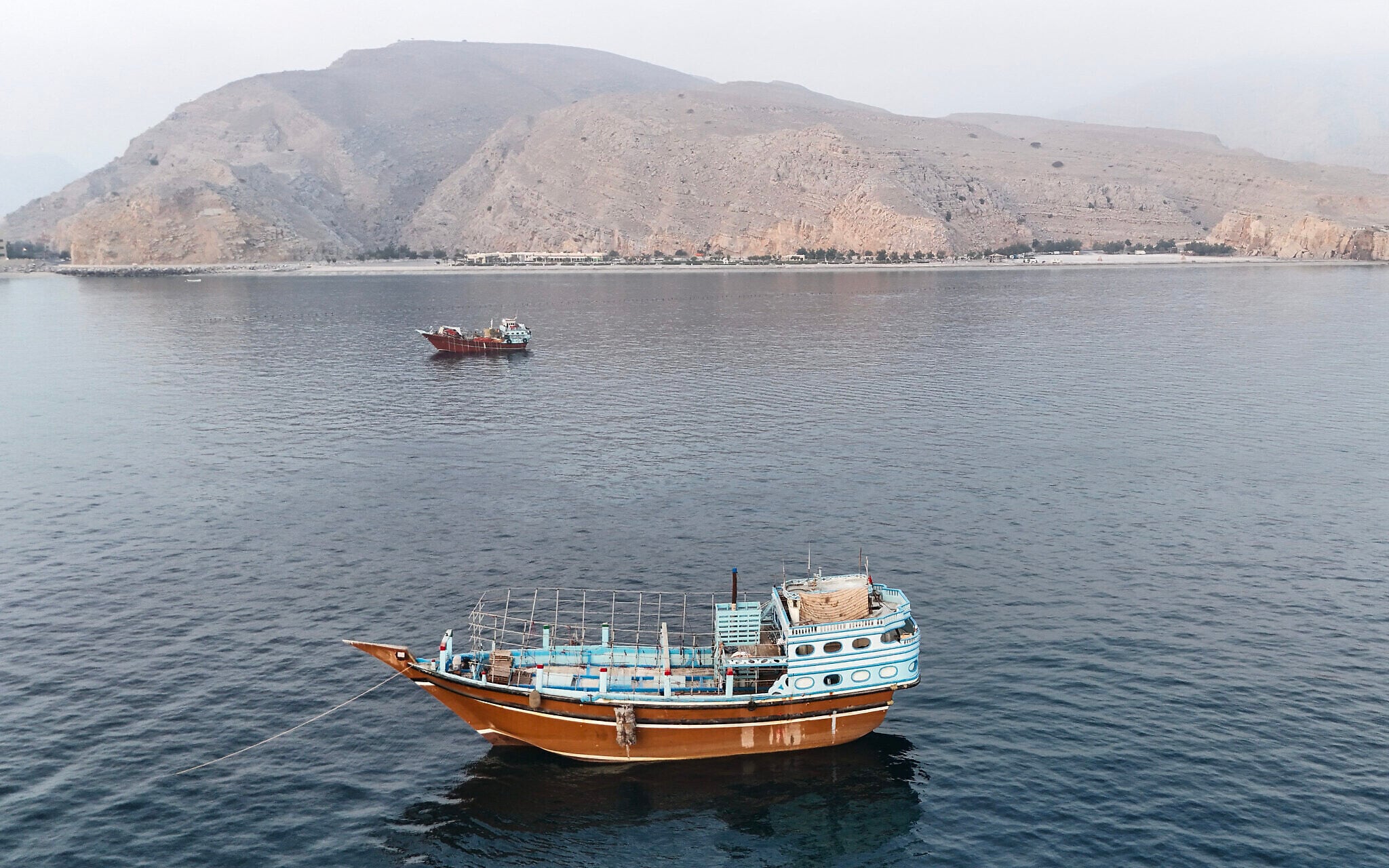
The U.S. military reported hitting more than 80 targets during the initial phase of the operation, including over 60 small boats belonging to the Islamic Revolutionary Guard Corps (IRGC). Subsequent strikes on Wednesday targeted infrastructure across Iran’s southern coast, affecting cities such as Bandar Abbas, Sirik, Jask, Konarak, and Chabahar.
Iranian state media reported that the strikes resulted in power outages in Chabahar, damage to a maritime traffic control tower, and a fire at an IRGC barracks in Bushehr. Explosions were also reported on the island of Abu Musa.
In response to the U.S. operations, Iran stated it had targeted U.S. military sites in Bahrain and Kuwait. Iranian Foreign Minister Abbas Araghchi labeled the U.S. strikes a “flagrant violation” of the memorandum of understanding and warned that Iran would not hesitate to defend its national security, threatening to target the “source and point of origin” of any attacks.
Stakes for Global Shipping and Energy
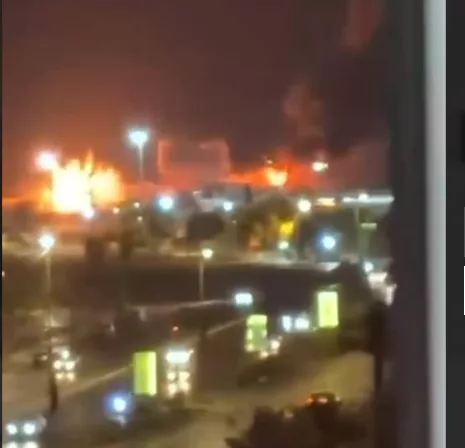
The Strait of Hormuz is a critical global shipping route, through which approximately one-fifth of the world’s oil supplies passed prior to the conflict. The waterway has been a central point of tension since the war between the U.S. and Iran began on February 28.
The recent incidents involved three tankers, including a Qatari liquefied natural gas (LNG) tanker named *Al-Rekayyat*. The British military’s maritime security agency, UKMTO, confirmed reports of tankers being struck by unknown Uncrewed Aerial Vehicles (UAVs). While no casualties were reported in the tanker attacks, the vessels sustained structural damage.
The renewed fighting has impacted global energy markets. Benchmark oil prices rose by 5% on the day of the initial strikes, with Brent crude futures trading near $79.28 a barrel.
Diplomatic Breakdown
The latest escalation marks a collapse of the 60-day negotiation process that began with the June 17 memorandum. Before the summit in Turkey, President Trump expressed doubt regarding the potential for future deals. “I’m not sure I want to make a deal,” Trump told reporters. “Let’s just finish the job.”
While U.S. officials maintain that the strikes are necessary to degrade Iran’s ability to threaten maritime traffic, Iranian officials have suggested potential retaliatory measures. According to a spokesperson for the Iranian parliament’s National Security Commission, these options include withdrawing from the nuclear Non-Proliferation Treaty (NPT), altering Iran’s nuclear doctrine, and closing the Bab-el-Mandeb Strait.
Nato Chief Mark Rutte stated the U.S. strikes were “absolutely necessary,” accusing Iran of violating the ceasefire. Conversely, Iranian parliamentary speaker Mohammad Bagher Ghalibaf argued that the United States was responsible for breaching the truce.
Status of Recent Escalations
| Event | Status / Detail |
| :— | :— |
| MoU Ceasefire | President Trump declared the agreement “over.” |
| CENTCOM Strikes | Over 80 targets hit, including 60+ IRGC boats. |
| Tanker Attacks | Three ships struck in the Strait of Hormuz. |
| Retaliation | Iran reports targeting U.S. sites in Bahrain and Kuwait. |
| Oil Markets | Benchmark prices rose; Brent crude at ~$79.28. |
As of Wednesday, Iranian military sources affiliated with the country’s top security body indicated that Tehran is planning a “massive attack” on U.S. Army bases in the region in retaliation for the ongoing U.S. operations.
Find more reporting in our News section.

Worth a look
Pakistan Imposes Emergency and Governor’s Rule in Khyber Pakhtunkhwa
Pakistan declared a state of emergency in Khyber Pakhtunkhwa on Sunday, October 11, 2026, suspending the provincial government...

Abiy Ahmed Sworn In as Prime Minister With Focus on Red Sea Access
Prime Minister Abiy Ahmed was sworn into a new five-year term on Monday, October 5, 2026, following his...
Pope Leo XIV Rejects Death Penalty as Attack on Human Dignity
Pope Leo XIV has rejected the death penalty as an attack on human dignity, posting on X that...
SpaceX Launches 21 U.S. Space Force Satellites After Delay
Following a five-day delay from an earlier countdown abort, a SpaceX Falcon 9 rocket successfully launched 21 data...