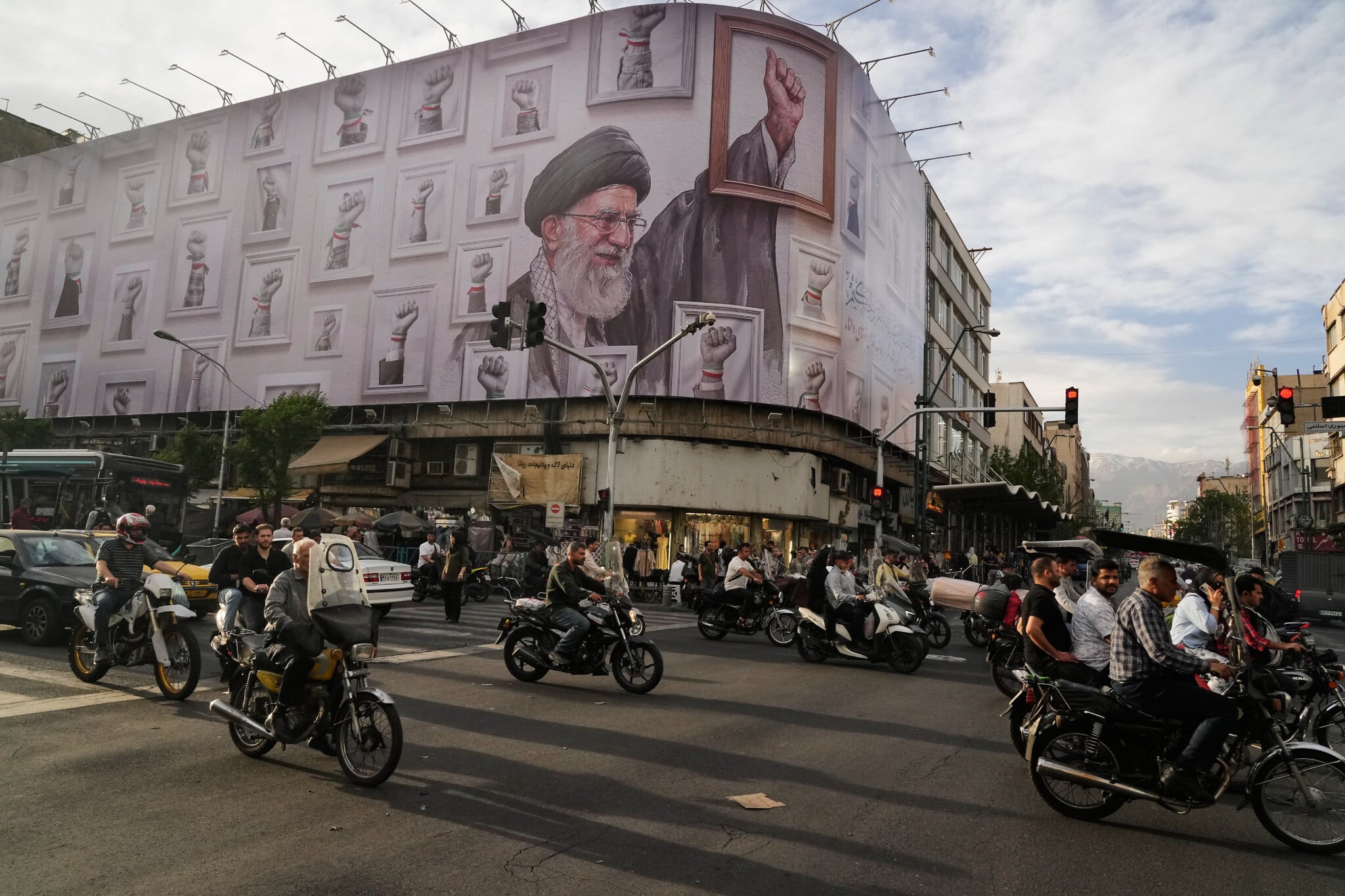
US and Iranian forces exchanged fire in the Strait of Hormuz on Thursday, July 9, 2026, marking the most significant escalation since a month-long ceasefire began. While President Donald Trump insisted the truce remains intact, the skirmishes—involving missiles, drones, and naval assets—have reignited concerns over global energy supplies and the viability of ongoing peace negotiations.
Operational Clash in the Waterway
The latest flare-up occurred when the US military targeted sites in Iran it identified as responsible for attacking three US destroyers—the USS Truxtun, USS Rafael Peralta, and USS Mason—transiting the waterway. According to US Central Command, no American assets were struck during the engagement, though US forces retaliated by destroying missile and drone launch sites, as well as command and control nodes.
Iran’s military, however, offered a conflicting account of the events. A spokesperson accused the US of breaching the ceasefire by targeting an oil tanker and striking civilian infrastructure near the coastal cities of Bandar Khamir, Sirik, and the island of Qeshm. Iranian officials claimed these strikes caused significant damage to US vessels, a contention that contrasts with the US military’s report of successful defensive actions. The United Arab Emirates also reported engaging two ballistic missiles and three drones launched by Iran, resulting in three injuries.
Diplomatic Maneuvers Amid Military Tensions
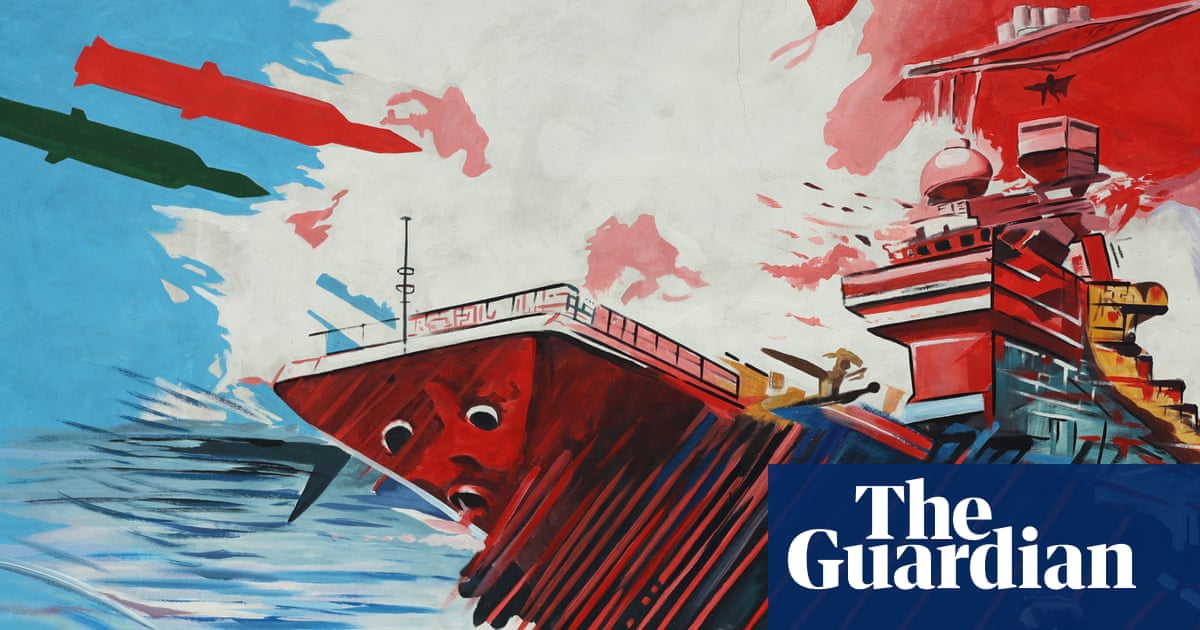
Despite the renewed violence, diplomatic channels remain precariously open. President Trump characterized the exchange as a “love tap” in an interview with the Guardian, maintaining that a negotiated deal might not happen, but it could happen any day. US Secretary of State Marco Rubio noted that Washington is currently awaiting a response from Tehran regarding a proposed interim agreement, which was delivered via Pakistani mediators.
Analysts suggest that Iran’s leadership, currently navigating a post-Khamenei power structure dominated by the Islamic Revolutionary Guard Corps, views control of the Strait of Hormuz as a critical lever. By restricting traffic, Tehran aims to force better terms from Washington. “They want to extract concessions because of their improved hand,” said Sanam Vakil, director of the Middle East and North Africa Programme at Chatham House, as reported by AFP.
Global Economic Consequences of Regional Instability

The strait remains a vital energy artery, through which approximately 20 percent of the world’s oil consumption passes annually. The ongoing volatility has driven oil prices to roughly $101 a barrel. While Iran’s parliamentary speaker, Mohammad Bagher Ghalibaf, has positioned himself as the frontman for negotiations, experts warn that the regime risks alienating its own population and exhausting its strategic position by dragging out the conflict.
Thomas Juneau, a professor at Ottawa University, told Asia Financial that the Iranian leadership is “entirely willing to absorb significant economic pain if it means waiting out Trump.” However, this strategy faces mounting internal pressure due to a struggling economy and damage from US-Israeli strikes. Arash Azizi, a lecturer at Yale University, described the regime’s reliance on the “Hormuz lever” as “a bit delusional,” suggesting it could backfire by provoking a more decisive military response from Washington or Israel.
Pentagon Posture and Future Outlook
As the US continues to move assets into the region, including the USS Tripoli and the USS Boxer, the Pentagon is reportedly evaluating a range of options. These include potential seizures of Iranian uranium stockpiles or operations to secure Kharg Island, a key terminal for Iran’s oil exports. Rosemary Kelanic, director of the Middle East Program at Defense Priorities, noted that while the administration’s messaging has been mixed, the continued surge of forces suggests “there is still a real chance of escalation,” as reported by ABC News.
The conflict now hinges on whether the current diplomatic overtures can gain traction before the parties are pulled into a wider confrontation. With the US midterm elections approaching and Iran’s leadership remaining ideologically entrenched, the window for a stable, negotiated outcome appears to be narrowing, leaving the Strait of Hormuz as the central point of failure for both nations.
Find more reporting in our News section.

Worth a look
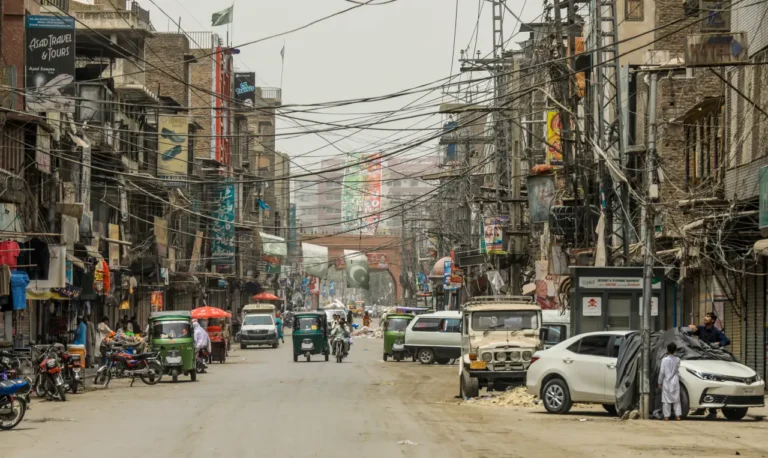
Pakistan Imposes Emergency and Governor’s Rule in Khyber Pakhtunkhwa
Pakistan declared a state of emergency in Khyber Pakhtunkhwa on Sunday, October 11, 2026, suspending the provincial government...
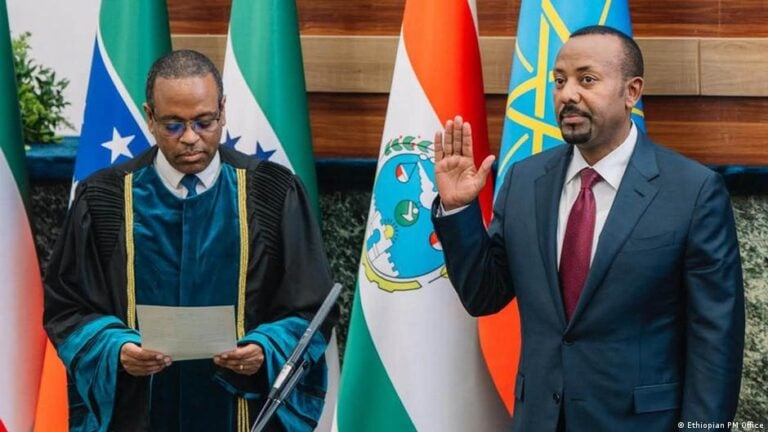
Abiy Ahmed Sworn In as Prime Minister With Focus on Red Sea Access
Prime Minister Abiy Ahmed was sworn into a new five-year term on Monday, October 5, 2026, following his...
Pope Leo XIV Rejects Death Penalty as Attack on Human Dignity
Pope Leo XIV has rejected the death penalty as an attack on human dignity, posting on X that...
SpaceX Launches 21 U.S. Space Force Satellites After Delay
Following a five-day delay from an earlier countdown abort, a SpaceX Falcon 9 rocket successfully launched 21 data...