
The University of Georgia’s Victoria Kay Ivester School of Nursing is preparing to welcome its inaugural class of 120 students across the Fall 2027 and Spring 2028 semesters into its full-time, in-person Bachelor of Science in Nursing (BSN) program.
The BSN is structured as an upper-division program consisting of 60 credits of nursing coursework delivered over four semesters. Students joining this first cohort will help establish the community traditions that future Bulldog nurses inherit.
The curriculum incorporates 570 hours of direct patient care, 120 hours of simulation, and 30 hours of service learning. Students build clinical judgment and nursing knowledge through coursework, simulations, service learning, and patient care experiences of increasing complexity.
The four-semester program follows a specific progression:
- Semester 1 — Foundations of Nursing Practice: Students build core skills, learn lifespan patient assessment, study how illness affects the body and how nutrition supports health, and examine professional ethics. Learning is applied in skills labs and an initial clinical experience.
- Semester 2 — Adult and Pediatric Nursing: Coursework and clinicals cover the care of adults, older adults, children, and adolescents, alongside studies of medication use and methods for improving care safety and quality.
- Semester 3 — Nursing Across Care Settings: Students explore maternity and women’s health, behavioral health, and outpatient or community nursing, while learning how to apply research and evidence to patient care.
- Semester 4 — Transition to Professional Practice: The final term focuses on complex patient needs, population and public health, and nursing leadership for older adults, culminating in a 120-hour transition-to-practice clinical experience.
Unique components of the program include learning across Georgia through supervised patient care in hospitals and community settings, as well as an ambulatory care focus that covers primary care clinics and specialty practices alongside hospitals. Students also practice procedures in skills labs and work through realistic patient scenarios using high-fidelity simulations.
The program features a nurse leader shadowing component in the final semester. Students have opportunities to shadow chief nursing officers and directors of practice to observe firsthand how they support nursing teams and enhance patient care.
Keep reading

P2P Cheyenne Shootout Youth Wrestling Tournament Set for Dec. 5 in Wyoming
Youth wrestlers will hit the mats in Wyoming on Saturday, December 5, 2026, for the P2P – Cheyenne...
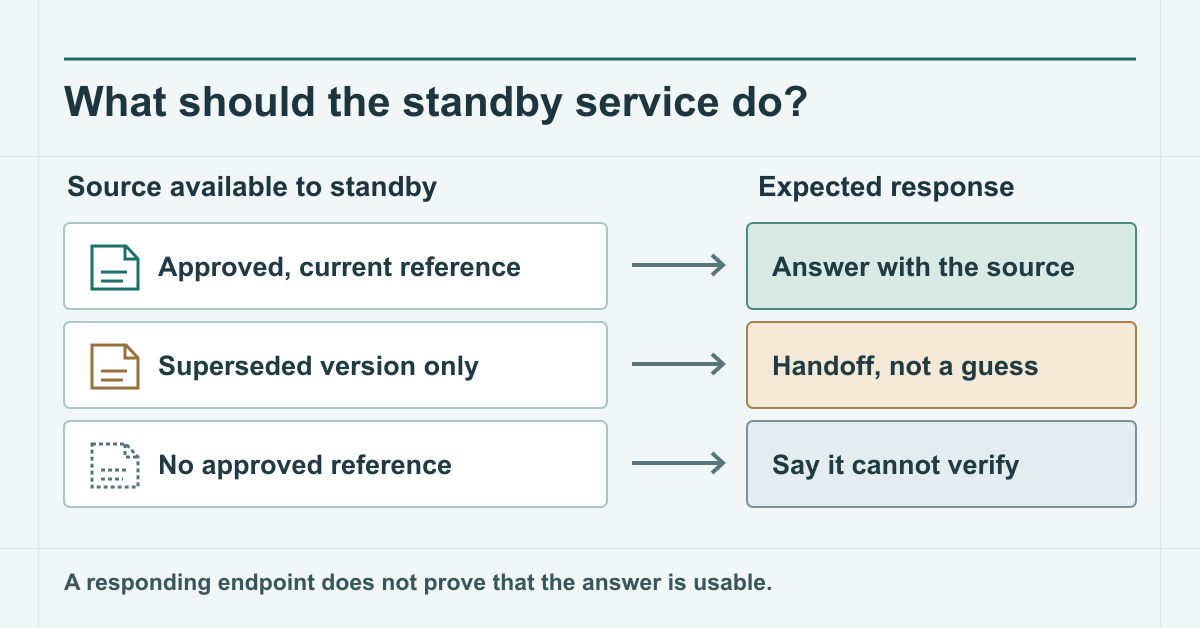
Percepture: Testing Standby AI Inference Requires Validating Answers, Not Just Endpoints
Organizations testing standby AI inference services can discover that functional endpoint responses often mask underlying failures, such as...

Puro.earth Issues 280,449 CO₂ Removal Certificates to ADM for Nebraska CCS Project
Helsinki-based carbon crediting platform Puro.earth issued 280,449 CO₂ Removal Certificates to agricultural processor ADM for its Columbus CCS...

Aubameyang Relishes Barcelona Reunion, Says He Likes High Defensive Lines
Pierre-Erik Aubameyang is relishing a sentimental yet high-stakes reunion with his former club Barcelona this weekend at the...