Landowners in North Dakota are challenging federal conservation agreements and drainage rules that restrict agricultural management on inherited properties.
On November 23, 2026, approximately 200 people attended a town hall in Jamestown organized by U.S. Sen. Kevin Cramer, where Interior Secretary Doug Burgum and other federal officials heard concerns about historical wetland easements.
Many participants are descendants of families who signed conservation agreements in the 1960s. These arrangements provided financial compensation to previous owners in exchange for permanently protecting designated wetlands from drainage and other activities that could harm wildlife habitats.
North Dakota holds a disproportionate share of these federal commitments, accounting for more than 16,000 federal wetland easements, representing over half of the agreements under discussion, according to Cramer. Another 30% are located in neighboring South Dakota. Farmers argue that unclear boundaries and incomplete historical records make it difficult to manage agricultural land today.
Ryan Pederson, who farms in Rolette County, called signing a conservation agreement with the federal government the “greatest single mistake” that ancestors of North Dakota landowners ever made. Pederson told Burgum, a former governor of North Dakota, “it is your mistake to have to deal with.”
The dispute intensified following a May 2024 U.S. Fish and Wildlife Service regulation that formalized site-specific setback distances for installing underground drainage pipes, or drain tile, near protected wetlands. Farmers use drain tile to remove excess moisture during planting and harvesting, but rules restricting these systems can limit agricultural activities beyond the terms of original agreements.

During the Jamestown meeting, landowners presented maps showing individual wetlands measuring less than an acre, and sometimes less than one-tenth of an acre. Burgum said that land affected by drainage setbacks can sometimes exceed five times the area originally covered by an easement.
Cramer argued that small wetlands often no longer hold water and instead accumulate salt deposits, reducing their usefulness for farming and wildlife. “There are no ducks on saline divots,” Cramer said.
Not all participants agreed on reducing protections. Retired ecologist Jill Shaffer told the gathering that seasonal wetlands and habitats measuring less than an acre provide vital resources for ducks and other wildlife. “They are your everything,” Shaffer said.
To address mapping concerns, the Interior Department announced an expansion of its wetland easement review program on September 22, 2026, focusing on agreements established before 1976. Federal officials have met with 18 landowners — 17 from North Dakota and one from South Dakota — to discuss potential map adjustments that maintain overall waterfowl easement protections.
As junior United States senator from North Dakota since 2019, Kevin Cramer holds federal legislative authority rather than administrative power to modify or terminate wetland easements, which are overseen by the Department of the Interior. The supplied biographical pages note his legislative record across his congressional service, though they detail no specific bills or legislative actions he has introduced regarding federal conservation agreements or drainage rules.
Broader regulatory changes remain on hold. On August 14, 2026, the Fish and Wildlife Service announced no immediate changes to its drainage setback process while reviewing feedback from more than 200,000 commenters. U.S. Sen. John Hoeven indicated that resolving the dispute may require congressional action or legal challenges if administrative efforts fall short.
Worth a look

P2P Cheyenne Shootout Youth Wrestling Tournament Set for Dec. 5 in Wyoming
Youth wrestlers will hit the mats in Wyoming on Saturday, December 5, 2026, for the P2P – Cheyenne...
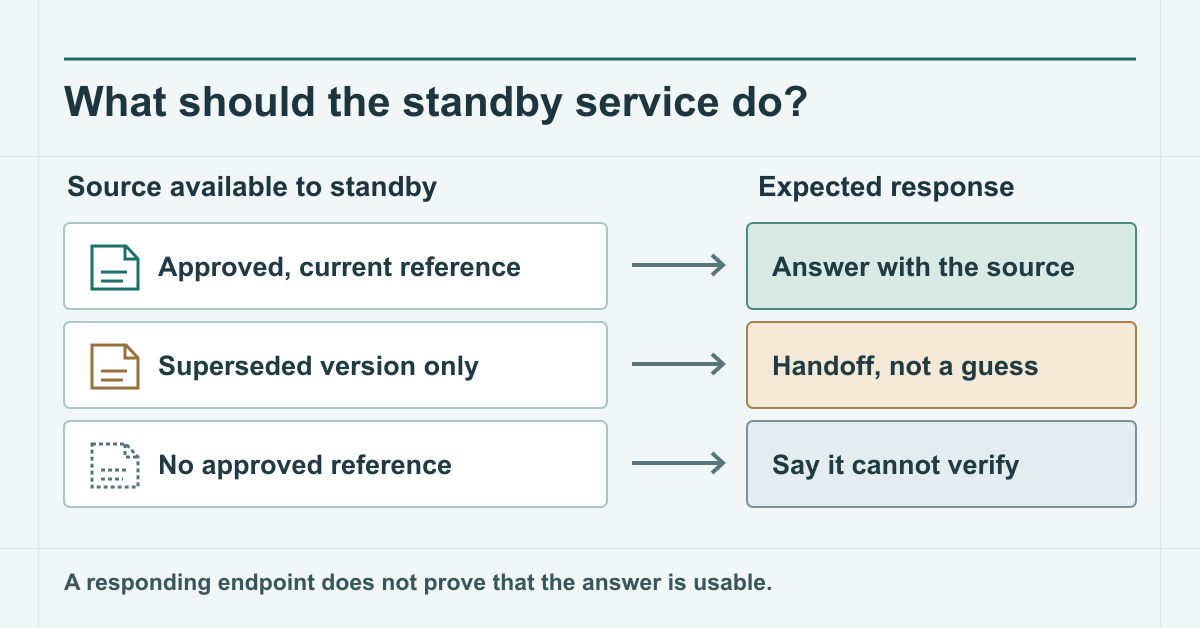
Percepture: Testing Standby AI Inference Requires Validating Answers, Not Just Endpoints
Organizations testing standby AI inference services can discover that functional endpoint responses often mask underlying failures, such as...

Puro.earth Issues 280,449 CO₂ Removal Certificates to ADM for Nebraska CCS Project
Helsinki-based carbon crediting platform Puro.earth issued 280,449 CO₂ Removal Certificates to agricultural processor ADM for its Columbus CCS...

Aubameyang Relishes Barcelona Reunion, Says He Likes High Defensive Lines
Pierre-Erik Aubameyang is relishing a sentimental yet high-stakes reunion with his former club Barcelona this weekend at the...