
Milwaukee’s Long Night of Celebration Marks the Rise of a New Baseball Power
The beer was cold, the champagne stung the eyes, and fifty-seven years of waiting dissolved into the St. Petersburg night. When the Milwaukee Brewers closed out a 4-1 victory against the Tampa Bay Rays to capture the 2026 World Series in five games, according to USA Today, the clubhouse celebration looked less like a traditional sports victory and more like an unbridled fraternity party.
For a franchise that tasted bitter defeat in the fall classic back in 1982, the breakthrough carried a profound emotional weight. Hall of Famer Robin Yount embraced anyone he could find on the field, acknowledging that the victory finally took the enduring sting out of a heartbreaking Game 7 loss nearly four decades ago. Captain Christian Yelich admitted he completely blacked out when the final out was recorded, looking up at a stadium filled with Milwaukee fans and realizing a lifelong cinematic moment had just played out in real life.
Yet, while the confetti still clung to the hair of exhausted players, the architects of this championship made it clear that a single title is merely the opening chapter.
The Front Office Perspective and the Offseason Grind
While the team’s veterans and alumni soaked in the euphoria, Brewers president of baseball operations Matt Arnold was already looking past the upcoming Friday parade expected to draw 400,000 fans to Milwaukee. Asked if he planned to enjoy the moment, Arnold didn’t crack a smile. He pointed out that the offseason starts immediately and other teams are already hunting them down.
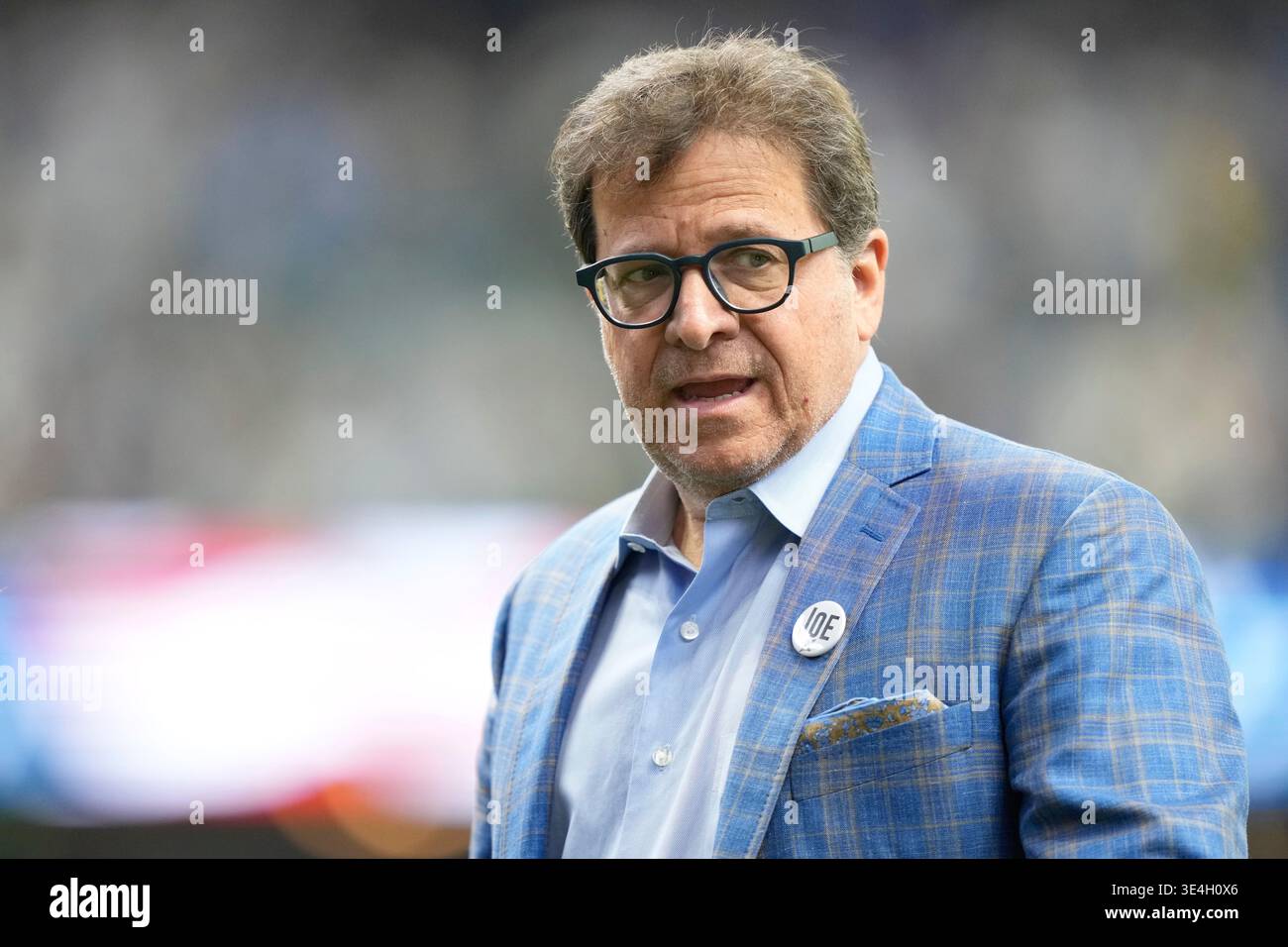
Owner Mark Attanasio noted that the franchise brought in roughly an extra $25 million in postseason revenue alongside soaring merchandise sales and rising ticket demand. Yet the financial strategy driving this team relies on calculated, aggressive risks rather than reckless spending. Unlike rival organizations burdened by massive payrolls and aging superstars, the Brewers secured their core through long-term commitments without locking themselves into a single player guaranteed $100 million.
Outfielder Jackson Chourio is signed through 2033 on an eight-year, $82 million contract. Rookie sensation Cooper Pratt, who became the first rookie in World Series history to produce six consecutive hits, inked an eight-year, $50.75 million deal in spring training. Outfielder Luis Lara is locked into a seven-year, $31 million agreement.
Youth, Depth, and the Path Ahead
The age profile of the roster explains why rival executives view Milwaukee’s rise with unease. World Series MVP William Contreras is 28 years old, right in his peak athletic window. Center fielder Garrett Mitchell is also 28, while infielder Brice Turang is 26. Cy Young winner and Game 5 closer Jacob Misiorowski is just 24, and rookie standout Pratt is 22.

This demographic advantage pairs with a farm system that consistently replenishes talent without requiring a complete teardown. The National League Central has belonged to Milwaukee lately, with four division titles in the last five years. Sweeping the Dodgers with a payroll nearly $300 [million] more than their own proved that player development, defensive execution, and high-velocity pitching can dismantle conventional roster-building models across the league.
As the team packs its bags to bring the Commissioner’s Trophy back to Wisconsin, the rest of baseball faces an uncomfortable reality. The celebration in St. Petersburg was loud and long, but the quiet work behind the scenes has already resumed.
Worth a look

Cheyenne South won’t play varsity football in 2027 – Wyoming Tribune Eagle
Cheyenne South High School will bench its varsity football program for the entire 2027 season, dropping down to...

John W. Robinson Obituary (2026) – Warren, OH – Behm Family Funeral Homes – Legacy
John W. Robinson, an 83-year-old resident of Warren, Ohio, whose life spanned three decades of highway patrol service...
Step Back in Time in West Virginia’s Best-Preserved Victorian Town
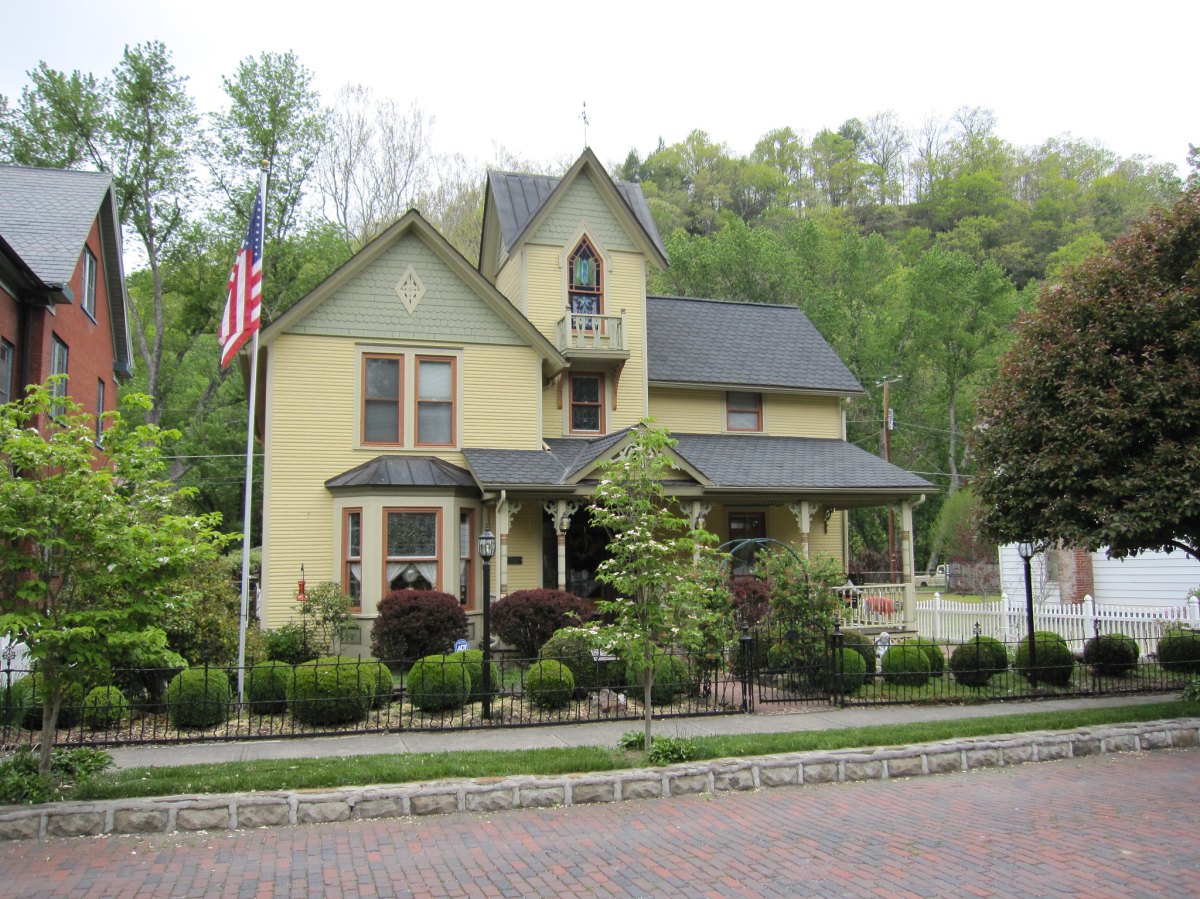
Tucked Along the Bluestone River, a West Virginia Mountain Town Preserves Its Gilded Age Architecture When travelers picture...
Washington’s 11 Most Laid-Back Towns – World Atlas
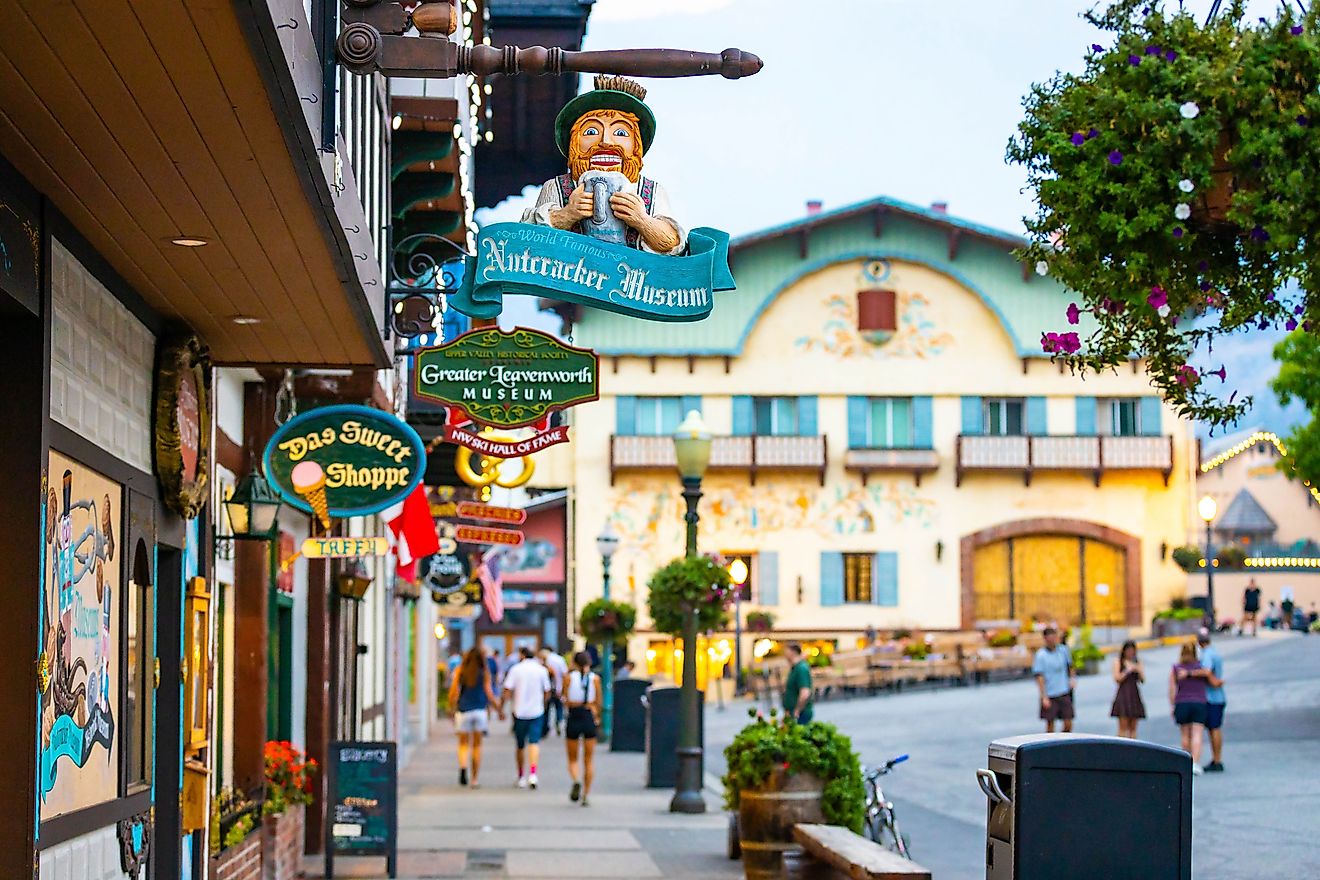
Trading Packed Itineraries for Penn Cove Mussels and Mountain Air Visitors can easily spend a whole afternoon in...