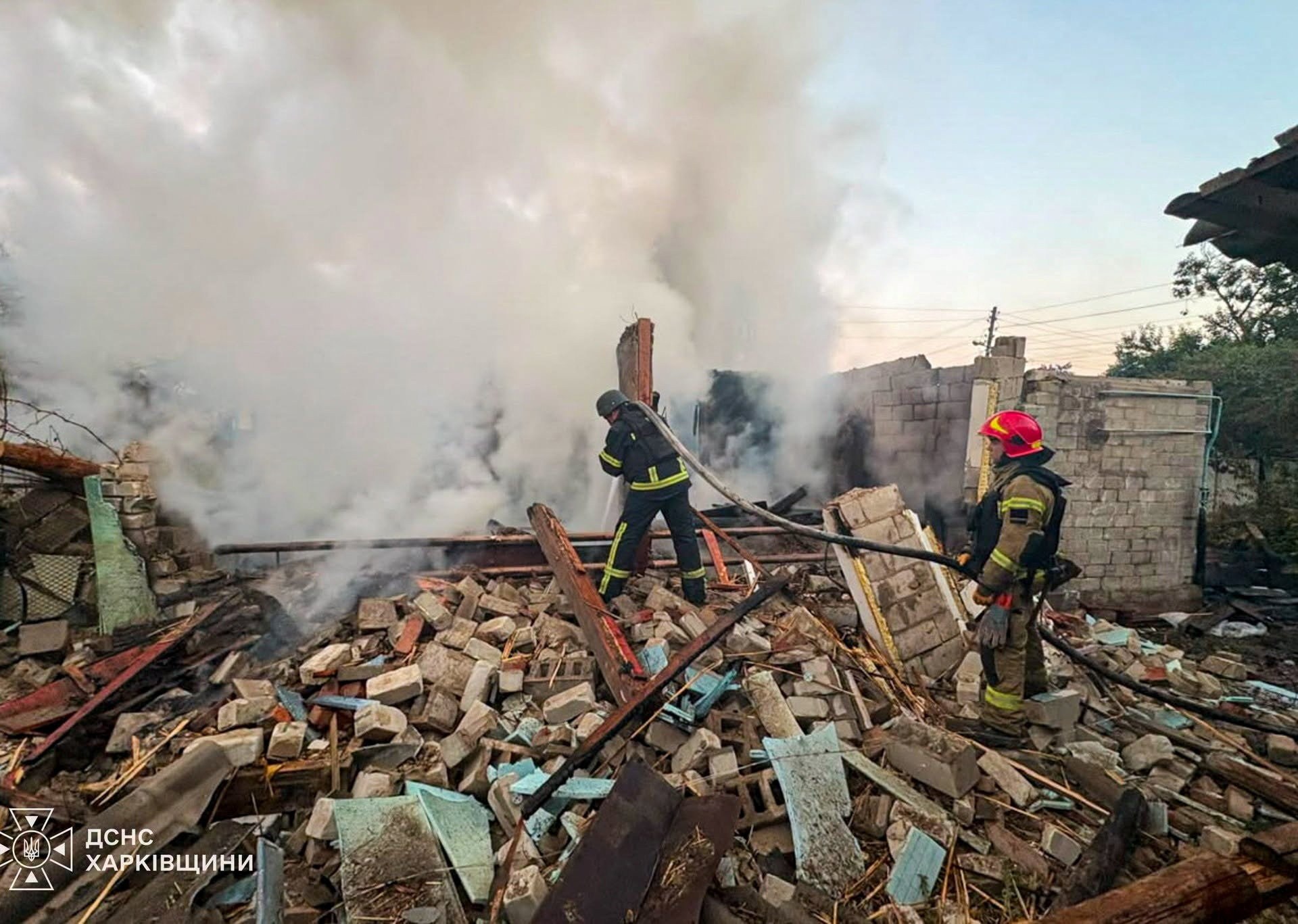
Russian strikes hit three locations near Kyiv on Saturday, killing three people including a child, as explosions rocked the capital. The attack coincides with a deepening shortage of air defense interceptors, growing warnings from local officials about incoming ballistic missiles, and a new US Senate sanctions package targeting Russian energy exports.
Ballistic Missile Strikes Hit Boryspil District and Capital
Russian strikes on Saturday killed three people, including a child, in the region surrounding the Ukrainian capital, according to regional officials. Tymur Tkachenko, head of the Kyiv regional administration, reported that the attacks struck three distinct locations in the Boryspil district near Kyiv. Three other people sustained injuries in the bombardment, which damaged local houses and vehicles and sparked a fire in a non-residential building.
Air Defense Shortages and Depleted Interceptor Stockpiles
The latest casualties underscore a widening gap between Moscow’s strike capabilities and Ukraine’s dwindling air defenses. Ukrainian defenders face severe shortages of interceptors capable of reliably intercepting ballistic missiles, which travel at multiples of the speed of sound and offer only seconds of warning. United States-supplied Patriot systems remain the primary deterrent against these high-speed weapons, but global stockpiles have tightened significantly. Earlier in the week, President Volodymyr Zelenskyy stated that Ukraine received only a third as many air defense missiles in the first half of this year compared to the same period in 2025, attributing the shortfall to the US-Israel war on Iran. Zelenskyy warned that delays in receiving anti-ballistic systems lead to horrific casualties and destruction
and argued that having a stronger interceptor capability could have saved lives
during recent assaults.
Cross-Border Operations and Diplomatic Travel
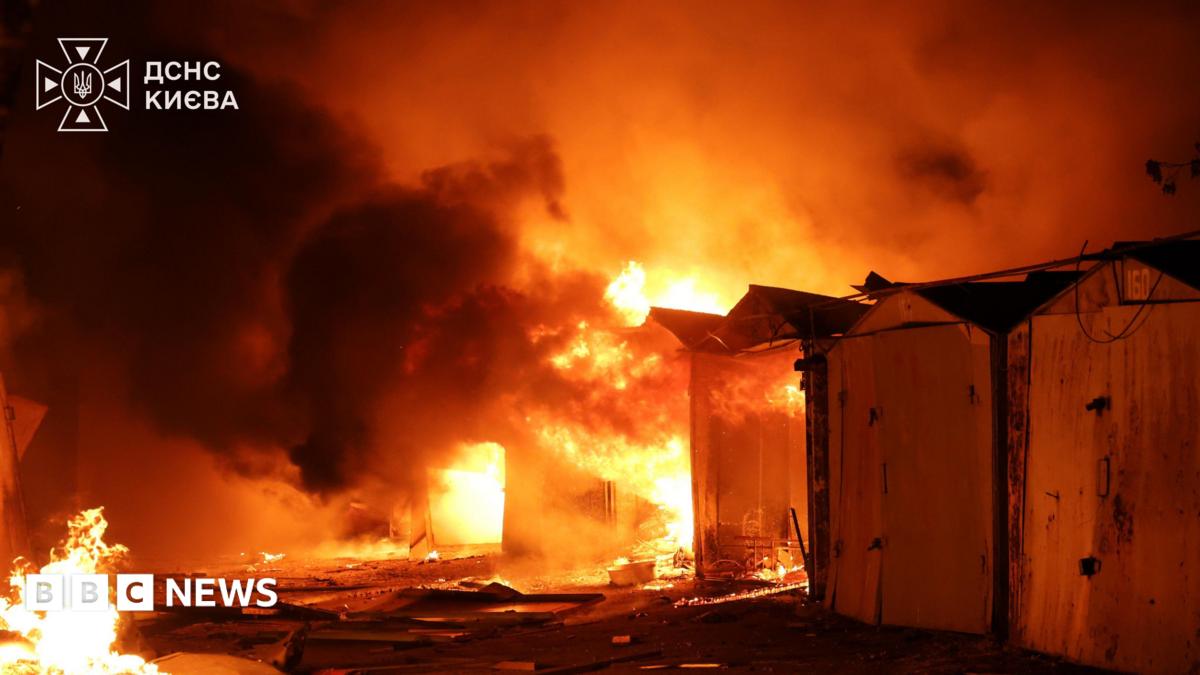
As domestic bombardment intensifies, Ukrainian forces have expanded long-range drone and missile strikes deep inside Russian territory. Over the preceding 24 hours, Ukraine targeted two oil refineries within Russia and launched long-range drones at a warehouse operated by the online retailer Wildberries in Ekaterinburg. Officials in Kyiv describe these logistics strikes as an intentional effort to curb the oil revenues that finance Moscow’s military operations. Meanwhile, President Zelenskyy traveled to the Serbian capital of Belgrade to build broader international support, though Serbian President Aleksandar Vučić has maintained a refusal to apply sanctions against Russia.

US Senate Advances Sweeping Russian Energy Sanctions
Amid the ongoing strikes, legislative action in the United States moved forward on Friday as the US Senate passed a sweeping new sanctions bill targeting Russian energy exports. Approved by an 86-11 vote, the legislation includes 100 percent tariffs on countries that continue purchasing Russian oil and gas. The bill was named after the late US Senator Lindsey Graham. To become law, the measure requires approval from the House of Representatives and a signature from President Donald Trump. European Commission President Ursula von der Leyen welcomed the legislative step, stating it would help drain Russia’s means to continue a war it cannot win
.
Donald Trump Made Over 1,100 Stock and Bond Trades Worth Up to $270 Million in July
President Donald Trump executed over 1,100 stock and bond transactions in July, totaling between $79 million and $270...

Kenya to Pioneer Masterkey Digital Platform for Portable Skills
President William Ruto announced that Kenya will lead the first national implementation of Masterkey, a digital platform designed...

Israel Football Association Condemns Heimir Hallgrímsson’s Genocide Remarks
The Israel Football Association has condemned Republic of Ireland manager Heimir Hallgrímsson’s remarks connecting their upcoming Nations League...
Somalia Confirms Uranium and Lithium Deposits to Attract Investment
President Hassan Sheikh Mohamud announced that deposits of uranium, lithium, and cobalt have been confirmed in Somalia, adding...