
Iran used Elon Musk’s Starlink satellite service to help wage attacks against the United States during the early days of the conflict in March 2026, according to a Washington Post report.
The classified intelligence, shared with Defense Secretary Pete Hegseth, described Iran using Starlink for command-and-control communications and to oversee attack drone operations after the U.S. targeted traditional Iranian military communication systems. The revelation came amid escalating tensions, with both the U.S. and Israel launching strikes against Iran and Tehran retaliating with attacks on U.S. bases in the region.
Musk’s Reaction and Pentagon’s Response
The SpaceX CEO was reportedly “fuming” when he learned in March that Iran had been using the service. He formed a team to investigate the details after discovering the unauthorized use.
The Washington Post reported that at least two SpaceX executives were fired by the end of that week over these two incidents. According to one source, Musk was especially “infuriated” by the news about Iran using Starlink because two months earlier, in January, he had taken steps to block Russia from using Starlink terminals to power long-range drones.

In response to the Post’s inquiries, the Pentagon denied the existence of a Central Command report on the subject. “We are not aware of the existence of a Central Command report to (Hegseth) pertaining to this subject,” said Pentagon spokesperson Kingsley Wilson, according to The Jerusalem Post. Wilson also declined to comment on whether Iran had used Starlink in its military operations.
The Kuwait Attack and Starlink Restrictions
The reported use of Starlink coincided with a drone attack on a U.S. military facility in Port Shuaiba, Kuwait, on March 1, 2026, which killed six U.S. Army Reserve service members and wounded over 20. While sources claimed Iran used the service to coordinate one-way drones at the time, the Pentagon declined to comment on whether Starlink was used in that specific attack.

It is a violation of commercial Starlink terms of service to use the terminal for weapon systems. This applies to all users and is shut down when discovered. On March
Following the discovery, SpaceX moved quickly to tighten controls. In the weeks after the Port Shuaiba attack, the company required resellers to verify the identity of every customer buying a terminal and activating service. It also paused its Indirect Reseller Program, which had allowed sales through sub-resellers. A Starlink support page from April noted the old approach had “created compliance risk and reduced visibility into end customers.”
Government faces connectivity dilemma
Satellite industry executives told the Post that SpaceX could technically switch off terminals over Iran, but doing so would also cut off civilians and dissidents who rely on Starlink to circumvent government internet blackouts.
MLQ reported that unlike in Ukraine, where SpaceX limited service to terminals moving faster than about 70 km/h and worked with Kyiv on a whitelist, there is no trusted authority inside Iran to run such a list.
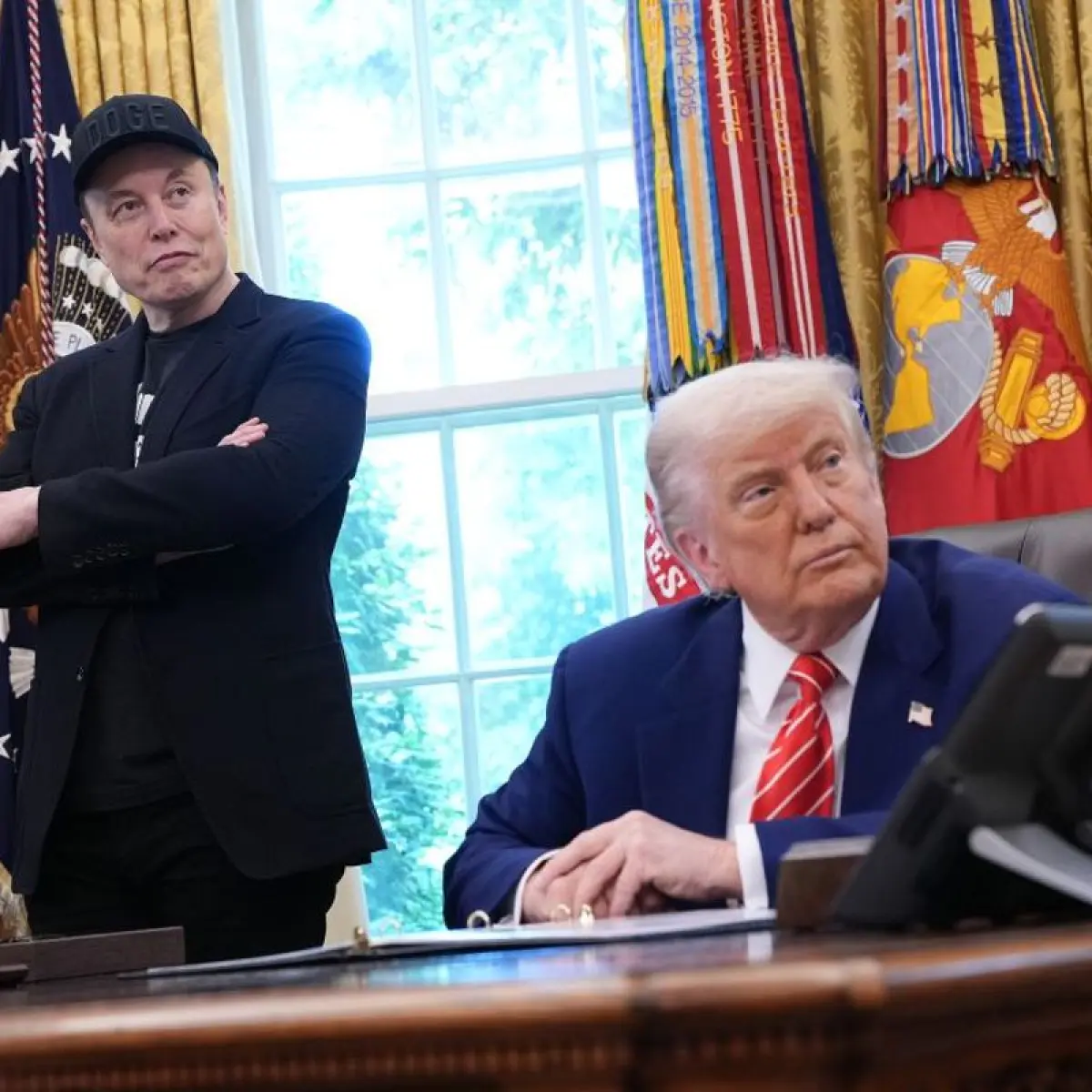
As Defense Secretary Pete Hegseth in 2025, he received classified intelligence detailing Iran’s use of Starlink for military operations after U.S. strikes targeted Iranian communication systems. During his earlier military career, Hegseth served as an infantry officer in the Minnesota Army National Guard from 2003 to 2006, including deployments to Guantanamo Bay, Iraq, and Afghanistan.
That open-source intelligence from social media and messaging app channels is important to understanding what’s happening on the ground because there is no U.S. Embassy in Tehran, and journalists cannot freely report inside the country.
Holly Dagres, senior fellow at the Washington Institute think tank, via Yahoo News
Holly Dagres, a senior fellow at the Washington Institute think tank, told the Post that “Internet and social media is the only way for Iranians to voice what’s happening inside the country.” She added, “My understanding is that the Trump administration doesn’t want to cut that connectivity for that very reason.” Musk had made Starlink connectivity available at no additional cost in January as a way to counter the government-imposed digital blackout.
Related reading
Burundi Backs Morocco’s Plan for Western Sahara Autonomy
Burundi reaffirmed its backing for Morocco’s territorial integrity and autonomy plan for Western Sahara on Thursday, 26 November...

US Military Repels Suspected Drones at RAF Lakenheath
Suspected Iranian drones swarmed RAF Lakenheath, prompting a shelter-in-place alert for U.S. personnel. The U.S.

ITLOS Rejects Argentina Bid to Halt Falklands Oil Drilling
An international tribunal in Hamburg voted 18–3 on Saturday to reject Argentina's request for emergency measures that would...

Norse Atlantic’s Norwegian Unit Files for Bankruptcy
Sustaining the business required hundreds of millions of additional dollars of liquidity that Spirit simply does not have...