
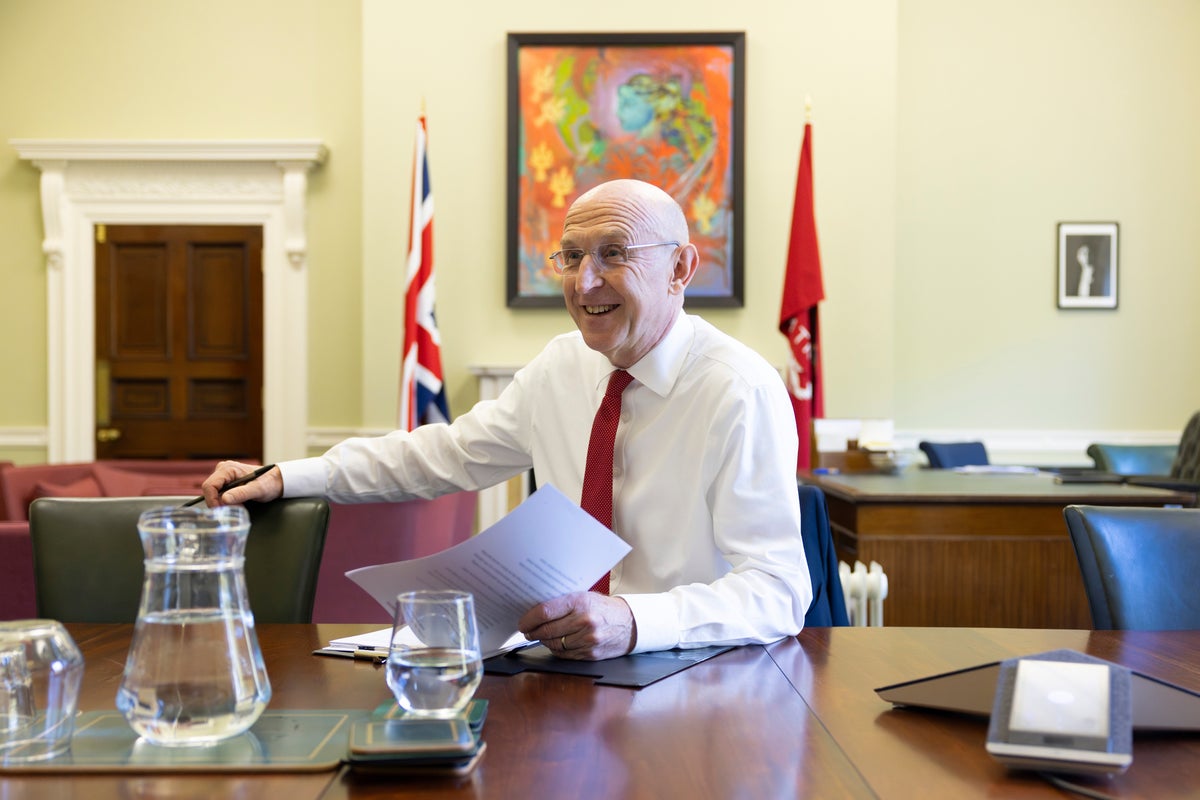
When John Healey steps up to the dispatch box on Wednesday to deliver his very first Budget, he will do so carrying a fiscal buffer that has quietly imploded from £24 billion down to roughly £12 billion.
For Prime Minister Andy Burnham’s newly minted government, the challenge is stark. Healey must balance the demands of the City against the pressing needs of households trapped in a high-cost economy. While the Independent noted that Healey released an eve-of-statement video promising “breathing space for today and fresh hope for the future,” financial markets remain intensely nervous about how he plans to plug the gap.
My Budget today will help families with the pressures they face now. It will back businesses and entrepreneurs, invest in Britain's future, and strengthen our national security.A plan to get through this moment and build a stronger Britain. pic.twitter.com/lSfzjWoiUv
Everyday Fixes and Targeted Relief for Households
The core of Wednesday’s announcement relies heavily on retail-friendly cost-of-living measures designed to appease voters. The Guardian detailed plans to extend parental pay to more than 150,000 additional parents annually, worth £388, while finally eliminating the carer’s allowance cliff-edge that penalizes unpaid carers for earning over a strict weekly limit. Shop prices are also slated for minor relief, with import tariffs removed from over 100 products including baked beans, chocolate, and gherkins.
Energy bills command an even larger slice of the intervention. Healey is expected to allocate more than £1bn to help vulnerable households, primarily by expanding the Warm Home Discount with an extra £100 tacked onto the existing £150 means-tested rebate, funded directly through taxation rather than billpayers. Reports suggest that officials have been ordered to examine scraping standing charges on gas bills entirely, a move projected to save individual households between £22 and £50 annually.
In Depth: Budget:UK economy defied low expectations even amid considerable global headwinds this year, registering 0.6%, 0.5%, and possibly heading higher in Q3 (vs independent forecasters predicting around 0.3% or lower in each quarter, a bit higher from OBR) … Sustaining…
First-time homebuyers will also see details of the “your first home” scheme, offering a 20% equity loan toward a new-build property with a minimum deposit of just 2.5%.
The City Stares Down a Bank Levy
To fund these pledges without breaking manifesto commitments not to raise income tax, National Insurance, or VAT, the chancellor is turning its sights firmly toward corporate balance sheets. With institutions like HSBC posting bumper quarterly profits up 32% to about £7.2bn on the back of higher interest rates, reversing a previous cut to the bank surcharge could haul in over £2bn a year.
Yet this strategy carries palpable risks. As The Independent pointed out, the City is already jittery, with threats that banking headquarters might look toward European rivals like Hamburg or Paris if tax pressures mount further. Meanwhile, online marketplaces such as Amazon and eBay face potential new rules forcing them to collect VAT on behalf of large-scale sellers, raising up to £1bn to fund a higher business rates threshold for struggling high-street shops.
Healey Defers Long-Term Defence Funding Roadmap
Conspicuously absent from Wednesday’s ledger will be a definitive roadmap to hitting NATO’s 3.5% of GDP spending target by 2035, or reaching 3% by 2030—the very policy dispute that led Healey to resign as defense secretary under Keir Starmer in June. While Healey aims to plug an immediate £4.7bn gap in inherited defence investments through departmental cuts, the long-term funding roadmap has been deferred to next year’s spending review, leaving defence analysts questioning how the books will eventually balance.
Burnham and Healey are gambling that they will get another chance to do a big budget. But they may look back on this as the best opportunity they had.There are, to my mind, three possible explanations for their approach.One is that they would rather not level with their MPs…
More on John Healey
At 13.00 we’ll be hosting a pre-Budget webinar on public expectations for John Healey’s first budget and how the Government can address perceptions of the economy that make for an even worse word cloud than most politicians receive. Sign up at this link!https://t.co/wmcRA5yf68 pic.twitter.com/T3Wo6LXOLL
Worth a look

South Korean ministry proposes removing probiotic daily limit
The ministry has proposed removing the current daily upper limit of 100 billion CFU for probiotics to better...
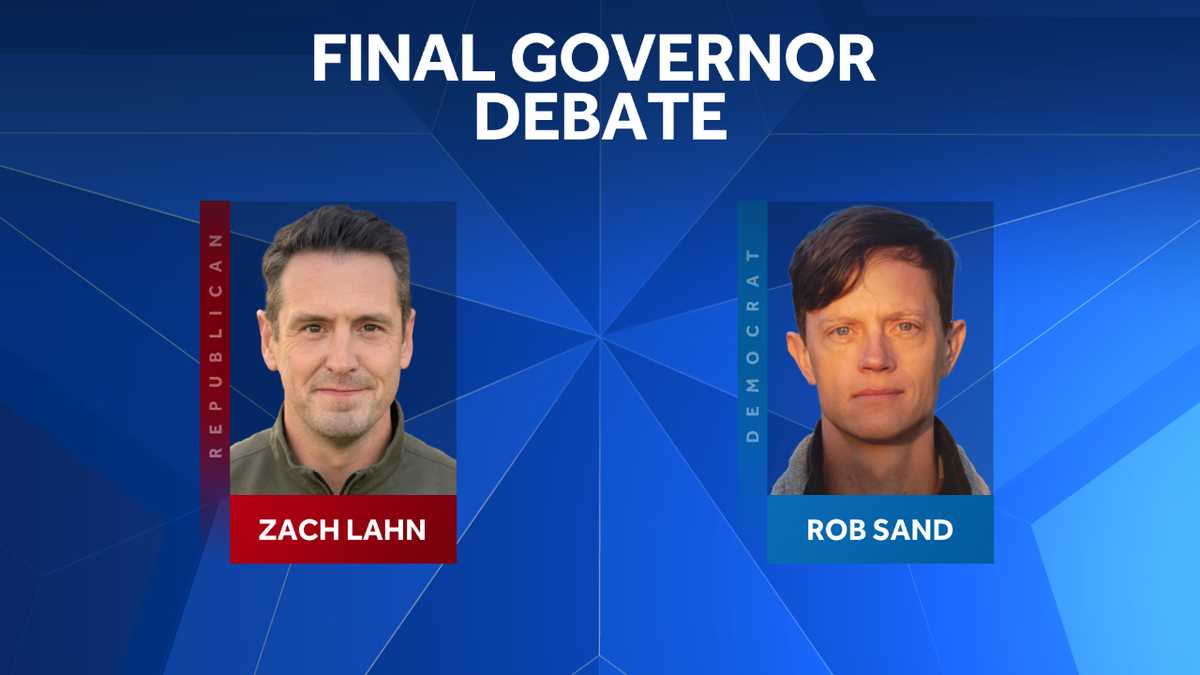
Sand and Lahn Clash Over Mental Health and Medicaid in Final Iowa Gubernatorial Debate
Voter choices in Iowa's gubernatorial race came into sharper focus on October 27, 2026, as Democratic State Auditor...

Grand Jury Declines to Indict Cassidy Hutchinson Over Jan. 6 Testimony
A federal grand jury in Washington, D.C., has declined to indict former White House aide Cassidy Hutchinson, rejecting...

AdventHealth Performs First US Remote Robotic Prostate Surgery
“For generations, access to highly specialized care has often depended on where a patient lives,” Dr. Vipual Patel...