
The OHA Board Shakeup and the End of a Political Dynasty
The landscape of the Office of Hawaiian Affairs (OHA) Board of Trustees shifted significantly following the 2026 general election, marking the end of a 26-year tenure for the board’s longest-serving member. John Waiheʻe IV, son of former Governor John Waiheʻe, failed to secure re-election in the crowded at-large contest, finishing roughly 1,000 votes behind incumbent Brickwood Galuteria. The results, as reported by Hawaii News Now, signal a broader transition for the organization as it prepares for a new cycle of leadership.
Is OHA’s Board In For Another Shakeup?: Incumbent At-Large Trustee Keoni Souza trailed former City Councilmember Ikaika Anderson in the Primary Election. www.civilbeat.org/2026/10/is-ohas-board-in-for-another-shakeup/ #HInews pic.twitter.com/736bSuQhFy
The at-large race was a tense affair for the six candidates vying for three open seats. As ballots were processed across the islands, the lead fluctuated, keeping both incumbents and challengers on edge. Keoni Souza, the board’s current vice chair, eventually captured the top spot, followed by former Honolulu City Council member Ikaika Anderson and incumbent Brickwood Galuteria. For Souza, the experience was an emotional roller coaster, particularly as the final Oʻahu printouts solidified the standings.
The second printout came out. They were 295 votes away from John Waiheʻe. The neighbor islands came in — Hawaiʻi, Maui — and we were waiting for that Oʻahu printout. And when the Oʻahu printout came out, we took the number-one spot at that point, and we were very grateful. — Keoni Souza, OHA Vice Chair
The departure of Waiheʻe has sparked conversation regarding the role of political legacy in modern island elections. Healani Sonoda-Pale of Ka Lāhui Hawaiʻi suggested that the shift reflects changing demographics within the Native Hawaiian community. According to Sonoda-Pale, voter recognition of the Waiheʻe name may have reached its limit, noting that many current voters lack a personal connection to the former governor’s administration, which concluded decades ago.
Incumbents Hold Steady in Island-Specific Races
While the at-large contest saw a notable upset, the island-specific races followed a more traditional path. Incumbent trustees Carmen Hulu Lindsey and Kalei Akaka successfully defended their positions against challengers. Lindsey, a former board chair, secured a victory in the Maui seat over Keʻeaumoku Kapu, while Akaka maintained her seat on Oʻahu after defeating Hinaleimoana Wong.
These victories ensure a degree of continuity for the board, yet the arrival of Ikaika Anderson introduces a new dynamic. Observers have identified Anderson as a potential swing vote on a board that has recently been split between two distinct factions: those aligned with current Chair Kai Kahele and those associated with the former chair, Lindsey. Anderson, whose background includes navigating the frequently divided Honolulu City Council, expressed a desire for a fresh start rather than a predetermined agenda.
“I really need to understand exactly what’s happening and have the opportunity to talk with my colleagues and have firsthand experience as to exactly what’s going on, but to be clear, I have no predetermined conclusion as to I’m going here, I’m going there,” Anderson stated.
The Path Toward a New Administration
The stakes for the upcoming term remain high. Beyond internal board dynamics, the trustees face the immediate task of selecting new leadership positions and appointing a new chief executive officer. This transition period is being closely watched by those invested in the organization’s long-term mission, including OHA beneficiary Jacob Aki, who characterized the election as a clash of political legacies.
“From a 30,000-foot level, this was a race of political legacies in the Native Hawaiian community,” Aki noted. “As someone who follows the board and business, my hope is that they are able to come together.”
The newly elected and re-elected trustees are scheduled to take their oaths of office at an investiture ceremony on December 14. Whether this new configuration will foster greater consensus on the board or lead to continued friction remains an open question for the months ahead. As the board prepares for its next chapter, the focus will inevitably turn to how these individual trustees balance their varied political backgrounds with the collective responsibility of managing OHA’s resources and advocating for the needs of the community.
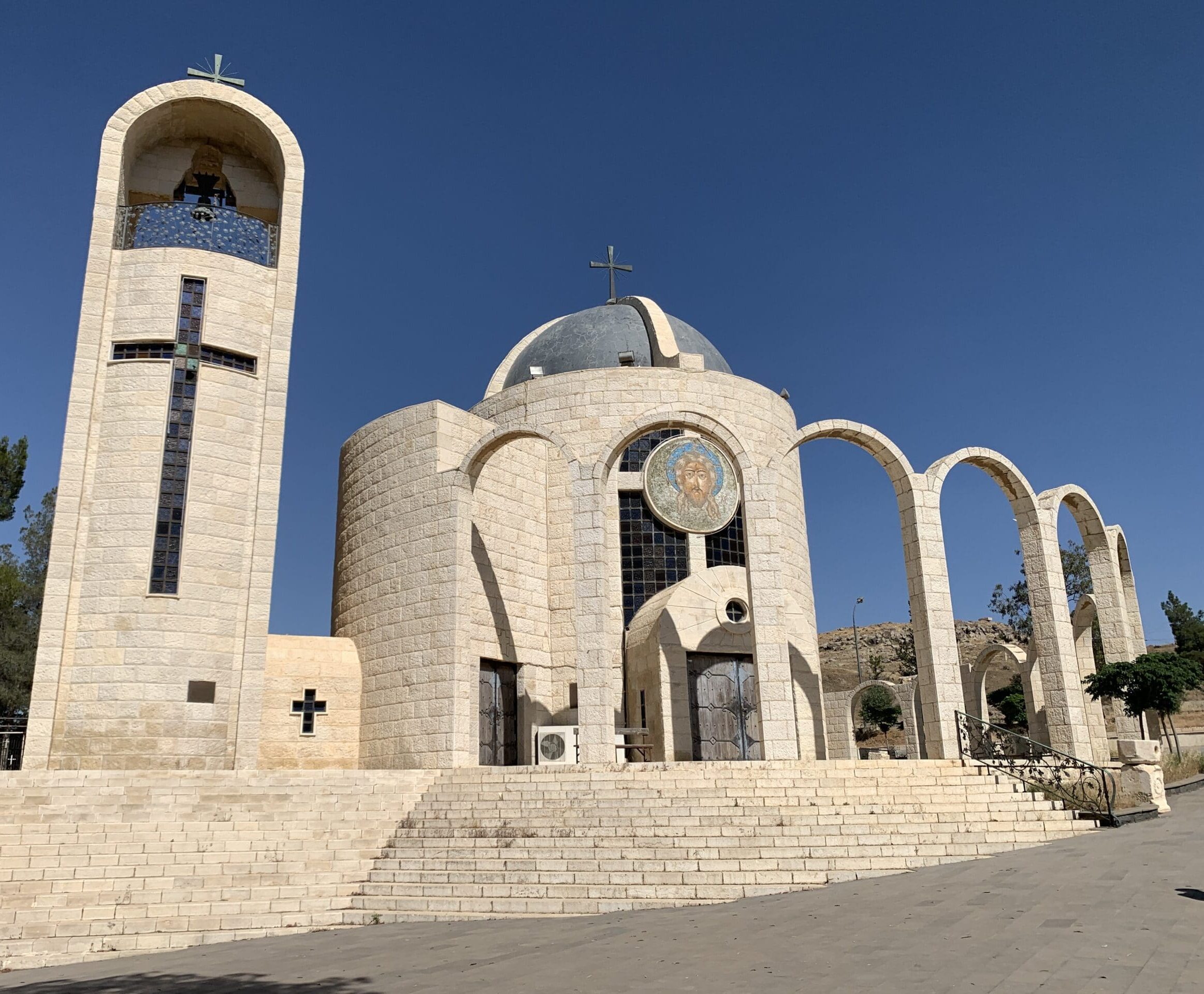
Touring the Early Christian Sites of Damascus: Following the Footsteps of Paul
Tracing the Apostle Paul Through a Resurgent Damascus In a recent column for the Biblical Archaeology Review, Mark...
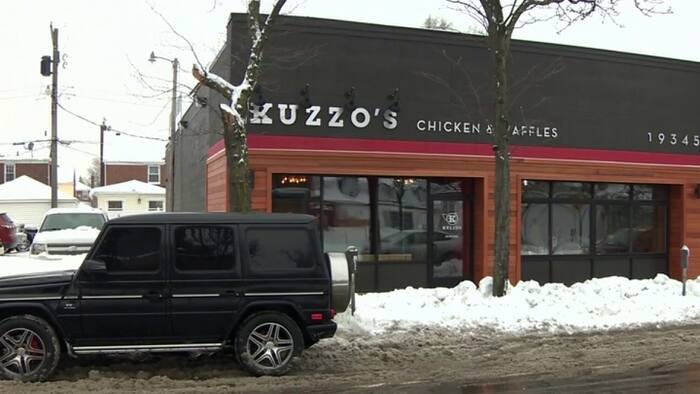
Kuzzo’s Chicken and Waffles owner Ronald Bartell arraigned for tax charges
The Tax Charges Facing a Detroit Culinary Staple For over a decade, Kuzzo’s Chicken and Waffles stood as...

PBC Runners of the Year Named: Nasrudin Mohamed and Gabrielle Jourdain
Augusta University Dominates Peach Belt Conference Cross Country Honors As the Peach Belt Conference (PBC) prepares for its...

Black Panther In Concert Live at Des Moines Civic Center
Marvel Studios’ Black Panther in Concert is coming to the Des Moines Civic Center, offering a live orchestral...