
Georgia Republicans Pivot to 2028 After Midterm Losses
The mood inside the Georgia Republican Party is one of sharp transition. Following a midterm cycle that saw Democrats secure significant victories across the state, party leadership is moving quickly to dissect the causes of their electoral setbacks. According to reports from Atlanta News First, Georgia Republican Party Chairman Josh McKoon has characterized the current atmosphere as a mix of disappointment and anger, describing these feelings as a natural response to the intense investment of time and capital that failed to yield the expected electoral results.
The stakes for the party are high, particularly as the focus shifts toward the 2028 presidential election cycle. With a U.S. Senate seat also on the ballot in that cycle, the Georgia GOP is now tasked with reconciling internal fractures and rebuilding its appeal to a broader base of voters. McKoon pointed to a combination of three primary factors for the recent losses: a failure to maximize voter turnout among the party’s base, the effectiveness of the Democratic get-out-the-vote operation, and a clear shift of independent voters toward the Democratic ticket.
The Challenge of Voter Turnout and Siloed Campaigns
Data from the field suggests that the shortfall was not just a matter of persuasion but of mobilization. McKoon specifically highlighted that voter turnout in areas south of I-20 did not reach the levels seen four years ago, leaving a critical bloc of potential Republican votes on the table. Beyond the turnout issue, the party is grappling with what McKoon described as significant “siloing” among major campaigns. He noted that the lack of coordination between the gubernatorial, senatorial, and legislative campaigns hampered the party’s overall effectiveness.
There was a lot of siloing in this election. Having those campaigns not together, not campaigning together, not appearing to be on the same page, was certainly something that was hurtful for the ticket.
This internal friction was compounded by decisions made within the House Republican caucus. McKoon suggested that the caucus pursued an independent strategy that resulted in tactical errors, potentially costing the party its legislative majority. These organizational challenges now serve as a focal point for the party’s internal review as they look to reform their operations in the coming months.
A Shift in the Legislative Landscape
The political geography of the state is set to change as Governor-elect Keisha Lance Bottoms prepares to take office. Bottoms, who secured a nine-point victory over Republican challenger Rick Jackson, successfully flipped seven counties that had previously supported President Trump in 2024. For the upcoming legislative session, observers expect a period of volatility. With a Democratic-controlled House and a Republican-leaning state Senate, the potential for gridlock over the state budget and policy agendas is significant.
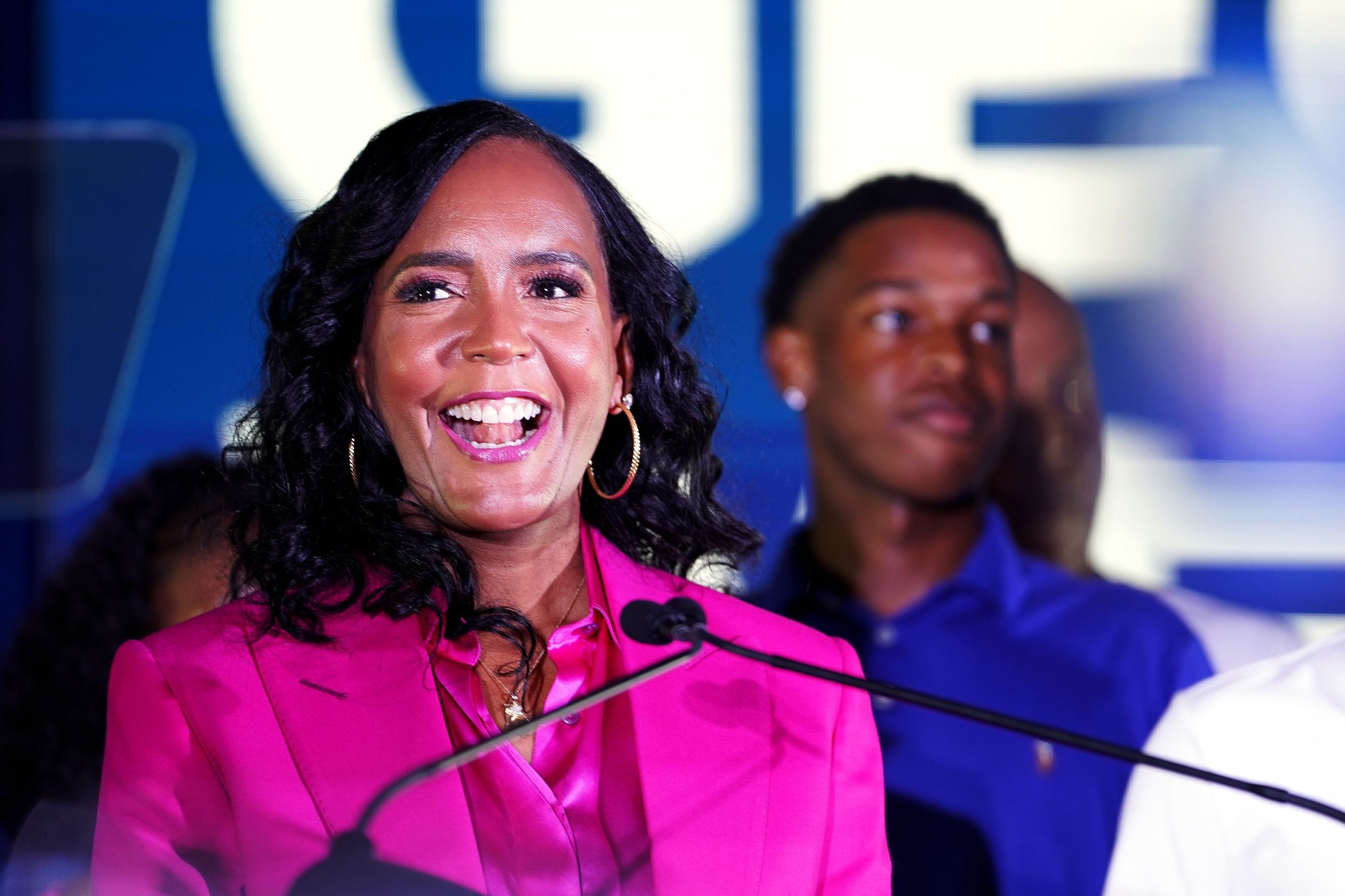
McKoon warned of a “chaotic” General Assembly session, citing potential roadblocks that could arise when the Governor-elect attempts to move her agenda through the upper chamber. While the party prepares to act as an opposition force, Bottoms has signaled an intent to seek balance, stating that she believes the state performs best when it avoids extremes on either side of the political spectrum. Her transition team has already begun discussions with outgoing Governor Brian Kemp to ensure an orderly transfer of power.
Defining the Path to 2028
Looking ahead, the Georgia GOP is betting on a future that blends traditional party values with the political movement established by President Trump in 2016. McKoon dismissed the idea that the party would simply revert to its 2012 iteration, suggesting instead that the next nominee will likely integrate key aspects of the current movement’s platform. The party plans to spend the next six months crafting an agenda that aims to resonate with both urban and rural voters.
Whether this strategy will succeed in reclaiming lost ground remains an open question. For now, the party’s leadership is focused on strengthening local chapters and developing new talent, emphasizing that public service requires consistent engagement and listening. As the dust settles on this midterm cycle, the divide between the two parties in Georgia appears more defined than it has been in years, setting the stage for a contentious period of governance and political maneuvering that will likely dominate the state’s civic life well into the next presidential cycle.
Worth a look
- Touring the Early Christian Sites of Damascus: Following the Footsteps of Paul
- Kuzzo’s Chicken and Waffles owner Ronald Bartell arraigned for tax charges
- Republicans Fear 2028 Election Defeat Amid Trump Midterm Fallout (archyde.com)
- Democrats Debate 2028 Strategy After Midterm Success (world-today-news.com)

Touring the Early Christian Sites of Damascus: Following the Footsteps of Paul
Tracing the Apostle Paul Through a Resurgent Damascus In a recent column for the Biblical Archaeology Review, Mark...
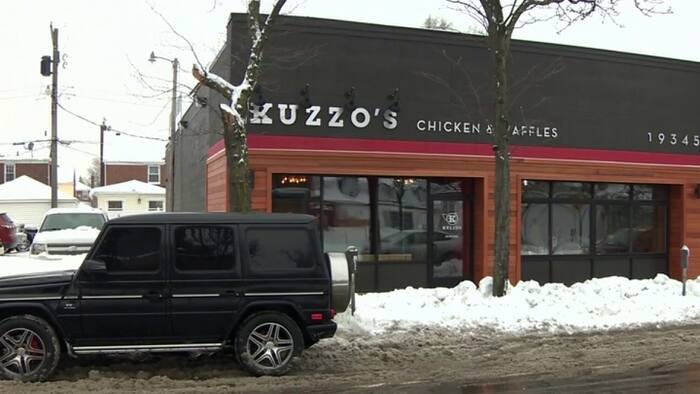
Kuzzo’s Chicken and Waffles owner Ronald Bartell arraigned for tax charges
The Tax Charges Facing a Detroit Culinary Staple For over a decade, Kuzzo’s Chicken and Waffles stood as...

PBC Runners of the Year Named: Nasrudin Mohamed and Gabrielle Jourdain
Augusta University Dominates Peach Belt Conference Cross Country Honors As the Peach Belt Conference (PBC) prepares for its...

Black Panther In Concert Live at Des Moines Civic Center
Marvel Studios’ Black Panther in Concert is coming to the Des Moines Civic Center, offering a live orchestral...