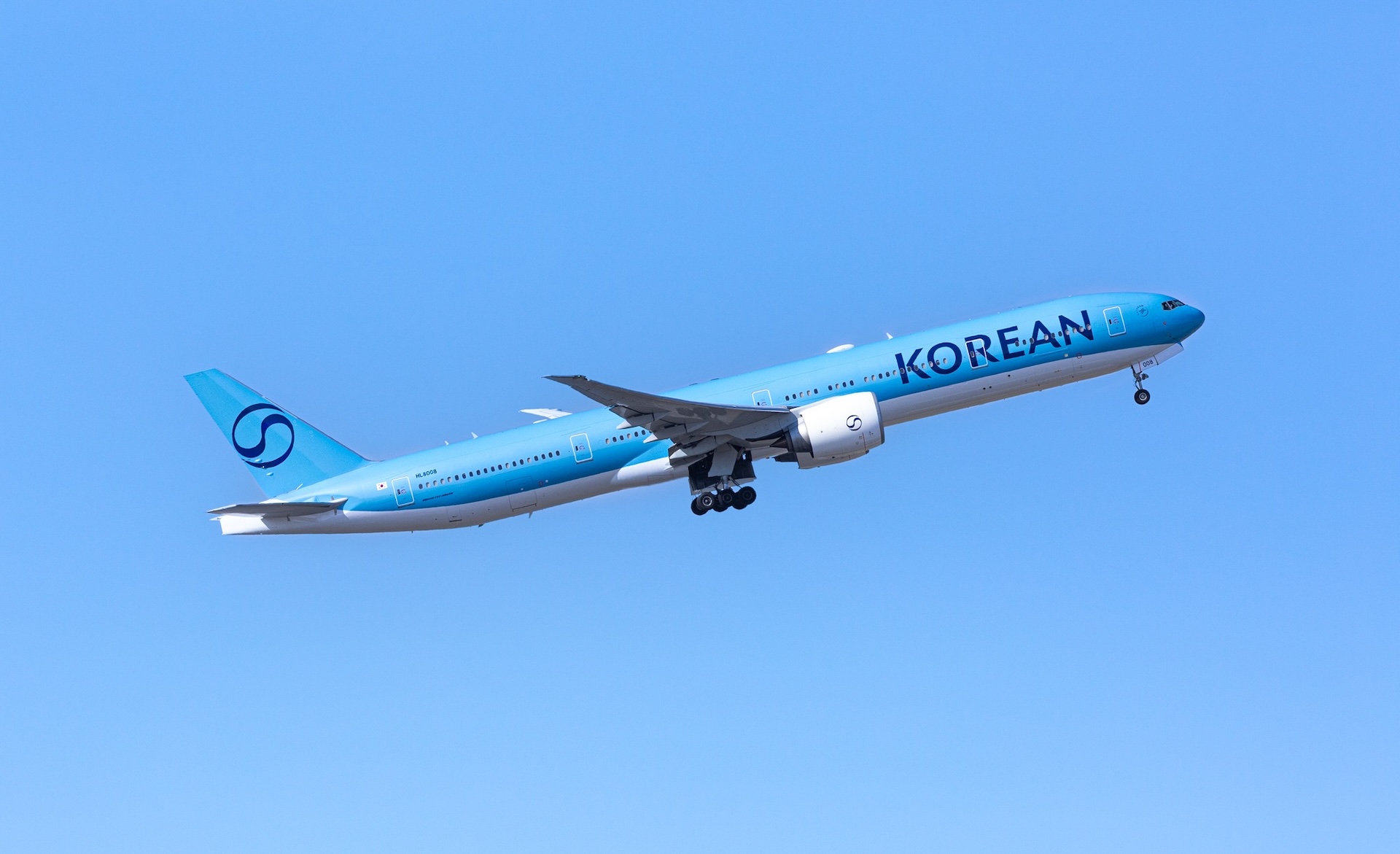
Korean Air will resume daily nonstop flights between Seoul-Incheon and Newark Liberty International Airport starting May 22, 2027, according to a report from AeroTime.
The airline is returning to the New Jersey gateway after a 25-year hiatus. Service to Newark was originally discontinued in 2001 following the 9/11 attacks and was never reinstated by the carrier.
The new route will utilize Boeing 777-300ER aircraft to connect the two regions. For travelers heading to the United States, the flight is scheduled to depart Seoul at 22:00 local time and arrive in Newark at 23:00 local time. The return journey will depart Newark at 01:00 and land in Seoul at 05:15 local time.
While Korean Air already maintains a presence in the New York City area through twice-daily service to John F. Kennedy International Airport, the expansion to Newark adds significant capacity for the Mid-Atlantic corridor. This move positions the carrier to capture a broader demographic of travelers in the New Jersey and New York metropolitan area.
The return to Newark introduces fresh competition for existing nonstop services to Seoul. Korean Air will face direct rivalry from United Airlines and the privately-owned Korean carrier Air Premia, both of which currently operate daily services to Seoul using Boeing 787-9 aircraft.
The airline’s broader operations in the region are also influenced by its recently acquired, fully owned subsidiary, Asiana Airlines, which currently operates two additional daily frequencies to JFK. Data from the Cirium SRS Analyzer indicates that at least one of the existing services to the New York area is operated by Airbus A380 aircraft.
| Airline | Primary Aircraft Type (Seoul-NY Area) | Service Frequency to Seoul |
|---|---|---|
| Korean Air | Airbus A380 / Boeing 777-300ER | Daily (Newark) / Twice-daily (JFK) |
| Air Premia | Boeing 787-9 | Daily (Newark) |
| United Airlines | Boeing 787-9 | Daily (Newark) |
The resumption of this service marks a long-awaited reconnection for the New Jersey transit hub, closing a gap in transpacific connectivity that has remained open since the early 2000s.
Worth a look
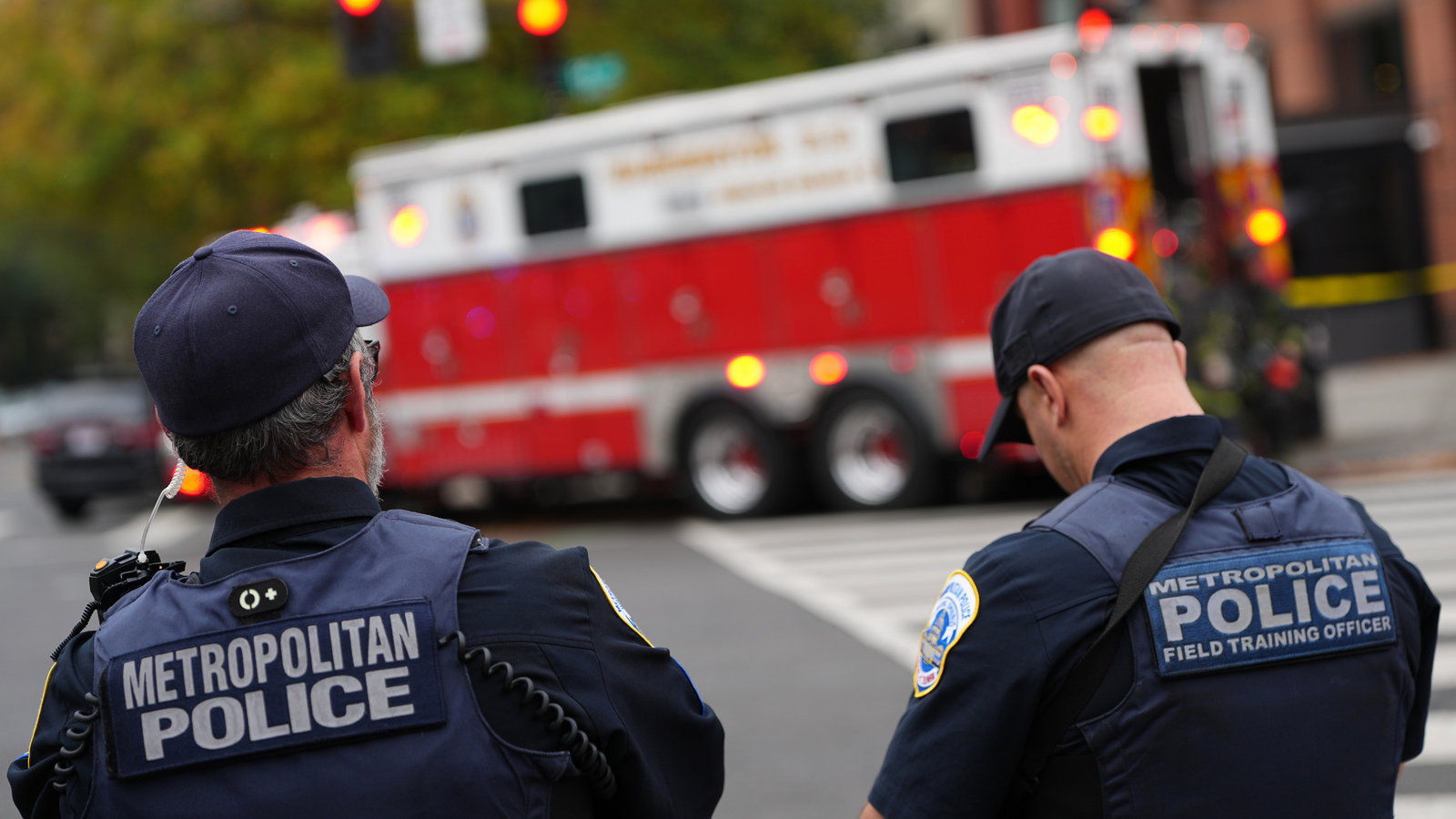
Gunman Kills One Man at DC Gym and Wounds Four Before Suicide
A gunman killed one man at a gym and wounded four others on Thursday morning in Washington, D.C.,...

Vermont Housing Costs Strain Workforce and Business Growth
As Vermont prepares for the start of the winter tourism season, the state is grappling with a stark...

Nashville Family Files Wrongful Death Lawsuit Against Music City Detox Over Alleged Neglect
When Amanda Gibson checked into Music City Detox in February 2025, she was seeking a path to sobriety...

RIHA Buys Providence Property for Hospitality Training Center
A historic Providence manufacturing building is slated to become a hospitality training center after being purchased for $1.8...