
Latvia’s Ministry of Health has laid out a sweeping new agenda to curb drinking, proposing to lift the legal purchase age from 18 to 20, ban all alcohol advertising and end retail sales at petrol stations, with the core restrictions slated to take effect on 1 January 2028.
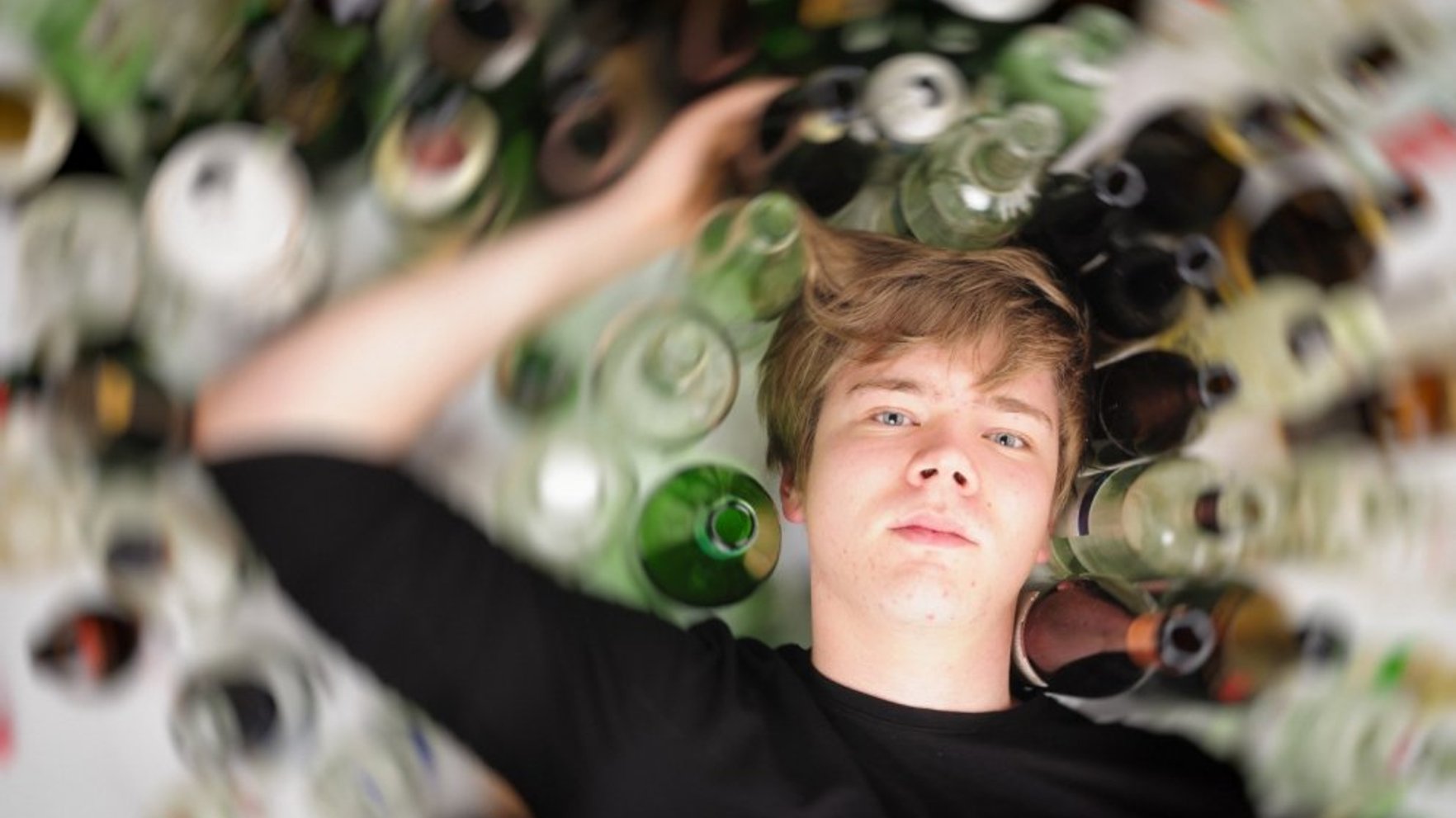
The proposal lands in a country that tops Europe for per-capita alcohol consumption, according to ministry data cited by LSM. ESPAD survey figures show 30% of Latvian 15–16-year-olds drank in the previous 30 days in 2024, and hospitalisations for alcohol poisoning among 15–17-year-olds rose from 42 to 98 between 2022 and 2024. The hospitalisation rate in the 15–19 age group is 6.3 times higher than in Lithuania.
Early evidence from the last round of restrictions, which cut retail sales hours to 10:00–20:00 on Mondays to Saturdays and 10:00–18:00 on Sundays, suggests a measurable health dividend.
A WHO Regional Office for Europe analysis found mortality from causes directly attributable to alcohol fell 27% in the five months after that date compared with the projected trend, the ministry’s report shows. Sales volumes dropped 6.6% year-on-year between August 2025 and March 2026, though excise revenue held flat because tax-rate hikes offset the volume decline.
The economic picture is uneven. The report identifies a sharper hit to specialised retail, distance-selling and small regional shops, while overall retail figures do not show a uniform decline. Prices in Latvia have fallen since the restrictions took hold, even as they rose in Lithuania and Estonia, prompting the ministry to recommend additional pricing measures to target the cheapest alcohol.
Industry opposition is already organised. Peteris Linins, Chairman of the Board of the Latvian Beer Brewers’ Association, told the Saeima Social and Labor Affairs Committee the group “categorically opposes” the age change, arguing there is no legitimate objective in moving the threshold, The Baltic Times reported.
Enforcement gaps remain. The ministry wants tighter supervision, especially on distance-sales compliance, and proposes strengthening supervision, particularly by checking compliance with the mandatory six-hour waiting period for distance sales.
Labelling rules would tighten further from 1 January 2029, adding ingredient and nutritional information, with certain exemptions for wine products and small alcoholic beverage producers. Those regulations still need to be coordinated with the European Commission.
The 14th Saeima rejected a similar idea earlier. The report will subsequently need to be considered by the government.
Related reading

Colette Kress Accelerates Pay Reviews, Urges Moving Forward at Nvidia All-Hands
Nvidia interim chief executive Colette Kress told staff let's move forward at the company's first all-hands meeting since...

U.S., Bolivia, Mexico Lose Measles Elimination Status as Endemic Transmission Re-established
Endemic measles transmission has been re-established in the United States, Bolivia, and Mexico, stripping all three nations of...
University of Alberta Researchers Investigate Why Semaglutide Weight Loss Varies by Patient
Medications containing semaglutide do not work the same way for every patient, according to a multidisciplinary research team...

Teenager Charged in Connection With Fatal Stabbing of Adam McSweeney in Cork
A man in his late teens has been charged in connection with the fatal stabbing of Adam McSweeney...