
Endemic measles transmission has been re-established in the United States, Bolivia, and Mexico, stripping all three nations of their measles elimination status according to the Pan American Health Organization (PAHO).
The decision followed the 10–13 November meeting of the Measles, Rubella and Congenital Rubella Syndrome Elimination Regional Monitoring and Re-Verification Commission (RVC). The independent technical body of infectious disease experts reports directly to the Pan American Health Organization (PAHO), reviewing epidemiological data across the region.
Under commission criteria, endemic transmission is considered re-established when a specific measles virus genotype and lineage circulate uninterrupted for 12 months or more within a country. PAHO Director Dr. Jarbas Barbosa accepted the commission’s assessment and recommendations, formally marking the loss of a designation the United States had held since 2000.
“It can be the canary in the coal mine to other things." – ASTHO Chief Medical Officer Susan Kansagra on measles as a warning sign of the potential resurgence of other vaccine-preventable diseases. More from @bylenasun of @washingtonpost: https://t.co/7IxNNExjKW”
“Losing measles elimination status is much more than losing a public health designation. It means the virus has circulated for a prolonged period, putting families and communities at risk of preventable illness, hospitalization and death.”
said Dr. Jarbas Barbosa, PAHO Director.
Americas lost elimination status after Canada outbreak
The Americas previously earned distinction as the first region in the world to eliminate measles, regaining regional status in 2024 after successfully interrupting endemic transmission in Venezuela and Brazil. That progress faltered in November 2025 when sustained transmission in Canada triggered a loss of regional status.
#DYK: In 1993, the Clinton administration established the Vaccines for Children program, expanding access to lifesaving vaccines for children across the country. The @NYTimes looks back at the decades of public health work that led to measles elimination in the U. S.:…
The United States’ classification as “sustained with major concerns” at the November 2025 RVC meeting preceded the current formal change. The country’s status was evaluated during commission sessions alongside nations such as Mexico, Honduras, and Venezuela.
The Washington Post reported that the U.S. resurgence began with a major outbreak in West Texas in January 2025. Subsequent sustained outbreaks followed in Utah, Arizona, and other states.
Saving babies is the lowest common denominator for a civilized society. Babies can’t get vaccinated. When measles surges, they are defenseless. This is what happens when we appoint an anti-science grifter to the highest public health role in the country. https://t.co/skGrIM3JjL
US status loss may weaken global elimination efforts
William Moss, an infectious disease epidemiologist at the Johns Hopkins Bloomberg School of Public Health, said that the United States often provides technical assistance and guidance on vaccines and vaccination strategies to other nations.
“Loss of measles elimination status in the US signals to the world that we are not up to this task and may diminish their own aspirations to achieve and sustain measles elimination.”
said William Moss, MD, MPH, infectious disease epidemiologist at the Johns Hopkins Bloomberg School of Public Health.

Josh Michaud of the health policy research group KFF said that the recent midterm elections resulted in Democrats winning control of Congress. Because the party tends to be a strong proponent of public health funding, Michaud said that the loss of elimination status could spur a Democratically controlled Congress to invest more in measles prevention, though President Donald Trump has two more years in office.
Pathways to Restoration
PAHO officials emphasized that the regional setback remains reversible through targeted public health interventions. Brazil previously lost its elimination status in 2019 before successfully reclaiming it in 2024, demonstrating that lost ground can be recovered.
The U. S. has officially lost its status as a country where #measles is eliminated 😔https://t.co/MHMEwYuEU5 via @KFFHealthNews with #MeaslesCollaborative Executive Director @InfectiousPS
“This is a serious warning for our Region, but it is not an irreversible setback. We know how to prevent measles, and we know how to stop its transmission. With sustained commitment to vaccination, strong surveillance and effective outbreak response, the Americas can eliminate measles transmission once again,” said Barbosa.
Measles vaccine supplies remain ample, the vaccine is safe, and a two-dose regimen is 97% effective at preventing infection.
More on Mexico

Colette Kress Accelerates Pay Reviews, Urges Moving Forward at Nvidia All-Hands
Nvidia interim chief executive Colette Kress told staff let's move forward at the company's first all-hands meeting since...

Latvia Health Ministry Proposes Raising Alcohol Purchase Age to 20, Total Ad Ban, Petrol Station Sales Halt From 2028
Latvia's Ministry of Health has laid out a sweeping new agenda to curb drinking, proposing to lift the...
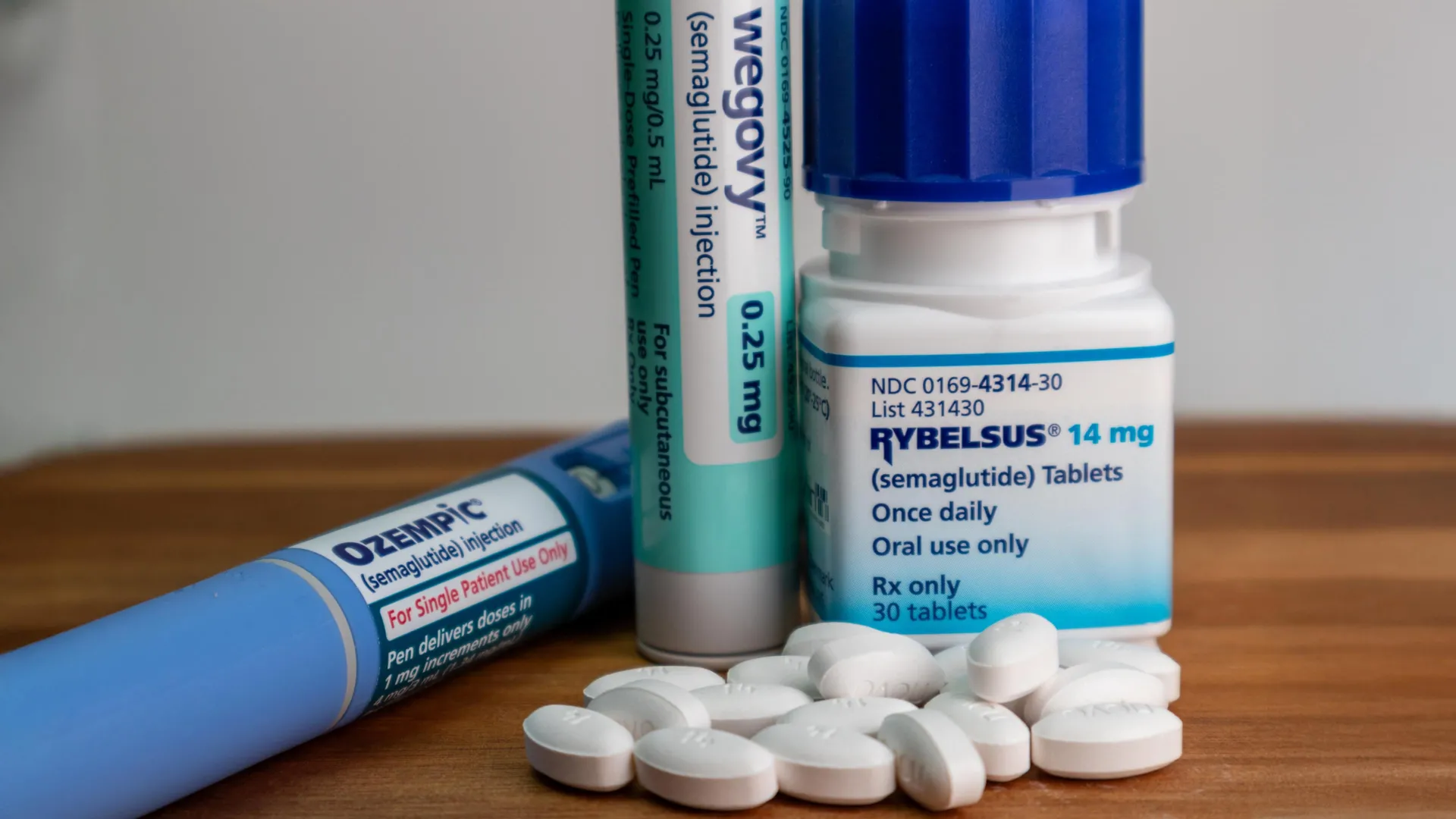
University of Alberta Researchers Investigate Why Semaglutide Weight Loss Varies by Patient
Medications containing semaglutide do not work the same way for every patient, according to a multidisciplinary research team...

Teenager Charged in Connection With Fatal Stabbing of Adam McSweeney in Cork
A man in his late teens has been charged in connection with the fatal stabbing of Adam McSweeney...