
Legal Challenge Mounts Against Montana’s New Dark Money Ban
Less than 48 hours after Montana voters approved a ballot initiative aimed at curbing dark money, the measure is already facing its first major hurdle in federal court. The legal challenge, filed Thursday in the U.S. District Court for the District of Montana, seeks to block Initiative 194, a state statute that passed with nearly two-thirds of the vote.
The lawsuit was filed by the Washington-based Institute for Free Speech on behalf of several plaintiffs, including the Frontier Institute, the Frontier Action Fund, the Montana Family Institute, the Montana Family Foundation, and the Montana Republican State Central Committee. These groups, which opposed the measure during the election cycle, are challenging the law against Secretary of State Christi Jacobsen and Attorney General Austin Knudsen, the officials responsible for its enforcement.
Known as “The Montana Plan,” the initiative prohibits “artificial persons”—a category that encompasses corporations, nonprofits, trusts, partnerships, trade associations, unions, and unincorporated associations—from contributing “anything of value” to political candidates, parties, or state ballot issues. As reported by the Flathead Beacon, the law is scheduled to take effect on January 1, 2027.
Constitutional Concerns and First Amendment Claims
The plaintiffs argue that the initiative is unconstitutionally overbroad and suffers from vague definitions, leaving organizations uncertain about which of their activities might trigger penalties. According to the legal filing, the law infringes upon First Amendment protections, including the rights to free speech, association, assembly, and petition. The suit further contends that the measure violates freedom of the press.
Owen Yeates, a senior attorney at the Institute for Free Speech, stated that the law attempts to achieve indirectly what the Constitution forbids: silencing organizations that engage in political advocacy.
“This law attempts to accomplish indirectly what the Constitution expressly forbids: silencing organizations that engage in political advocacy,” said Owen Yeates, senior attorney at the Institute for Free Speech.
The plaintiffs argue that the law would effectively prevent them from conducting standard operations, such as publishing legislative scorecards, analyzing the impact of proposed laws, and advocating for or against ballot measures. Kendall Cotton, president and CEO of the Frontier Institute, emphasized that the organization should not be forced to choose between educating the public on policy issues and maintaining its ability to operate.
Differing Perspectives on Corporate Political Power
This legal battle highlights a deepening national divide over the role of corporate spending in elections. Supporters of Initiative 194, including the nonprofit Transparent Election Initiative, maintain that the law is a necessary step to reduce the influence of wealthy special interests and empower individual small business owners.
The initiative’s framework draws inspiration from Montana’s own history, specifically the Corrupt Practices Act of 1912, which for a century prohibited corporations from using treasury funds to influence state candidate elections before it was overturned following the U.S. Supreme Court’s 2010 decision in Citizens United v. FEC.
While the plaintiffs argue the new law runs afoul of the Supreme Court’s ruling that corporate political spending is protected speech, supporters suggest they are not aiming to violate the decision, but rather to make it irrelevant. Matthew Cochenour, legal counsel for the campaign, noted that the state has the authority to define the powers granted to corporations.
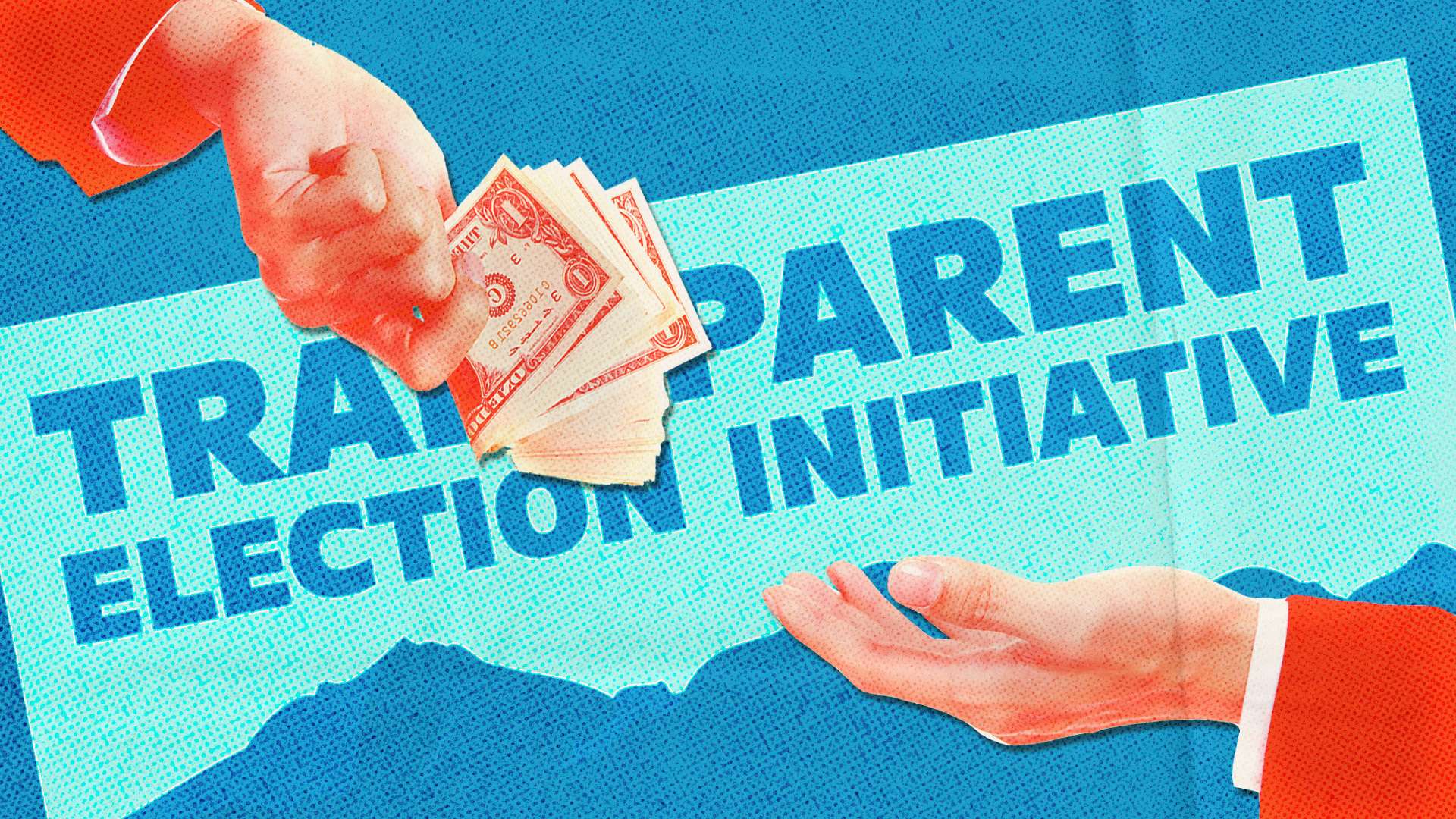
“A long line of state and federal court cases recognize that corporations are artificial entities that exist as a matter of state law. Further, the law is clear that states may grant, revoke, or alter the powers of corporations,” said Matthew Cochenour, legal counsel for the campaign.
The Practical Stakes for Montana Organizations
The uncertainty created by the law extends beyond traditional political groups. Local business organizations have expressed significant concern regarding their ability to advocate for community-level ballot measures. Lorraine Clarno, president of the Kalispell Chamber of Commerce, previously noted that the chamber’s ability to support local initiatives—such as a 2025 high school levy—could be effectively neutralized by the new restrictions.
As the state prepares for the January 1 implementation date, the legal process will determine whether Initiative 194 can survive its constitutional challenge. For now, the Transparent Election Initiative remains confident in the legal theory underpinning the measure, preparing for a court battle that may influence similar efforts currently being considered by legislatures in states such as California, North Carolina, and Pennsylvania.
Keep reading

Gov.-elect Alan Wilson Outlines Policy Priorities and Transition Team
Governor-elect Alan Wilson and Lieutenant Governor-elect Mike Reichenbach moved quickly to set the tone for their upcoming administration...
Wilmington Honors Rhode Island Regiment and British Officers
Honoring 28 Rhode Island Regiment Soldiers in Wilmington Twenty-eight soldiers from the Rhode Island Regiment, half of them...

Northwestern Oklahoma State and opponent play tight volleyball match
Northwestern Oklahoma State and Opponent Navigate Tight Volleyball Matchup The volleyball match between Northwestern Oklahoma State and their...

North Dakota Republican Party faces financial and operational collapse
The North Dakota Republican Party’s Financial and Operational Collapse As the dust settles on the 2026 election cycle,...