
The Cost of Quality-of-Life Enforcement in the South Bronx and East New York
In the quiet corners of the South Bronx and East New York, the rhythm of daily life is increasingly punctuated by the paper trail of a criminal summons. A new data analysis from the Data Collaborative for Justice at John Jay College reveals that residents in these specific neighborhoods are facing a disproportionate volume of tickets for minor, non-violent offenses. From loitering to panhandling and open container violations, the enforcement map of New York City shows a clear concentration of police activity in two of its most economically vulnerable areas.
🚨 BRONX 10-13 OFFICER ASSIST // BRONX: NYPD Bronx South Property Task Force broadcast an urgent Signal 10-13 requesting additional backup units at 424 East 148th St (between Bergen Ave & Brook Ave). #Bronx #NYPD #NYC #BreakingNewshttps://t.co/eTfOuwOm6D
The numbers are stark. Throughout 2025 and the first half of 2026, officers in the 40th precinct in the South Bronx issued more than 60% of all criminal summonses for loitering citywide. This focus on “quality-of-life” policing—a strategy that proponents argue maintains order but critics contend targets low-income communities of color—remains a defining feature of the current administration’s approach to public safety.
The Disparity in Enforcement
For those living in these neighborhoods, the impact is more than just a momentary interaction with an officer. It is a recurring cycle of court appearances, lost wages, and the looming threat of an arrest warrant should a ticket go unpaid. While the NYPD maintains that these summonses are a response to a surge in 311 calls, the data suggests a more nuanced reality. Bradley Weekes, an NYPD spokesperson, noted that 311 calls in the 40th precinct have jumped 215% since 2015, while in the 75th precinct of East New York, they have risen by 556%. However, whether these calls specifically relate to the low-level offenses being ticketed remains an open question.

Audrey Martin, a spokesperson for the New York Legal Aid Society, argues that the strategy is fundamentally flawed. “Policing strategies like saturating neighborhoods with summonses fail to change anything except for how much time our neighbors spend fighting tickets or how much money they pay out of their pockets,” Martin said. The data supports the idea that these tickets rarely lead to substantive legal outcomes. In 2024, only 9% of criminal summonses issued citywide resulted in a conviction. Instead, 65% were dismissed by judges—often due to technicalities or insufficient legal standing.
The Human Stakes of Low-Level Policing
For residents like 32-year-old Malaika Holder, a lifelong Bronx resident, the high rate of ticketing in her neighborhood is not a surprise, but it is a source of frustration. She points out that the culture of the Bronx is built on community spaces, often centered around stoops and sidewalks. To criminalize that presence, she argues, is to misunderstand the fabric of the neighborhood.
I do feel like the residents of the Bronx do have this very tense relationship with police and law enforcement, especially because in the Bronx, a lot of the community and what the culture is just loitering and just hanging out in different spaces. I don’t think we should be criminalizing people who are looking to substitute their hard times with vices.
Others see the presence of police differently. In East New York, some residents view the visible police presence as a necessary public service. Das Angshu, a 57-year-old plumber living in the area, said he feels safer when officers are around and does not perceive the enforcement as unfair. Yet, this sentiment is not universal. Younger residents worry that the focus on minor infractions creates a wedge between the community and the department, potentially undermining the cooperation needed to address more serious crime.
The Choice Behind the Summons
Michael Rempel, a researcher at the Data Collaborative for Justice, emphasizes that officers hold significant discretion when it comes to violations like loitering or public alcohol consumption. These are not typically the types of crimes that follow a 311 call, but rather instances where an officer chooses to issue a summons rather than a civil ticket or a warning. The racial disparity in this choice is persistent; in the first half of 2026, nearly 82% of all criminal summonses were issued to Black and Hispanic New Yorkers.

While the NYPD reports that the total number of criminal summonses is currently trending downward—with projections for 2026 sitting at approximately 101,192—the concentration remains geographically fixed. As Mayor Zohran Mamdani continues to navigate criticism regarding his policing policies, the debate over whether these tactics actually improve the quality of life or merely impose a “poverty tax” on the city’s most marginalized residents continues to intensify. For the people of the South Bronx and East New York, the question is not just about the law, but about who that law is designed to serve.
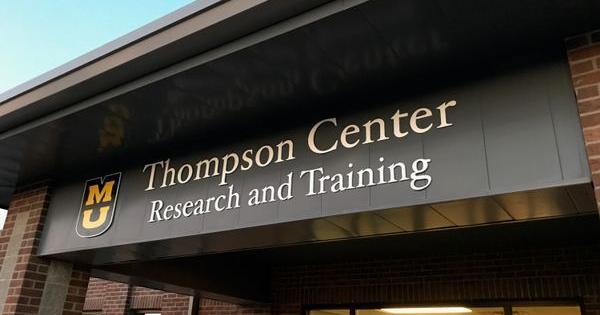
Permit Approved for New Veterinary Hospital at Former Thompson Center
A New Purpose for the Former Thompson Center Site in East Columbia The empty two-story building at 200...
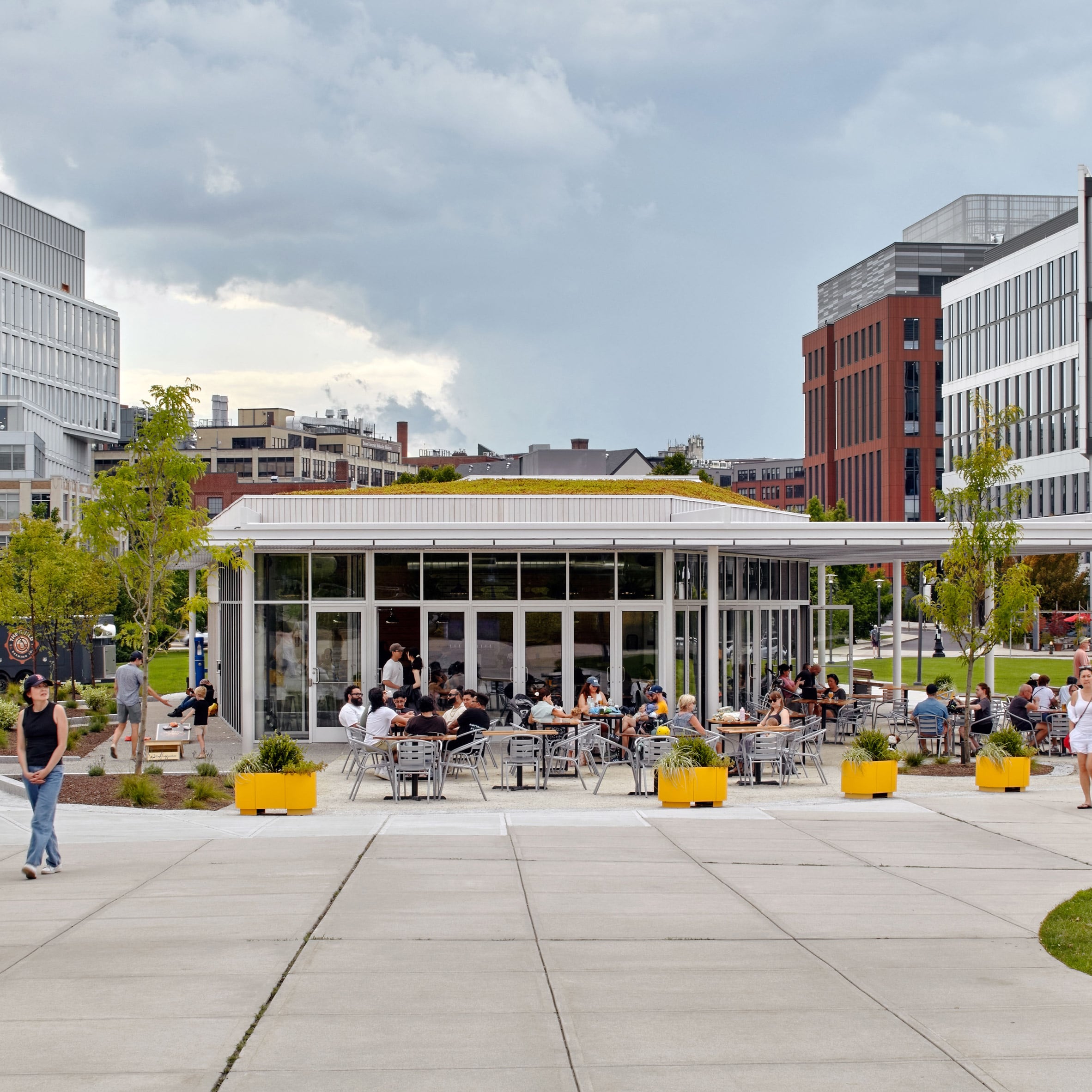
Architecture Research Office designs new pavilion in Providence park
The 195 District Park in Providence, Rhode Island, has a new centerpiece. Architecture Research Office (ARO), the New...

3 Grant Tiers for Pennsylvania Arts and Cultural Organizations
Pennsylvania Creative Industries Launch Pathways Program for Underserved Communities The Commonwealth of Pennsylvania has officially opened the Pathways...
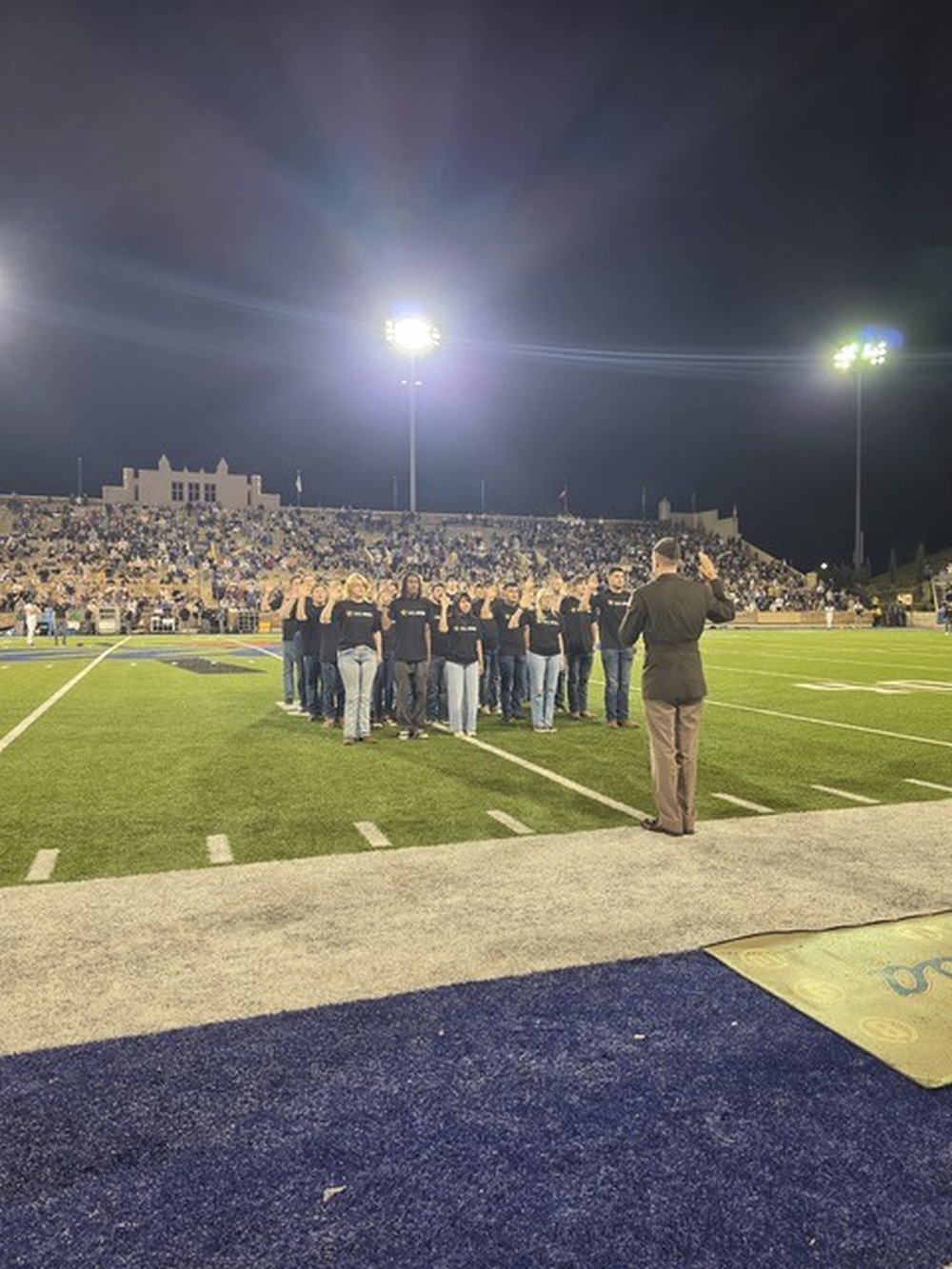
Tulsa Recruiting Company Future Soldiers Take Oath at University of Tulsa Game
Twenty-five Future Soldiers Take Oath at Tulsa Halftime The roar of the crowd at the University of Tulsa...