
Northwestern Oklahoma State and Opponent Navigate Tight Volleyball Matchup
The volleyball match between Northwestern Oklahoma State and their opponents on November 5, 2026, proved to be a display of back-and-forth momentum, defined by narrow margins and consistent defensive adjustments. According to the box score data provided by swosuathletics.com, the contest saw both sides trading leads throughout the opening exchanges, with neither team able to establish a dominant buffer in the early phases of play.
The intensity of the match was underscored by the frequency of substitutions and tactical adjustments made by both coaching staffs. As reported by obubison.com, the rotation of players including Andrea Djordjevic, Jayla Adams, and Ryann Eastes for Northwestern Oklahoma State, alongside tactical swaps for their opponents, highlighted the strategic depth required to maintain pressure in a high-stakes environment.
Defensive Battles at the Net
The statistical breakdown reveals that the net was the primary theater of conflict. Multiple points were decided by blocks, reflecting a high level of defensive preparation from both squads. For instance, the sequence involving an attack error by Layla Collins, which was effectively neutralized by a block from Kemelly Baez Miecznikoski and Cameryn Barclay, served as a microcosm of the match’s defensive tone.
Data from swosuathletics.com further illustrates this defensive focus. Throughout the match, players like Sydnee Winfrey and Morgan Ritchie were instrumental in capitalizing on transition opportunities, often converting sets from Mackenzie Sims into critical kills. Conversely, the blocking efforts led by the likes of Katja Blanchat and Morgan Ritchie consistently pressured the opposing attackers, forcing errors that kept the scoreline tight.
Tactical Shifts and Service Pressure
Service errors played a distinct role in the ebb and flow of the scoreboard. In a game where every possession carries significant weight, the pressure of the serve led to several unforced errors from both sides. When a team managed to string together a series of successful serves—such as the sequence where Sydnee Winfrey recorded multiple service aces—the momentum shifted rapidly, forcing the opposition to burn time on tactical discussions and substitutions.
The box score from obubison.com captures these micro-fluctuations, showing how individual performances, such as the kills by Rylee Unruh and the setting precision of Emily Boyer, were essential in countering the defensive pressure applied at the net. The reliance on these specific playmakers underscores the importance of efficient transition play in modern collegiate volleyball, where the margin between a point and a turnover is often measured in milliseconds.

The Statistical Reality of the Match
Comparing the two source reports reveals a consistency in the narrative of a closely contested event. While swosuathletics.com focuses heavily on the defensive blocks and specific attack errors that defined the middle stages of the game, obubison.com provides a broader view of the substitution patterns that allowed both teams to keep fresh legs on the court. This balance of defensive grit and strategic roster management is a hallmark of competitive volleyball, where the ability to adapt to an opponent’s rhythm often proves more decisive than raw offensive power.
The match ultimately served as a reminder of the parity within the conference. As the season progresses, the ability to minimize unforced errors under pressure will likely determine which teams secure favorable positioning for the postseason. For the players on the court, the focus remains on the next point, the next set, and the next opportunity to capitalize on the tactical groundwork laid during these rigorous contests.
Keep reading
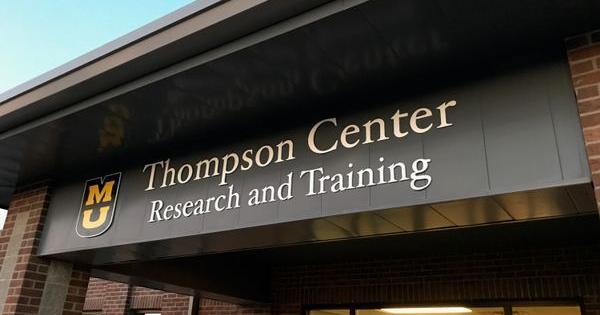
Permit Approved for New Veterinary Hospital at Former Thompson Center
A New Purpose for the Former Thompson Center Site in East Columbia The empty two-story building at 200...
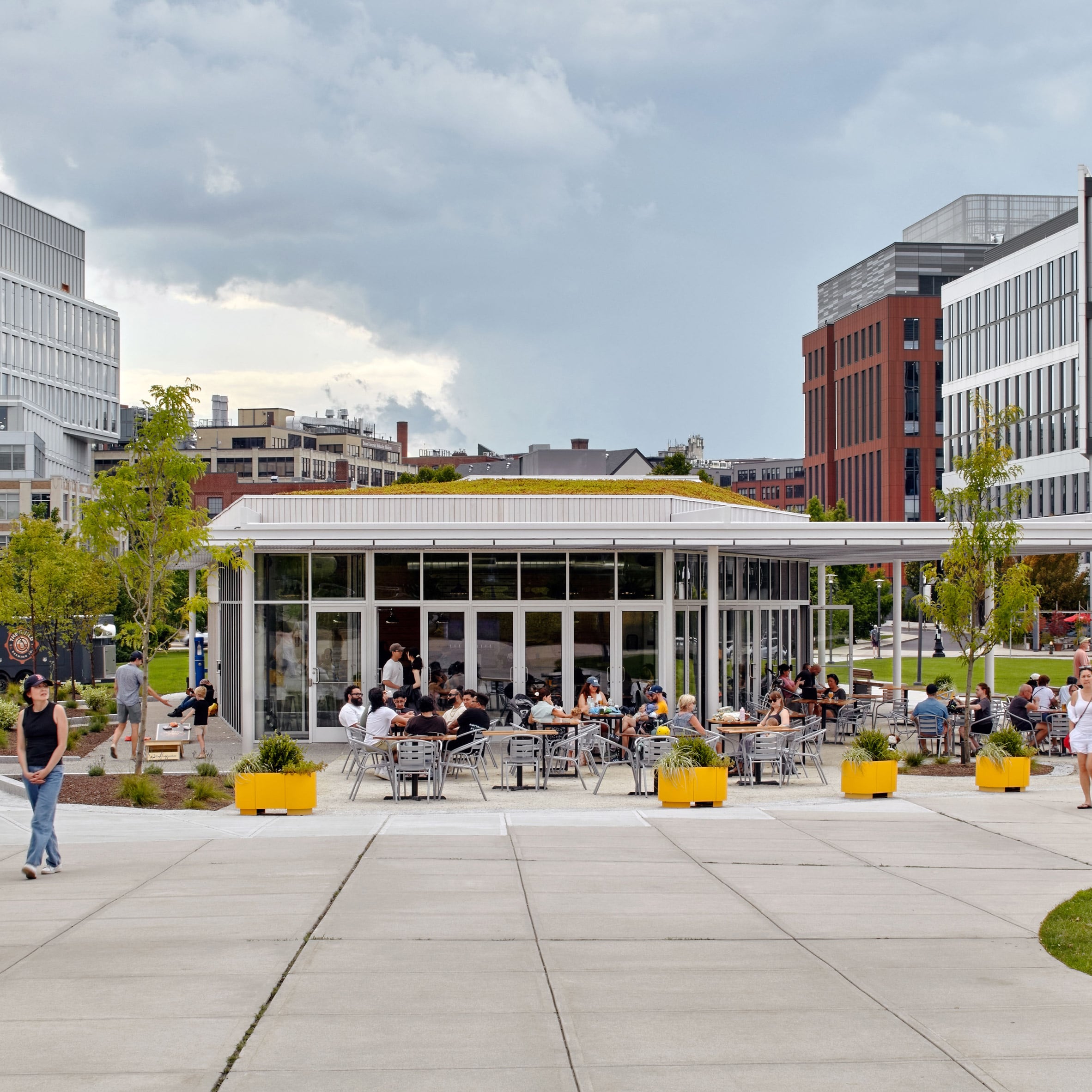
Architecture Research Office designs new pavilion in Providence park
The 195 District Park in Providence, Rhode Island, has a new centerpiece. Architecture Research Office (ARO), the New...

3 Grant Tiers for Pennsylvania Arts and Cultural Organizations
Pennsylvania Creative Industries Launch Pathways Program for Underserved Communities The Commonwealth of Pennsylvania has officially opened the Pathways...
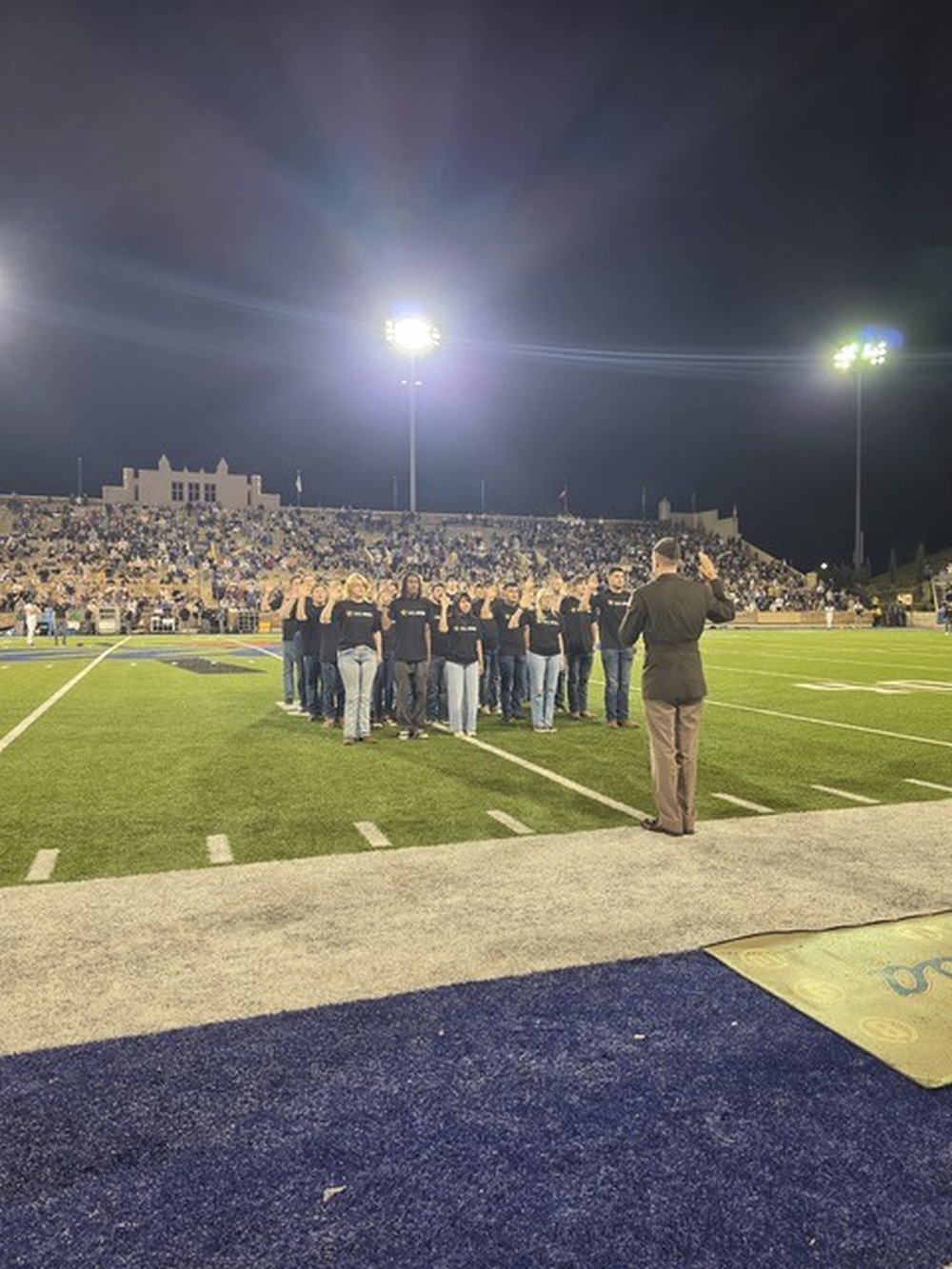
Tulsa Recruiting Company Future Soldiers Take Oath at University of Tulsa Game
Twenty-five Future Soldiers Take Oath at Tulsa Halftime The roar of the crowd at the University of Tulsa...