
Lawyers for Kansas officials are attempting to revive state abortion restrictions by accusing a judge of religious discrimination.
The move seeks to reopen a legal battle that resulted in the voiding of several state-mandated abortion care requirements earlier this year. During a hearing Tuesday in Johnson County Court, attorneys representing state and county officials argued that the previous ruling was tainted by bias against anti-abortion witnesses.
The case centers on a 2023 lawsuit filed by abortion providers against state officials regarding restrictions dating back to the 1990s. Following a seven-day bench trial in October 2025, then-Johnson County District Judge Christopher Jayaram issued a 260-page opinion in August finding that the restrictions violated the right to bodily autonomy for Kansans, according to KCUR – Kansas City news and NPR.
“The state had its day in court,” said Alice Wang, an attorney for Kansas abortion providers with the Center for Reproductive Rights, told KCUR – Kansas City news and NPR.
“It can and has appealed the result, but it has offered no basis for this court to reopen its own judgment, much less dismiss the case,” Wang said.
Allegations of religious bias
Lincoln Wilson, a partner at the Colorado-based firm First and Fourteenth, argued on behalf of the state and county officials. He characterized the previous decision as “one-sided” and claimed it contained “religious discrimination and animus.”
The argument focuses on how Judge Jayaram—who has since been appointed to the Kansas Supreme Court—handled testimony. Wilson said that Jayaram gave little to no weight to seven state witnesses, citing their “personal or spiritual beliefs” in his findings.
Wilson compared the situation to a 2018 U.S. Supreme Court case involving a Colorado baker who refused to make a wedding cake for a same-sex couple due to religious convictions. When Judge Stephanie Goodenow pressed Wilson to confirm if the Kansas and Colorado cases were identical, Wilson stated there were “enough ingredients here” to make the comparison.
The restrictions at the heart of the dispute, including the Women’s Right to Know Act, imposed several mandates on healthcare providers. These requirements included:
- A mandatory 24-hour waiting period for patients.
- A requirement for physicians to disclose state-sanctioned language alleging abortion poses risks to future pregnancies and breast cancer.
- Specific mandates for the typeface, font size, and color of required disclosures.
- A 30-minute waiting period after meeting with a provider before care could be administered.
- A requirement that providers tell patients at least five times that medication abortions can be reversed.
- A mandate for physicians to ask patients the “most important factor” they considered when deciding to seek an abortion.
While the state argues these laws are constitutional, providers successfully argued in court that these measures were harmful to patients.
Conflict of interest claims
Beyond the allegations of religious bias, Wilson raised questions regarding the standing of the plaintiffs. He argued that the abortion providers who brought the suit in the interest of their patients possessed a fundamental conflict of interest.
“If you are invoking someone else’s rights, you have to be aligned with their interests,” Wilson said, noting that the Women’s Right to Know Act actually grants patients the right to sue their own providers if the requirements are not met.
The legal landscape in Kansas has shifted significantly in recent years. In 2022, voters rejected a constitutional amendment that could have allowed for further abortion restrictions, and a 2019 state Supreme Court decision had already helped cement the right to bodily autonomy in the state.
Judge Goodenow, who will deliver a written decision on whether to reopen the case, noted the massive scope of the litigation, which includes nearly 750 pleadings filed over more than three years.
The court has not yet decided whether to allow a retrial, but the legal fight continues to test the boundaries between state mandates and individual autonomy.

RIHA Buys Providence Property for Hospitality Training Center
A historic Providence manufacturing building is slated to become a hospitality training center after being purchased for $1.8...
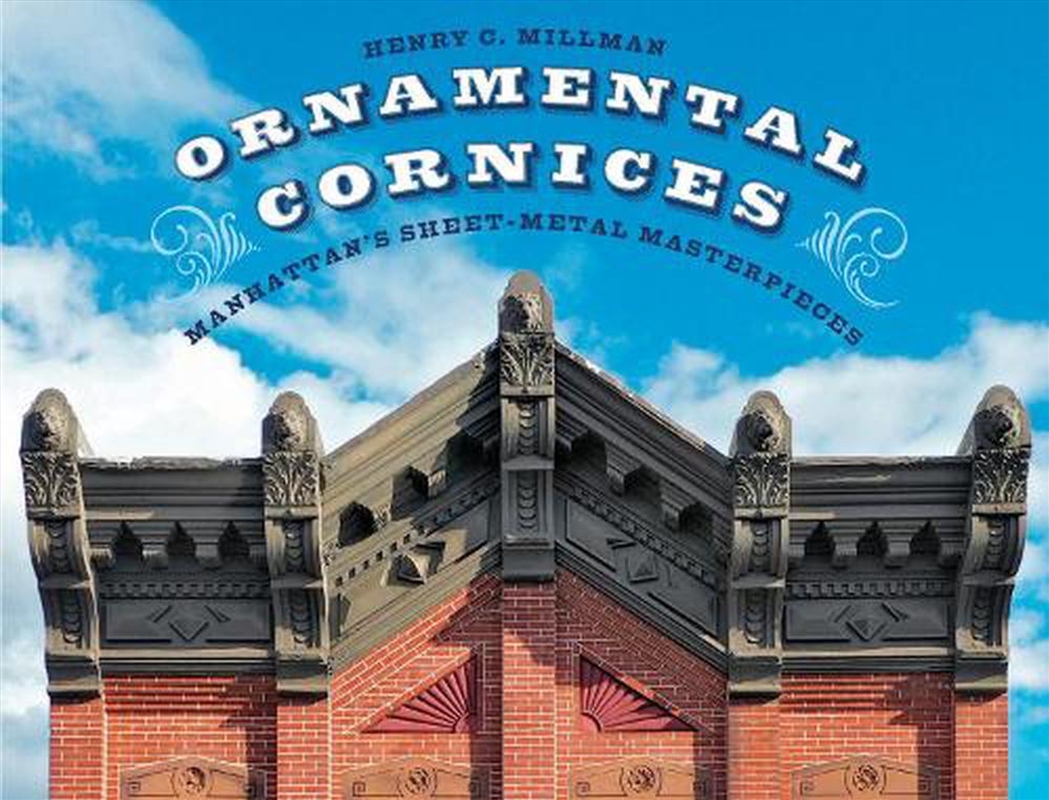
Henry C. Millman Documents Manhattan’s Historic Sheet-Metal Cornices
The intricate sheet-metal cornices that define Manhattan’s residential and commercial facades are disappearing. As modern renovations favor flat,...

Korean Air to Launch Daily Nonstop Seoul to Newark Service
Korean Air will resume daily nonstop flights between Seoul-Incheon and Newark Liberty International Airport starting May 22, 2027,...

NH Judge Todd Prevett Faces Ethics Charges Over Guardianship Case Bias
A New Hampshire circuit court judge is facing multiple ethics charges following allegations of bias and unauthorized investigation...