
Missouri’s public schools are facing budget cuts despite hundreds of millions of dollars flowing into the state from lottery and casino revenues.
While the influx of gambling and lottery money often sparks questions from taxpayers about where those funds go, the scale of the money does not match the scale of the educational funding gap. According to a report by KY3, the lottery and gaming sectors contributed significant sums in fiscal year 2026, yet school districts continue to struggle with local funding shortages.
“What can they do? They started last week. They sent a message, I believe, to Jefferson City,” State Sen. Lincoln Hough said, suggesting that voters can influence how the state sets its budget priorities.
The scale of gambling revenue
The numbers generated by Missouri’s gaming and lottery sectors are substantial, but they represent only a fraction of the total resources required to run the state’s education system. In fiscal year 2026, the Missouri Lottery reported that $337 million was directed toward education, which accounts for roughly 4% of the state’s total public education funding.
Casino gambling provided an even larger contribution. The gaming commission reported that casino gambling contributed approximately $380 million during the same period. Sports betting added about $3.2 million to education funds through June.
| Revenue Source | Contribution to Education (FY 2026) |
|---|---|
| Missouri Lottery | $337 million |
| Casino Gambling | ~$380 million |
| Sports Betting | ~$3.2 million |
Despite these figures, the impact on individual districts can feel minimal. Springfield Public Schools told KY3 that it received about $11.4 million from these sources, a figure that represents only about 3% of the district’s total operating budget for the year.

Local taxes bear the weight
The reliance on state-level gambling revenue often obscures a deeper structural issue: Missouri’s heavy dependence on local property taxes to keep classrooms running. Because the state provides a lower percentage of K-12 funding compared to many other states, the burden falls largely on local residents.
Amy Blouin of the Missouri Budget Project said that Missouri relies much more heavily on local funding than other states do. She explained that approximately 60% of school district funding currently comes from localities.
The Missouri Budget Project suggests that the disconnect between gambling windfalls and school budgets is a result of legislative choices. Blouin said that over the last decade, lawmakers have prioritized a series of tax reductions that have reduced state revenue by more than $3.8 billion per year.
This reduction in state revenue has direct consequences for the classroom. According to the Missouri Budget Project, lawmakers underfunded Missouri’s K-12 schools by $190 million this year, a deficit that is expected to persist into next year.
Budgets reflect government priorities rather than just funding gaps
The debate over school funding often centers on whether new revenue streams, like sports betting, can solve long-standing systemic deficits. For many lawmakers, the issue is not a lack of money, but a disagreement over where that money should be directed.
State Sen. Lincoln Hough, a Republican, argued that the disconnect exists because budgets are fundamentally a reflection of a government’s values. He said that leaders must choose between prioritizing the state’s future workforce or other programs.
“What I’ve always said about budgets is, budgets are about priorities,” said State Sen. Lincoln Hough. “And you can prioritize the future of this state, and you can prioritize the workforce, the educated workforce of the state, or you can prioritize other things and other programs.”
Hough also addressed the idea that recent additions to the gambling market could act as a financial panacea for schools. He said that sports betting is not the “silver bullet” that will fix policies that have not been working.
While some look to lottery or gambling wins to balance the books, other revenue streams are strictly cordoned off for different uses. For example, none of Missouri’s marijuana revenue is allocated to education; instead, those funds support veterans, drug addiction treatment programs, and the Missouri Public Defenders System.
The scale of these billions of dollars can make the specific needs of a local school district seem small, yet the gap between state revenue and educational necessity remains a central tension in Jefferson City. Whether the current trajectory of tax reductions will be reversed remains a question for the voters.
Related reading

RIHA Buys Providence Property for Hospitality Training Center
A historic Providence manufacturing building is slated to become a hospitality training center after being purchased for $1.8...
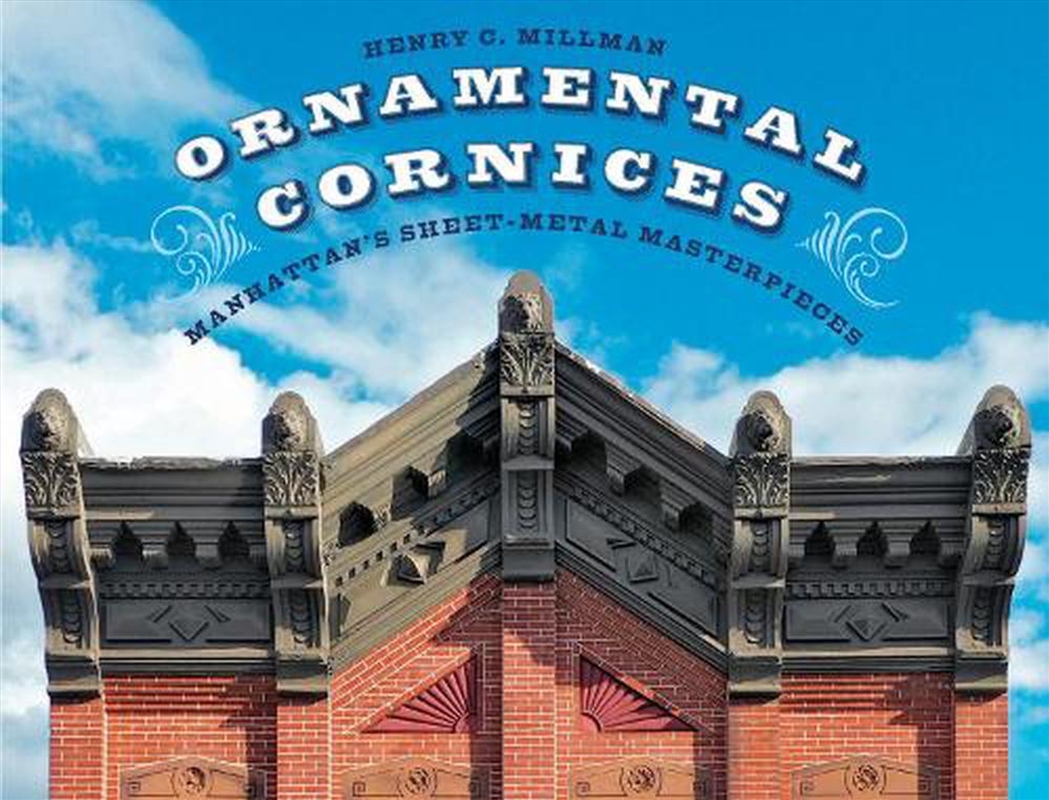
Henry C. Millman Documents Manhattan’s Historic Sheet-Metal Cornices
The intricate sheet-metal cornices that define Manhattan’s residential and commercial facades are disappearing. As modern renovations favor flat,...

Korean Air to Launch Daily Nonstop Seoul to Newark Service
Korean Air will resume daily nonstop flights between Seoul-Incheon and Newark Liberty International Airport starting May 22, 2027,...

NH Judge Todd Prevett Faces Ethics Charges Over Guardianship Case Bias
A New Hampshire circuit court judge is facing multiple ethics charges following allegations of bias and unauthorized investigation...