
Around 1,000 members of the Legion of Mary from 21 Curiae in the Diocese of Larantuka converged on Lewouran, East Flores, Indonesia, on October 23, 2026, for a pilgrimage to pray before the relics of St. Peter the Apostle. The event, reported by Vatican News, served as a spiritual bridge between a remote village in East Nusa Tenggara and the heart of the Catholic Church in Rome.
This wasn’t just a routine religious gathering. For the community of Lewouran, the arrival of a thousand pilgrims in a village with limited infrastructure was a logistical mountain to climb. Yet, the stakes were higher than mere attendance; the pilgrimage was designed to transform internal devotion into outward social action, specifically targeting the systemic poverty and human trafficking issues plaguing the region.
A 15,000-Kilometer Connection
The centerpieces of the pilgrimage—relics of St. Peter the Apostle and a fragment of stone from the Holy Door of St. Peter’s Basilica—didn’t arrive by chance. They were transported from the Vatican by Father Marco Solo Kewuta, SVD, a priest from Lewouran who serves in Rome. The journey spanned more than 15,000 kilometers, passing through six checkpoints: Rome, Dubai, Jakarta, Yogyakarta, Denpasar, and Kupang.
The presence of these items in such a remote location creates a tangible link to the universal Church. Father Marco noted that the village of Lewouran had a history of resilience, having been relatively spared during the eruption of Mount Lewotobi Laki-Laki. This sense of providence is what he believes draws people to the village, which Sisi Leba, chair of the pilgrimage organizing committee, likened to a “little Nazareth”—a humble place where profound spiritual encounters occur.
“I do not want to make Lewouran or our church sacred in itself, but these experiences hold a mystery of God’s power that perhaps many people do not yet know,” said Father Marco Solo Kewuta.
The Shift From Prayer to Social Action
While the pilgrims began their day at the Rosa Mistika Marian Grotto in Riangbunga Station, the movement toward Lewouran symbolized a theological transition: moving from the devotion of the Virgin Mary to the apostolic mission of St. Peter. The “so what” of this event lies in the insistence that faith without works is stagnant. Father Marco explicitly cautioned that the emotional experience of touching relics must not be the end goal.
The local reality in East Flores provides a grim backdrop to this spiritual exercise. The region faces significant social crises, including crop failures, high rates of poverty, and the ongoing threat of human trafficking. For the Legion of Mary, the “fruit” of their pilgrimage is measured by how they address these specific vulnerabilities. This is where the demographic reality of the group becomes apparent; many members are retirees, farmers, and homemakers living on modest incomes themselves.
Despite their own financial limitations, these members engage in a specific form of “presence-based” service. Their outreach includes:
- Visiting the sick and persons with disabilities.
- Accompanying families affected by natural disasters.
- Providing emotional support and listening to the elderly.
Small Village Struggles to Host Thousand Pilgrims
Hosting a thousand people in a small village rarely goes smoothly. Kalis Muda, chair of the local church council at St. Peter the Apostle Station Church, admitted that the building could not accommodate the crowd. The local faithful had to scramble to organize space and services with very limited facilities, all while living in an area still impacted by the Mount Lewotobi Laki-Laki eruption.
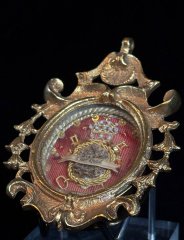
Indeed, Kalis Muda expressed hope that the visibility brought by the pilgrimage would draw more attention to the need for actual development of church facilities and local infrastructure.
However, the organizers view this struggle as part of the spiritual lesson.
The pilgrimage concludes not with a ceremony, but with a challenge. As the members of the Legion of Mary return to their daily lives, the metric of success is no longer the number of people who prayed before the relics, but how many of those prayers translate into tangible support for the orphans, the sick, and the impoverished of East Flores.
Fetal Brain Purges Mutation-Riddled Neurons Before Birth
More than one-quarter of neurons in the developing human fetal brain carry significant genetic abnormalities, but the vast...

Dublin Man’s Death by Misadventure: Jury Calls for Garda Restraint Training
A Dublin inquest jury has called for changes to how Irish police handle individuals in states of extreme...

Nudy says hormone therapy data shows conflicting cardiovascular results
Cardiovascular disease remains the leading cause of death for women both in the United States and globally, creating...
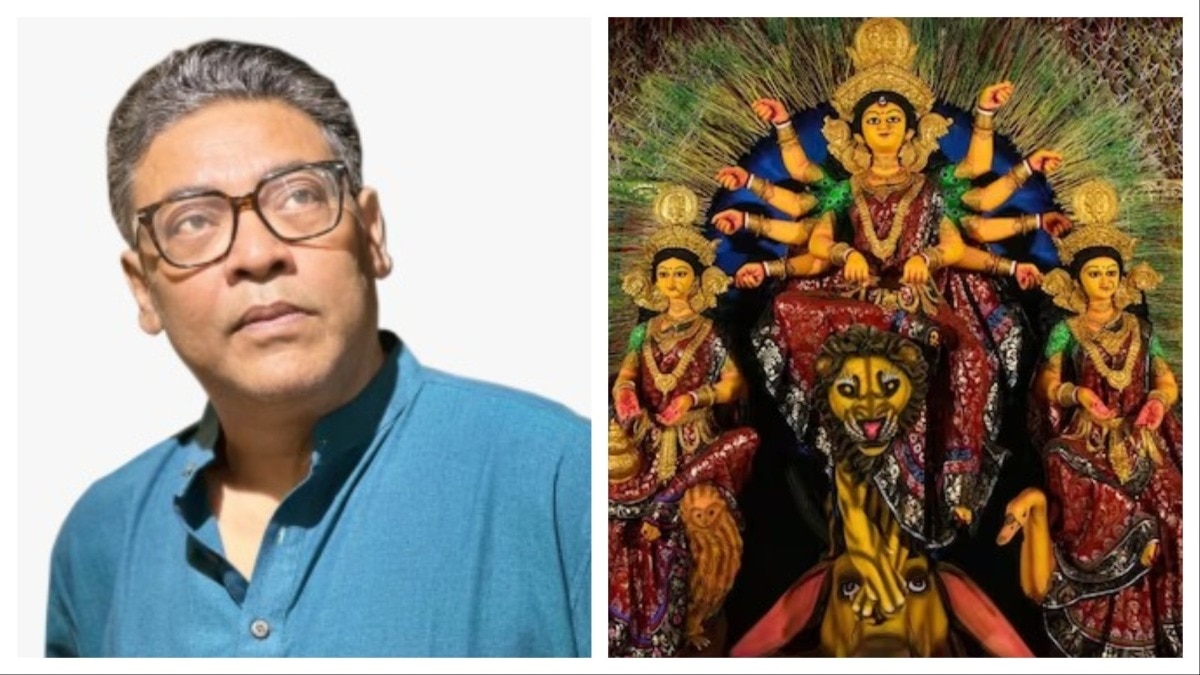
Former West Bengal Minister Indranil Sen Arrested in Durga Puja Ticket Scam
Former West Bengal tourism and culture minister Indranil Sen was arrested Wednesday evening, October 28, 2026, following a...