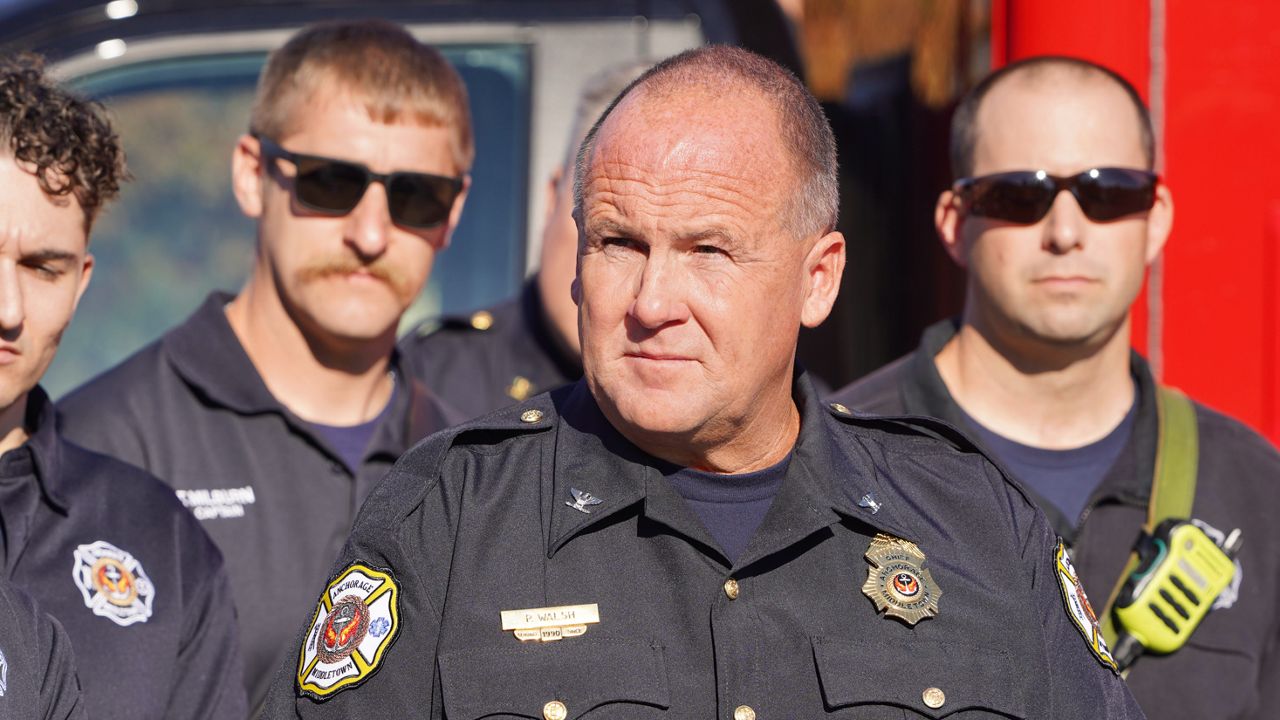
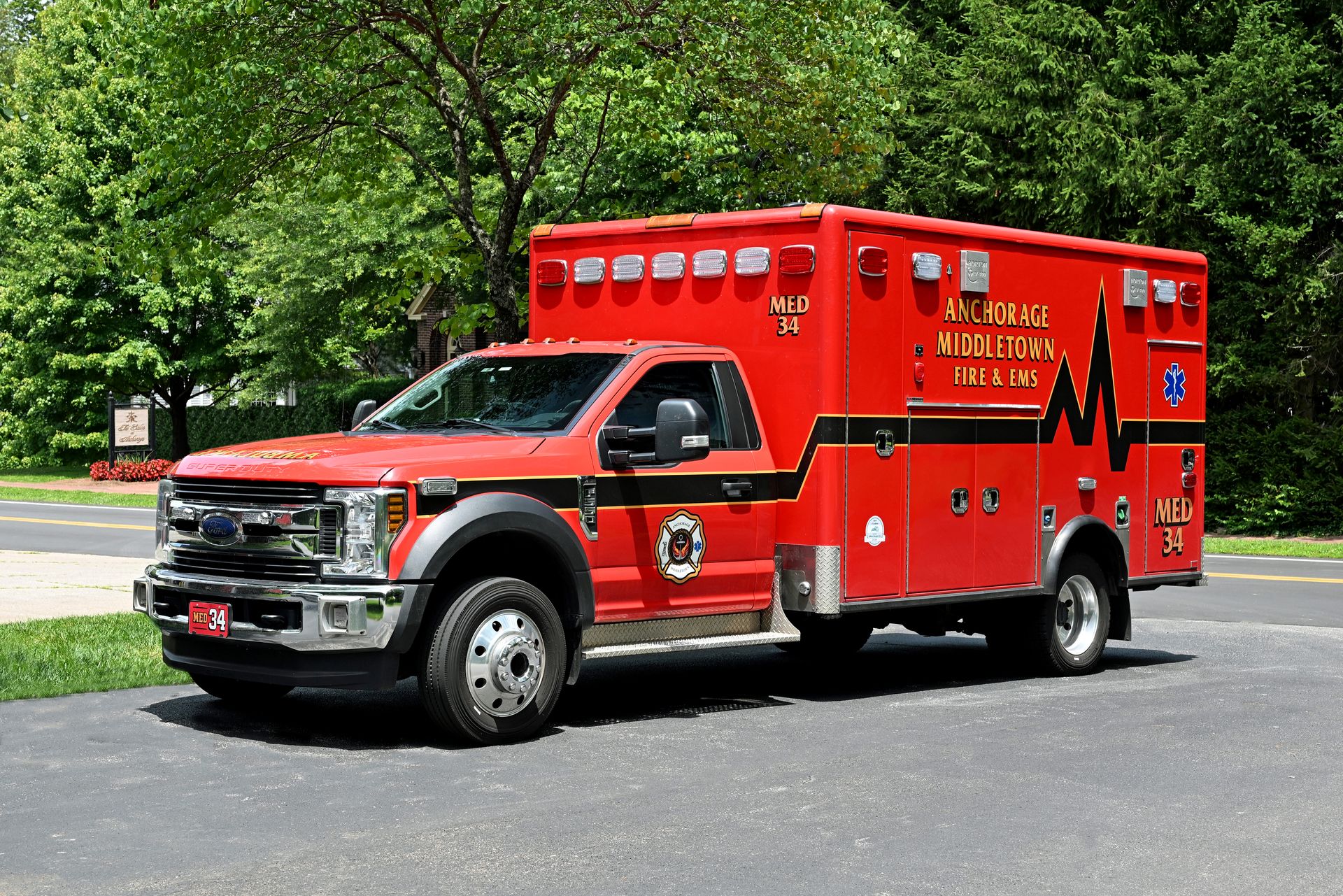
Firefighters with Anchorage-Middletown Fire & EMS are using National First Responders Day to highlight the enduring bond between public safety personnel and the Louisville community, coming nearly one year after a catastrophic UPS plane crash required a regional response.
The anniversary of the crash shows the scale of the tragedy and why "mutual aid" systems are necessary for departments to handle disasters. On November 4, 2025, UPS Flight #2976 crashed shortly after takeoff, resulting in 15 deaths. As the region prepares to mark one year since the event, the first responders who worked through that chaos say the experience solidified their connection to the people they protect, Spectrum News reported.
A regional response to a magnitude of crisis
For many in the Louisville area, the UPS crash was an event of a scale few had ever witnessed. Chief Pat Walsh of Anchorage-Middletown Fire & EMS noted that the response transcended local boundaries, drawing in first responders from across the entire region, extending well beyond Jefferson County.
This level of coordination is the result of formal mutual aid agreements—where departments agree to support one another during crises. Captain Ryan Frederico explained that these agreements create a reliable safety net: when a neighboring department is overwhelmed, help arrives; when Anchorage-Middletown needs support, that same help is returned.
The “so what” of these agreements becomes clear during a mass-casualty event. A single local station cannot manage a plane crash involving 15 fatalities. Without these pre-established frameworks, the response would be fragmented. The efficiency of the regional response in 2025 was a product of these bonds.
The psychological toll and the symbol of hope
Beyond the logistics of sirens and hoses is the human element of the job. Firefighter Briceson Rodgers described the profession as one of the last remaining symbols of general trust and hope for the public. For Rodgers, the decision to join Anchorage-Middletown Fire & EMS was driven by a desire for a more fulfilling life, a sentiment that has been reinforced by the community’s reaction to the crash response.
“Firefighters across the country, it’s like the last symbol of hope for people, last general sign of trust,” Rodgers told Spectrum News.
While the public often views firefighting through the lens of emergency response, Captain Frederico argues that the role is frequently misunderstood. He emphasizes that the department actively seeks opportunities to connect with residents to explain the daily realities of the job, moving beyond the narrative to show the actual work involved in public safety.
The tension between appreciation and burnout
The prevailing narrative from Anchorage-Middletown is one of strength and support. While Rodgers states there isn’t a day he doesn’t want to come to work, the nature of responding to a crash with 15 fatalities carries a psychological weight. The “bond” mentioned by the firefighters is a way to process the experience with peers who understand the scene.
While National First Responders Day—recognized by Congress since 2019—provides a formal moment of gratitude, the long-term recovery from a disaster like Flight #2976 requires more than a day of recognition.
Looking toward the anniversary
As the date of November 4 approaches, the focus for Louisville-area firefighters will shift from the celebratory tone of National First Responders Day to the solemnity of the one-year anniversary of the UPS crash. The event will serve as a marker of both the loss of life and the resilience of the mutual aid networks that defined the recovery effort.
For the residents of Anchorage-Middletown, the visibility of their local firefighters remains a point of stability. As Captain Frederico noted, the mutual appreciation between the department and the community is a two-way street, one that was tested a year ago and, according to those on the front lines, emerged stronger.
Keep reading

Patrick Habirora Trains With GSP Ahead of PFL Dubai on Nov 14
Undefeated Belgian fighter Patrick Habirora is preparing for a co-main event bout at PFL Dubai by training in...
The Early History of Gamecock Football: From the College Boys to the Clemson Rivalry
Long before the roar of "Sandstorm" filled the air at Williams-Brice Stadium, the University of South Carolina's football...

Providence voters to decide on divestment initiative Tuesday
Providence voters will decide this Tuesday whether the city should pull its investments from companies and countries profiting...

Harrisburg Police Increase Patrols for Halloween Celebrations
Harrisburg Police are increasing patrols and encouraging residents to take precautions as Halloween falls on a Saturday this...