
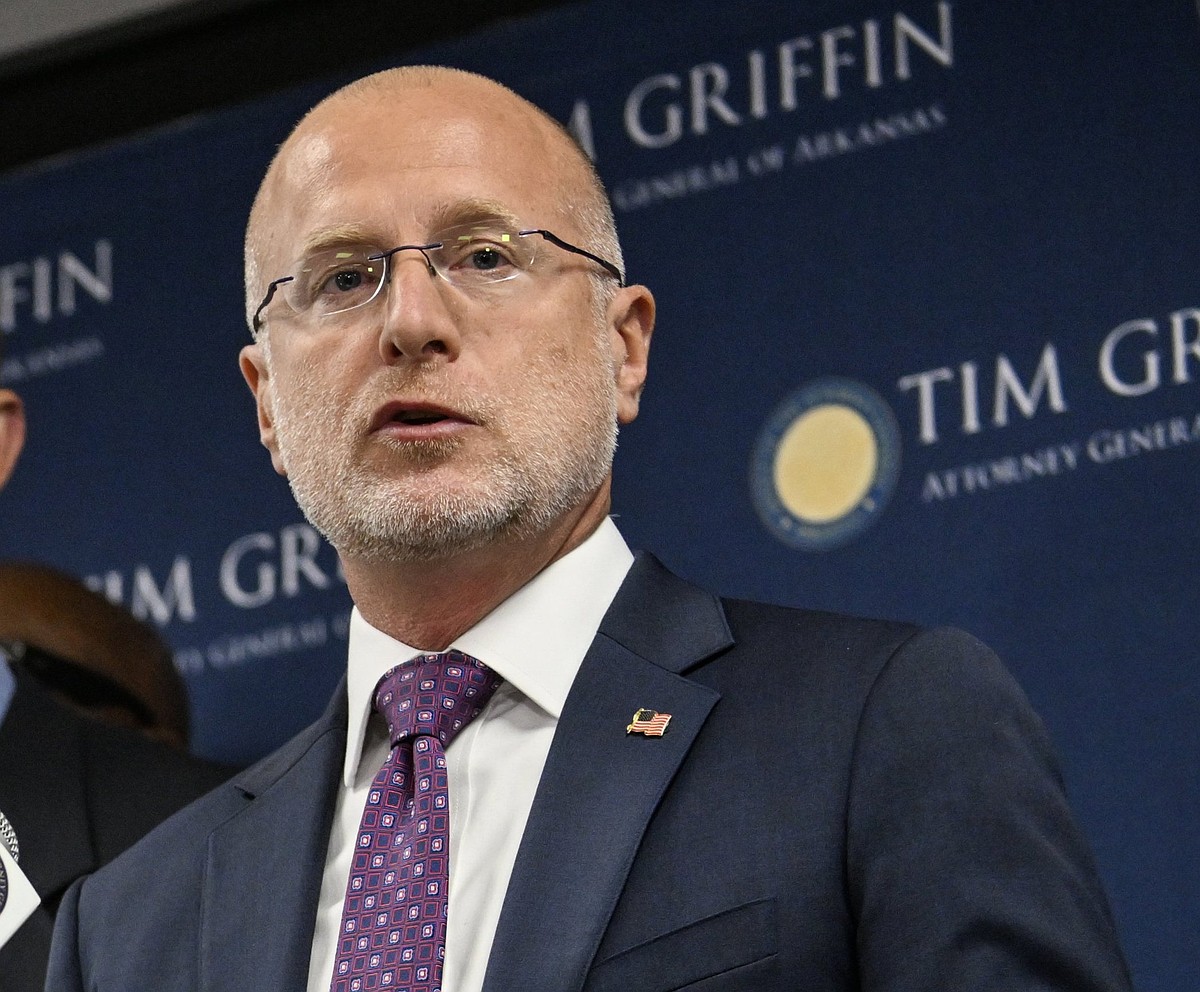
The Federal Communications Commission is moving forward with a rule change that would grant state and local correctional facilities the authority to jam cellphone signals, ending a long-standing federal prohibition on interfering with licensed radio communications. FCC Chair Brendan Carr announced the development during a press conference in Little Rock on October 28, 2026, noting that the commission is scheduled to vote on the final rule in three weeks.
For years, a federal law has barred states or individuals from “willfully or maliciously” interfering with authorized radio communications, which includes cellular service. While federal prisons have long possessed the ability to jam signals, state and local jails remained locked out of this capability. According to the Arkansas Advocate, Carr characterized the previous ban as the result of a “misreading” of the law.
The push to eliminate contraband connectivity
At the Little Rock event, Carr was joined by U.S. Sen. Tom Cotton and Arkansas Attorney General Tim Griffin, alongside corrections directors from Arkansas and South Carolina and a representative from the Federal Bureau of Prisons.
The stakes aren’t just about internal prison discipline; they are about public safety on the streets. Sen. Cotton highlighted a specific case in Georgia where a prison-based drug ring utilized contraband phones to move 14 kilograms of methamphetamine and nearly a kilogram of heroin into the Atlanta area. In South Carolina, the consequences were even more personal, as prisoners allegedly ran a sextortion scheme targeting hundreds of U.S. troops, a campaign that Cotton stated tragically led to several suicides.
Beyond the high-profile crime rings, the day-to-day danger for staff is a primary driver. Cotton noted that sheriffs and correctional officers have described the process of locating and seizing these devices as one of the most hazardous aspects of their employment. In Arkansas, state prison officials reported that a rise in gang violence coincided with an increase in the number of phones being confiscated from incarcerated individuals.

How the jamming authorization will work
Once the rule is approved, the process won’t be an automatic “on” switch for every jail in America. Instead, it will function as a regulated application process. Corrections officials will need to apply to the FCC and provide a detailed outline of how they intend to deploy the jamming technology. Only after agency approval can the facility begin operations.
The human cost of digital isolation
For many incarcerated people, contraband phones are the only way to maintain a relationship with their children or spouses, especially when the official prison phone systems are prohibitively expensive.
“If the prices on using the (prison) phones wasn’t so high, then I don’t think you’ll have this problem where they’re running into problems with individuals having cellphones,” said Kaleem Nazeem, a co-director of decARcerate who was previously incarcerated in state prison.
Nazeem argues that the majority of people using these devices aren’t running drug rings, but are simply trying to stay connected to loved ones and keep up with the modern world. The utility of these phones extends to education and transparency; some incarcerated individuals have used them to take virtual college courses, and they were instrumental in the production of The Alabama Solution, an Oscar-nominated documentary that exposed dangerous conditions in Alabama’s prison system.
A political battle over public safety
The timing of this FCC move is not purely administrative. Sen. Cotton, a staunch advocate for the rule, is currently running for reelection against Democrat Hallie Shoffner and Libertarian Jeff Wadlin. Cotton has attempted to bypass the FCC’s slow-moving regulatory process by introducing legislation twice to prohibit the agency from blocking state jamming efforts, though those bills never reached a Senate committee vote.
The tension reflects a broader debate over the purpose of incarceration: is the goal total control and security, or is it rehabilitation and the maintenance of family bonds? By deauthorizing the use of cellphones within these facilities, the FCC is siding with the security apparatus, treating the smartphone as a contraband weapon rather than a tool for reentry.
The commission’s vote in three weeks will determine whether the “misreading” of the law is officially corrected, potentially silencing thousands of illicit connections—and thousands of family ties—across the American correctional system.
Worth a look

Patrick Habirora Trains With GSP Ahead of PFL Dubai on Nov 14
Undefeated Belgian fighter Patrick Habirora is preparing for a co-main event bout at PFL Dubai by training in...
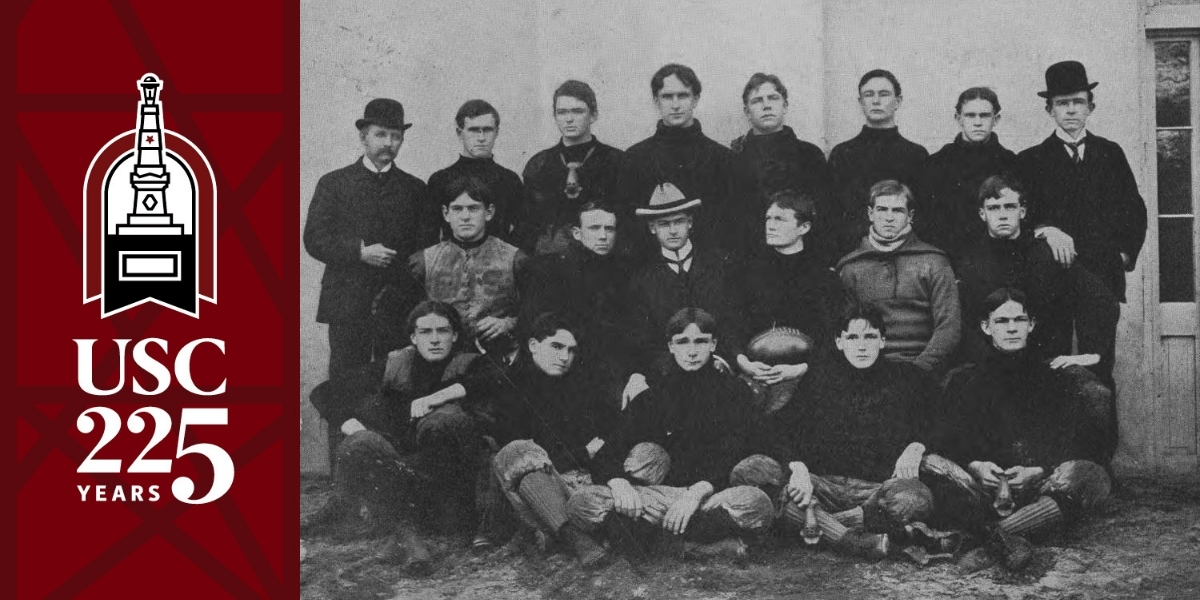
The Early History of Gamecock Football: From the College Boys to the Clemson Rivalry
Long before the roar of "Sandstorm" filled the air at Williams-Brice Stadium, the University of South Carolina's football...

Providence voters to decide on divestment initiative Tuesday
Providence voters will decide this Tuesday whether the city should pull its investments from companies and countries profiting...

Harrisburg Police Increase Patrols for Halloween Celebrations
Harrisburg Police are increasing patrols and encouraging residents to take precautions as Halloween falls on a Saturday this...