Leon County voters sent a definitive message on Tuesday, rejecting a proposal to consolidate the City of Tallahassee and Leon County governments. With 60.51% of the electorate voting against the measure, the outcome mirrors a long-standing pattern of local skepticism toward structural government overhaul. Out of 113,419 total ballots cast, 68,627 voters chose to maintain the status quo, while 44,792 supported the merger.
This advisory vote marks the fifth time since 1971 that local voters have turned back attempts to merge city and county operations. According to reporting by Tallahassee Reports, the margin of defeat is remarkably consistent with the last major attempt in 1992, which also failed by a 60% to 40% split. For decades, the debate has remained anchored in the same persistent anxieties: concerns about rural representation, the potential for increased taxation, shifts in law enforcement control, and the equitable distribution of government services.
The Persistence of the Status Quo
Unlike previous efforts that presented voters with a binding charter, Tuesday’s straw ballot was nonbinding. It asked a fundamental question: whether the county should move forward with a plan to combine the two governments under a unified leadership structure. Had it passed, any path toward actual consolidation would have necessitated approval from the Florida Legislature followed by yet another voter referendum. By rejecting the initial inquiry, voters have effectively signaled that they see no mandate to begin that legislative process.
Proponents of consolidation have long argued that a merger could streamline operations, reduce the duplication of services, and improve general efficiency. In practice, however, the City of Tallahassee and Leon County already exist in a state of operational overlap. They currently coordinate through shared planning initiatives, joint economic development efforts, emergency dispatch systems, and the various programs under the Blueprint intergovernmental agency. This existing framework of cooperation created a unique tension during this campaign; for many voters, the “fix” for government inefficiency was already being addressed through interlocal agreements, rendering a full-scale merger unnecessary or even risky.
The historical record shows that these proposals are rarely about simple logistics. They are about the identity of the community. In a report published by Tallahassee Reports, founder Steve Stewart, who has tracked local political shifts since arriving in the area in 1989, highlights that the debate has consistently pitted the desire for administrative streamlining against a deep-seated fear of losing local control. For the suburban and rural residents of Leon County, the prospect of being governed by a singular, city-dominant entity has historically been a non-starter.
The consistent rejection of these proposals over five decades suggests that for the average Leon County resident, the perceived risks of a consolidated government—whether in terms of tax policy or representation—far outweigh the abstract promises of administrative efficiency.
The Economic and Civic Stakes
So, what does this mean for the taxpayer? In the short term, very little changes. The city and county will continue to function as separate legal entities, each with its own budget, tax rate, and municipal service obligations. For businesses and residents, the predictability of the current system remains intact. Yet, the persistent failure of these referendums creates a specific type of civic paralysis. When a structural question reappears on the ballot every few decades only to be rejected by nearly identical margins, it suggests that the community is not merely voting against a specific plan, but against the very idea of consolidation itself.
The opposition’s victory is a reminder of the power of localized governance. Critics of the consolidation plan often point to the different needs of urban Tallahassee versus the unincorporated areas of the county. They argue that a centralized government would inevitably prioritize the city core, potentially at the expense of rural infrastructure or county-specific priorities. While the supporters of the measure point to the potential for cost savings, those savings remain theoretical without a specific charter to analyze. In the absence of a concrete, binding proposal, voters have consistently chosen to stick with the government they know.
As the dust settles on this latest advisory vote, the focus will likely shift back to the existing collaborative models. If the goal is truly to reduce duplication, the current reliance on joint programs like those managed under the Blueprint intergovernmental agency will likely intensify. For now, the question of consolidation has been put to rest, likely for another generation. The voters have spoken, and they have chosen to keep the city and the county on their separate, long-established paths.
Keep reading

Touring the Early Christian Sites of Damascus: Following the Footsteps of Paul
Tracing the Apostle Paul Through a Resurgent Damascus In a recent column for the Biblical Archaeology Review, Mark...
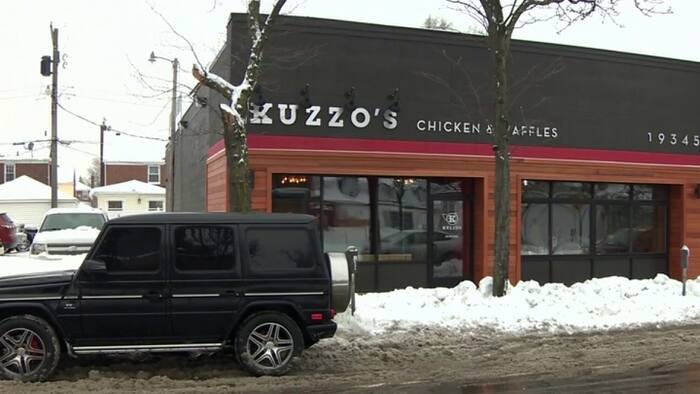
Kuzzo’s Chicken and Waffles owner Ronald Bartell arraigned for tax charges
The Tax Charges Facing a Detroit Culinary Staple For over a decade, Kuzzo’s Chicken and Waffles stood as...

PBC Runners of the Year Named: Nasrudin Mohamed and Gabrielle Jourdain
Augusta University Dominates Peach Belt Conference Cross Country Honors As the Peach Belt Conference (PBC) prepares for its...
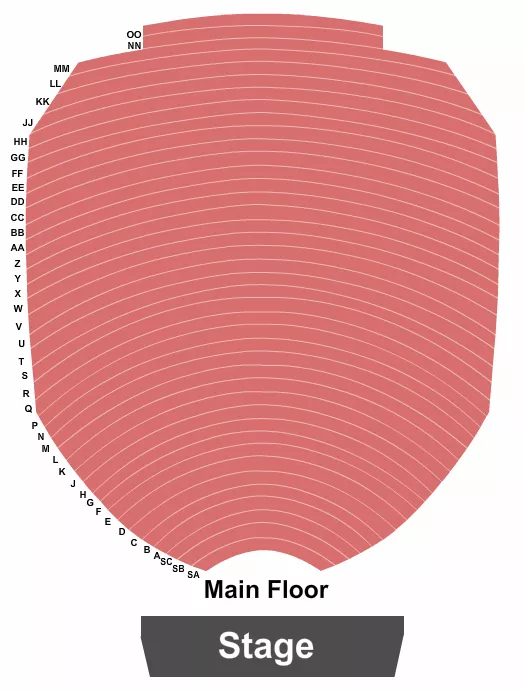
Black Panther In Concert Live at Des Moines Civic Center
Marvel Studios’ Black Panther in Concert is coming to the Des Moines Civic Center, offering a live orchestral...