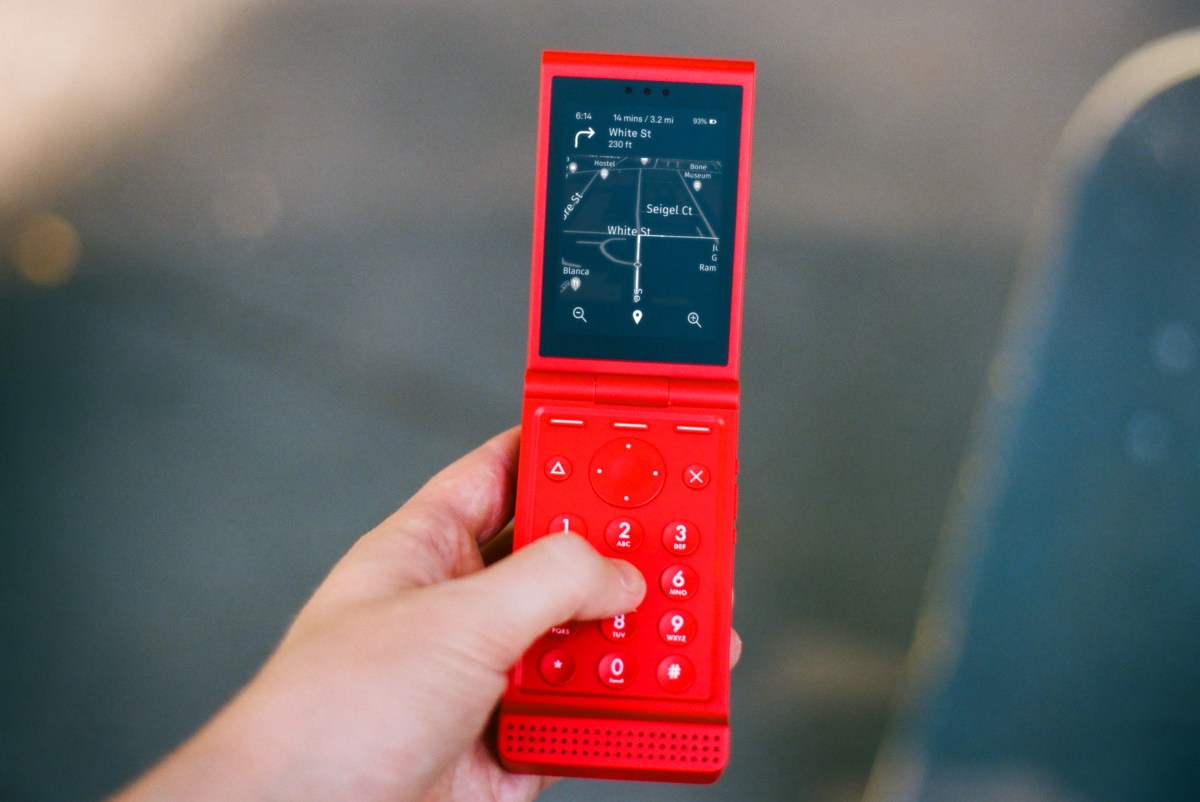
Light, the startup behind the minimalist smartphone alternative Light Phone, has unveiled its first-ever flip phone, the Light Flip, as part of its efforts to combat digital overstimulation and offer a more intentional mobile experience. The device, priced at $299, is designed to appeal to Gen Z users and self-styled “luddites” seeking a distraction-free alternative to modern smartphones.
Design and Features
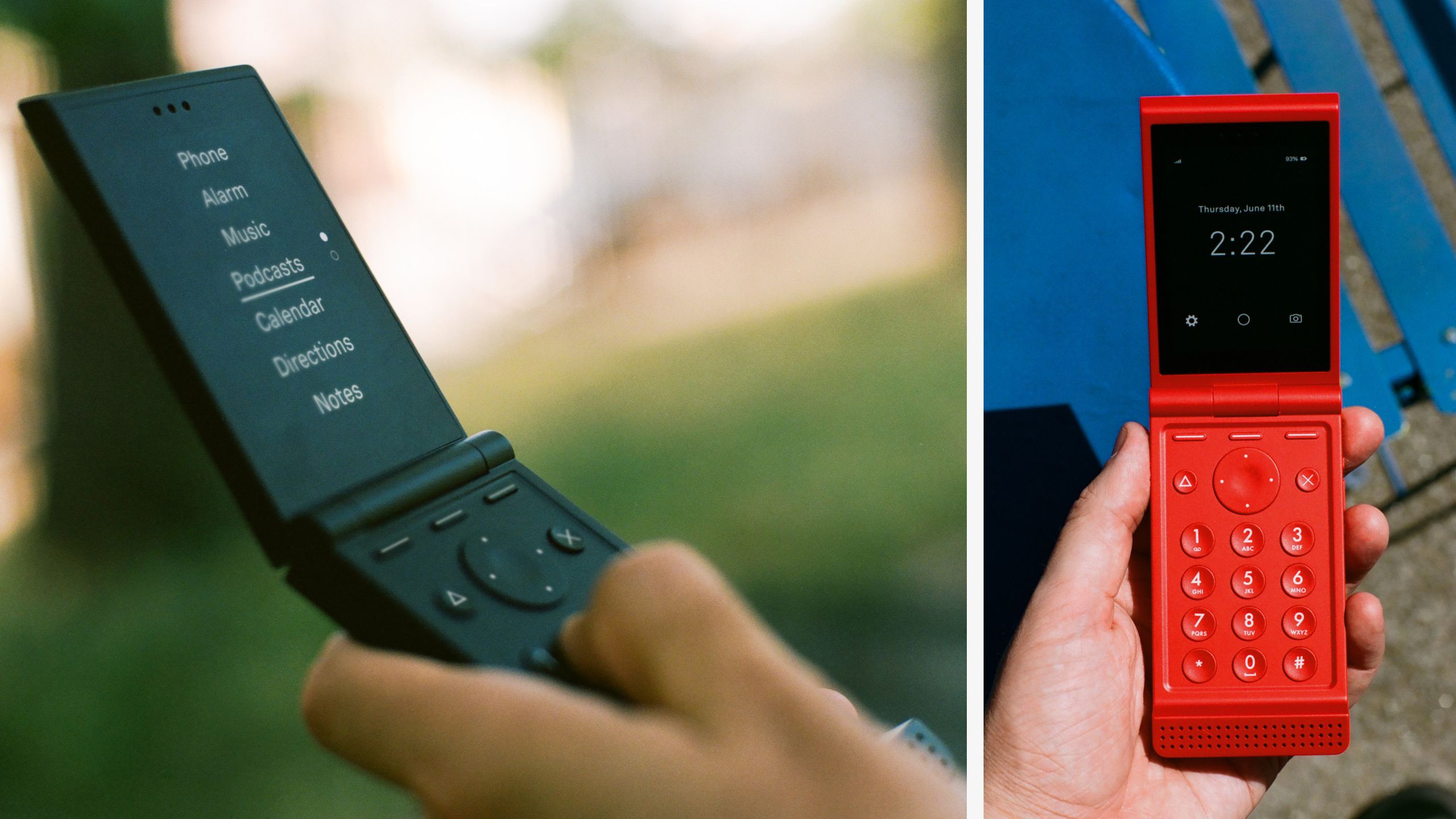
The Light Flip is built on the same custom Android-based LightOS platform as its predecessor, the Light Phone III, but with a tactile, non-touchscreen interface. It features a 2.8-inch OLED display inside the flip, a directional pad, and a T9 predictive texting system for input. Unlike modern folding smartphones, the Light Flip lacks an external screen, relying instead on a single notification light to signal incoming calls or messages. The phone is made of plastic, allowing for a range of colors—black, red, yellow, pink, navy blue, and light grey—and includes a replaceable 1,800-mAh battery, a 12-megapixel rear camera, and a 3.5mm headphone jack. It supports 5G and 4G LTE connectivity, USB-C charging, and both nano-SIM and eSIM cards. TechCrunch
Light’s founders, Kaiwei Tang and Joe Hollier, emphasized the device’s focus on symbolic closure,
with a reinforced hinge and a deliberate lack of external screens to discourage constant digital engagement. Hollier described the Flip as a “cousin” to the Light Phone III, noting that it retains core functionality while reducing features to prioritize simplicity. The phone also includes a developer SDK, enabling third-party app creation, though the current toolset—Phone, Alarm, Calculator, Calendar, and Directions—remains limited. WIRED
Target Audience and Community Building
Light’s pitch targets Gen Z users and “luddites” who view smartphones as sources of distraction and mental fatigue. The company highlighted the growing appeal of flip phones among younger demographics, citing feedback from users who praised the form factor’s “proud” and “symbolic” qualities. They’re describing the flip phones in negative language, but they stick with it, and they feel proud,
said Tang, referencing interviews with Gen Z users. TechCrunch
The Light Flip also aims to cultivate a community around its philosophy. The company launched a “Flip Your Life” program to help users transition from smartphones, including bi-weekly newsletters and a support network. This initiative follows the founders’ experiences with the Luddite Club, a group of Brooklyn teens critiquing corporate overreach into mental health through smartphone use.
Pricing and Accessibility
Priced at $299 for an unlocked model, the Light Flip is significantly cheaper than the Light Phone III, which retails for $799. Light also offers a financing option through its partnership with Noble Mobile, a carrier founded by Andrew Yang. Customers can opt for a two-year contract at $39 per month for the Flip, compared to $59 per month for the III. The company functions as a virtual operator in the U.S., U.K., and Canada, leveraging third-party networks to reduce costs. TechCrunch

However, Light views this as a deliberate design choice. We’re uniquely positioned with our experience,
said Hollier, referencing the company’s 10-year history of creating minimalistic devices. The phone’s IP54 water- and dust-resistant rating and 128GB storage with 6GB RAM further emphasize its focus on functionality over excess. Gizmodo
Release and Future Plans
The Light Flip is scheduled to ship in April 2027, a timeline that Light acknowledges is a long lead time.
To maintain engagement, the company is testing a “Flip Your Life” program, which includes educational content to help users adjust to a less connected lifestyle. Tang referenced the Summer of Ludd festival in New York City, where attendees rejected smartphone use, as evidence of a growing cultural shift toward digital minimalism. WIRED
Light’s strategy also involves expanding its developer ecosystem. While the Light Flip’s current app set is limited, the company plans to allow third-party tools via its SDK, potentially broadening its utility.
Keep reading
OpenAI Rolls Out Locked Chats with 4-Digit PIN on October 20, 2026
OpenAI rolled out a new privacy feature on October 20, 2026, allowing ChatGPT users to lock sensitive individual...

Elon Musk confirms discussion of merger between Tesla and SpaceX
Elon Musk confirmed that special committees are formally evaluating a potential merger between SpaceX and Tesla, calling the...

NASA’s Perseverance Rover Sets Off-World Driving Record
NASA’s Perseverance rover has shattered the off-world driving record, traveling 28.1 miles across Mars in just five and...
Apple CEO John Ternus on Design and Foldable Innovation
Apple’s newly appointed Chief Executive Officer, John Ternus, has landed the cover of TIME magazine's Best Inventions of...