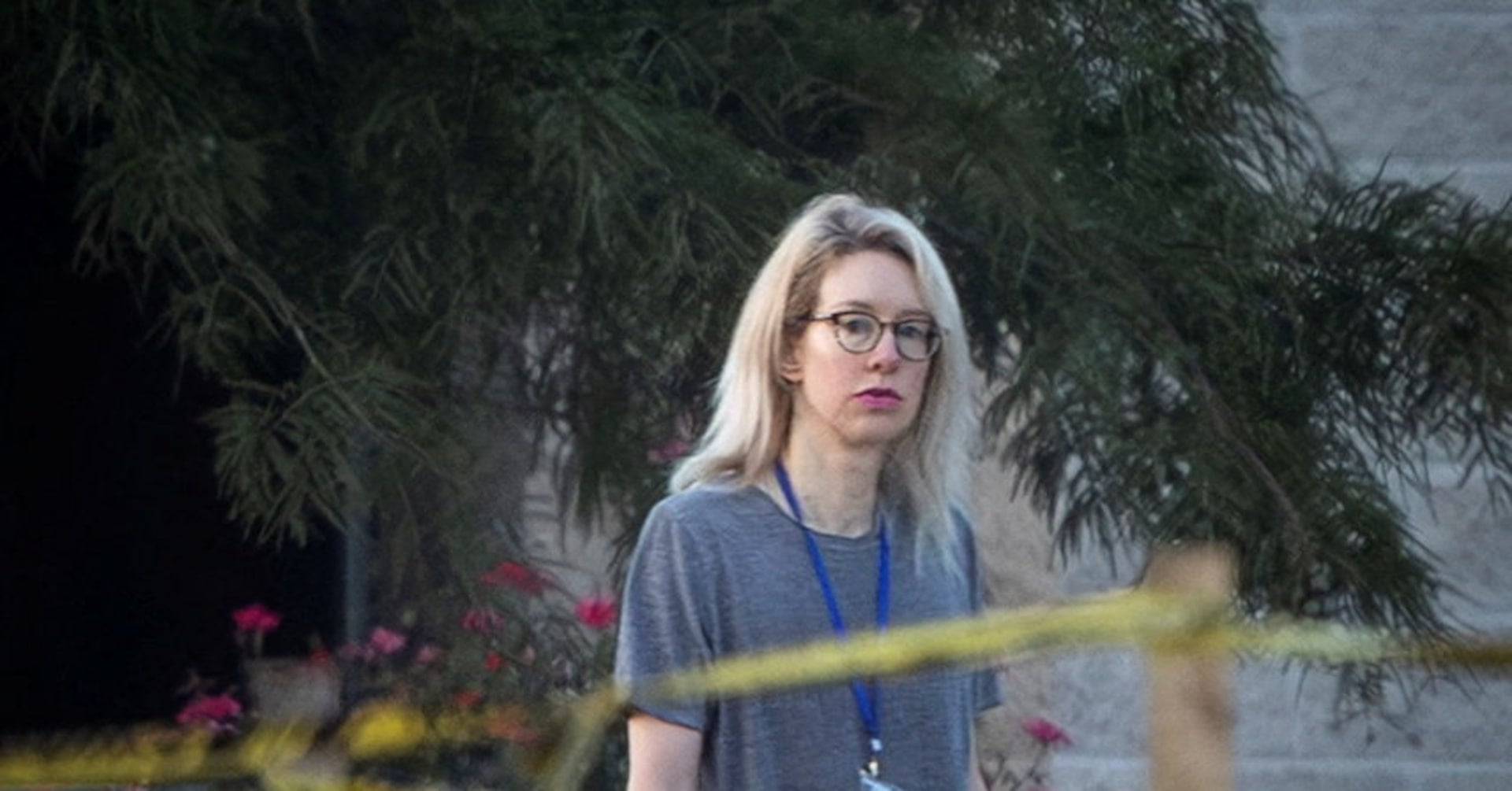
Comedian Nathan Fielder and co-director Lance Oppenheim tackle the life of convicted Theranos founder Elizabeth Holmes in the documentary-hybrid film You Can See Everything,
drawing massive crowds and sparking intense debate over performance, manipulation, and truth.
When You Can See Everything
opened in theaters, it immediately shattered expectations for documentary box office performance. The three-hour film pulled in $15 million from just 855 venues during its opening weekend, securing the largest debut for any film playing on under 1,000 screens since the 2006 release of “Borat,” according to trade figures.
Produced in secret by A24 over three years for roughly $7 million, the project caught audiences off guard with its unorthodox approach. The documentary follows Holmes and her family during their final 34 days before she reported to federal prison in Texas to begin serving an 11-year sentence for defrauding investors.
Access, Interrogation, and the Question of Honesty
Unlike the federal fraud trial in San Jose, where prosecutors presented a curated case to a jury that ultimately convicted Holmes on four counts related to investors, Fielder gains seemingly unfiltered access to Holmes and her partner, Billy Evans. Throughout the film’s first half, Fielder plays a skeptical observer, moving into the couple’s San Diego beach rental for the final weeks before her surrender.
Fielder presses Holmes on whether she misled the public about her blood-testing startup, which claimed its Edison machine could run hundreds of tests from a single drop of blood when it could reliably run only 12. Confronted with these claims, Holmes insists she never intentionally deceived anyone.
I interviewed Billy, Elizabeth’s partner, following a private screening last night.I can’t say what we talked about because it was off the record. But I will say the doc is a masterpiece.Billy was magnanimous in conversation. I gave him every opportunity to defend himself… https://t.co/1Ut4wgo6GH
— https://x.com/bryan_johnson/status/2111580908914639119
The world believes a reality about me that isn’t true.
Elizabeth Holmes, via The New Yorker
STAT health reporter Matt Herper, who interviewed Holmes twice during the peak of Theranos mania in 2015, points out in an essay that the documentary treats verifiable misstatements—such as false claims that Theranos devices were deployed by the military or endorsed by major pharmaceutical companies—as debatable matters rather than established falsehoods.
Amanda Seyfried, Reenactments, and the Meta Shift
After Holmes enters federal prison, the film takes an unexpected turn into psychological thriller territory. Because the filmmakers lack footage for certain conversations and memories, they turn to dramatic reenactments that blur the line between fact and fiction.
There's lots of people out there rationalizing dishonesty and it's bad https://t.co/cB839aOzTi pic.twitter.com/swMVeTNEdA
— https://x.com/mattyglesias/status/2112622021393670393
Actress Amanda Seyfried, who previously portrayed Holmes in the Hulu miniseries “The Dropout,” returns to the material as a co-conspirator and partner to Fielder. Sitting on a couch with Fielder, Seyfried watches documentary footage and steps back into the role of Holmes for elaborate recreations, creating an uncanny hall of mirrors that leaves viewers questioning what is real.
Billy Evans and the Search for Creative Control
While the first half centers on Holmes, the post-prison portion of the documentary trains its lens squarely on her partner, Billy Evans. Evans, a 34-year-old hotel heir from a prominent San Diego family, met Holmes in June 2017 at a Fleet Week party in San Francisco.

In a critical scene highlighted by The Mercury News, Evans sits in a meeting with Fielder, co-director Lance Oppenheim, and A24 producers to demand creative input and a financial stake in the project. Pointing to the success of Prince Harry and Meghan Markle’s Netflix docu-series, Evans claims the royal couple received $100 million for their production deal.
Later revelations in the film show that Evans ultimately struck a deal with A24 to secure a cut of the documentary’s profits while Holmes remained behind bars. The disclosure left theater audiences gasping and cast Evans as the film’s unexpected antagonist.
New Ventures and Unresolved Questions
Meanwhile, Evans has launched a new diagnostics startup named Haemanthus—derived from the Greek words for blood and flower, and sharing a name with the blood lily, which blooms stalk-first with no foliage to obscure the view. Haemanthus representatives insist the venture is entirely separate from Theranos, featuring new leadership and different technology, though it shares a similar mission of making diagnostic testing more accessible.
Whether audiences watching the documentary are gaining genuine insight into a misunderstood figure or falling victim to a sophisticated manipulation remains fiercely debated by critics, whistleblowers, and viewers alike.
More on Elizabeth Holmes
Amid the cinephiles' lofty debates about truth and art, it's worth listening to @TylerShultz_'s take on the film and on Elizabeth. https://t.co/aCyWHwmNMI
— https://x.com/JohnCarreyrou/status/2112229324535337324
🎬 For @Variety is @rebeccaarubin who is always at the forefront of box office reporting, covering a remarkable weekend for @A24's “You Can See Everything” and an eclectic lineup at the movies.“This is yet another eclectic, interesting weekend, and that has been the hallmark of…
— https://x.com/PDergarabedian/status/2111885716586426604
‘YOU CAN SEE EVERYTHING’ opened with $15M domestically.Biggest opening weekend for a non-music documentary in over 2 decades. pic.twitter.com/OpEeHoM32p
— https://x.com/DiscussingFilm/status/2111824693326176509
—> “You Can See Everything” just saw the biggest box office opening for a documentary in more than 20 years. https://t.co/OqUFsE11gZ
— https://x.com/brianstelter/status/2111967787921097027
Worth a look

Paul McCartney and Ringo Starr Back Beatles Attraction Relocation
Apple Corps has announced plans to relocate and expand Liverpool's The Beatles Story museum into a 100,000-square-foot site...
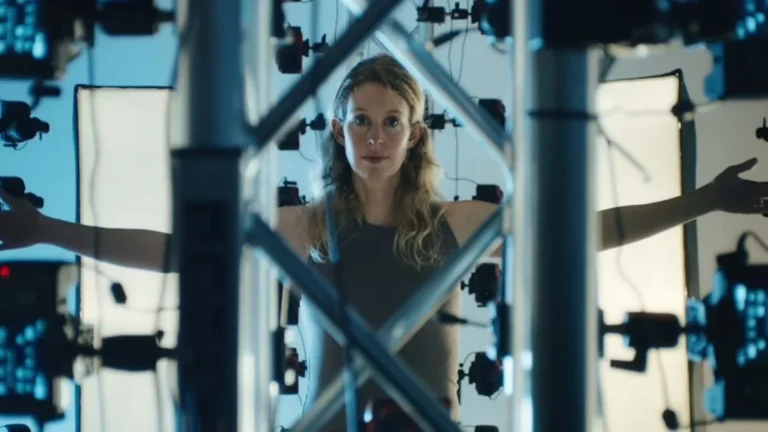
Nathan Fielder’s Documentary Tops Box Office With $15 Million Opening
Nathan Fielder and Lance Oppenheim’s documentary You Can See Everything, which examines the final days of Theranos founder...

Nintendo Switch Sports Resort Launches on October 22, 2026
Nintendo brings its iconic tropical hub back for the Switch 2 with Nintendo Switch Sports Resort, launching on...
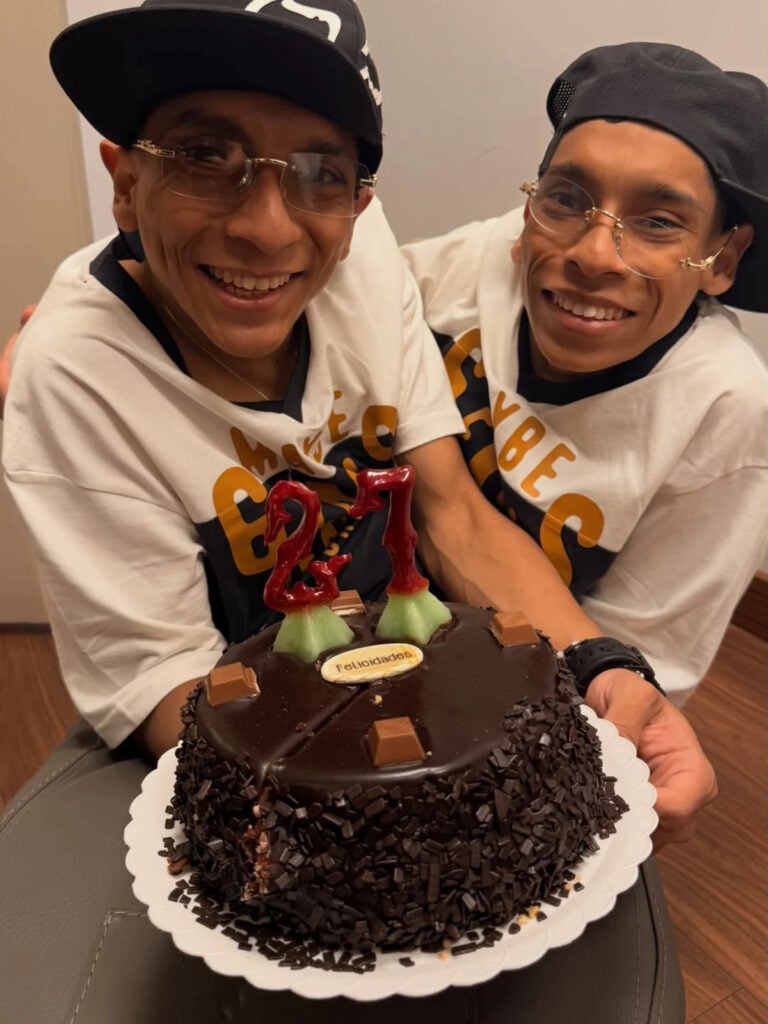
Conjoined Twins José Luis, José Armando Cevallos Dead at 27 After Emergency
Ecuadorian conjoined twin influencers José Luis and José Armando Cevallos have died at age 27.