
Lincoln Secures $11.7 Million for West O Street Safety Overhaul
The city of Lincoln has been awarded an $11.7 million federal grant to overhaul a 1.8-mile stretch of West O Street, a project aimed at curbing a persistent history of traffic fatalities and serious injuries along one of the city’s primary industrial and transit corridors. Mayor Leirion Gaylor Baird announced the funding on Friday, confirming that the award from the U.S. Department of Transportation’s Safe Streets and Roads for All (SS4A) program will anchor a total $14.6 million effort between Northwest 22nd and Third streets.
This latest infusion of capital brings Lincoln’s total competitive federal transportation funding secured under the Bipartisan Infrastructure Law to over $100 million. The project, which requires a $2.9 million local match, targets a segment of the city that has seen four of Lincoln’s 78 traffic fatalities within the last five years, according to city data. With a daily volume of 19,000 to 22,000 vehicles, the corridor acts as a vital artery for freight, transit, and local commerce.
Engineering a Safer Corridor
The planned transformation focuses on physical infrastructure changes designed to reduce the frequency and severity of crashes. Drawing on the Safe Streets Lincoln Vision Zero Action Plan, the city intends to implement a suite of traffic-calming measures. Federal Highway Administration safety data suggests that these specific interventions—including the installation of four multi-lane roundabouts at major intersections like Northwest 20th Street and U.S. 6/Sun Valley Boulevard—can reduce crash rates by 39% to 42%.
Beyond the roundabouts, the design includes raised medians to manage vehicle access and a dedicated turn lane at Northwest 16th Street. These additions are intended to address the chaotic flow of traffic that often characterizes high-speed, multi-use corridors. The city’s long-term projections estimate that the improvements could prevent roughly 25 fatal or serious-injury crashes over the next two decades, while simultaneously generating approximately $78 million in total safety benefits.
By investing in West ‘O’ Street, we can continue our work to eliminate traffic fatalities and serious injury crashes while supporting businesses, encouraging redevelopment, improving accessibility, and strengthening this important entryway into our city.
Balancing Economic Growth and Public Safety
The project arrives at a time when Lincoln is attempting to reconcile the corridor’s role as an industrial hub with the need for modern pedestrian and transit safety. West O Street serves a diverse array of stakeholders, from social service providers and residential neighborhoods to heavy industrial properties. The city has committed to involving these community members during the design and preconstruction phases to ensure the infrastructure does not stifle the economic activity that relies on this entryway.
While the project promises safety, it also highlights the inherent tension in urban planning: the trade-off between vehicle throughput and road safety. Business owners and freight operators in the area will likely watch the construction schedule closely, as access management changes—such as raised medians—can alter how customers and delivery vehicles enter and exit commercial properties. The city’s inclusion of “access management improvements” suggests a deliberate, albeit complex, effort to balance these competing interests.
The grant was secured with the support of Nebraska’s congressional delegation, including U.S. Senators Deb Fischer and Pete Ricketts, and U.S. Representative Mike Flood. This successful application follows previous federal awards for the city’s Multimodal Transportation Center and the 33rd Street and Cornhusker Highway intersection project. As the city moves into the design phase, the focus will shift to how effectively these physical changes can be integrated into a corridor that has historically prioritized speed and volume over multimodal safety.
Worth a look

Montana’s 1st District Becomes Surprise Toss-Up as Political Divisions Split Families
Montana's 1st Congressional District Shifts to a Toss-Up A toss-up race in deep red Montana territory mirrors a...
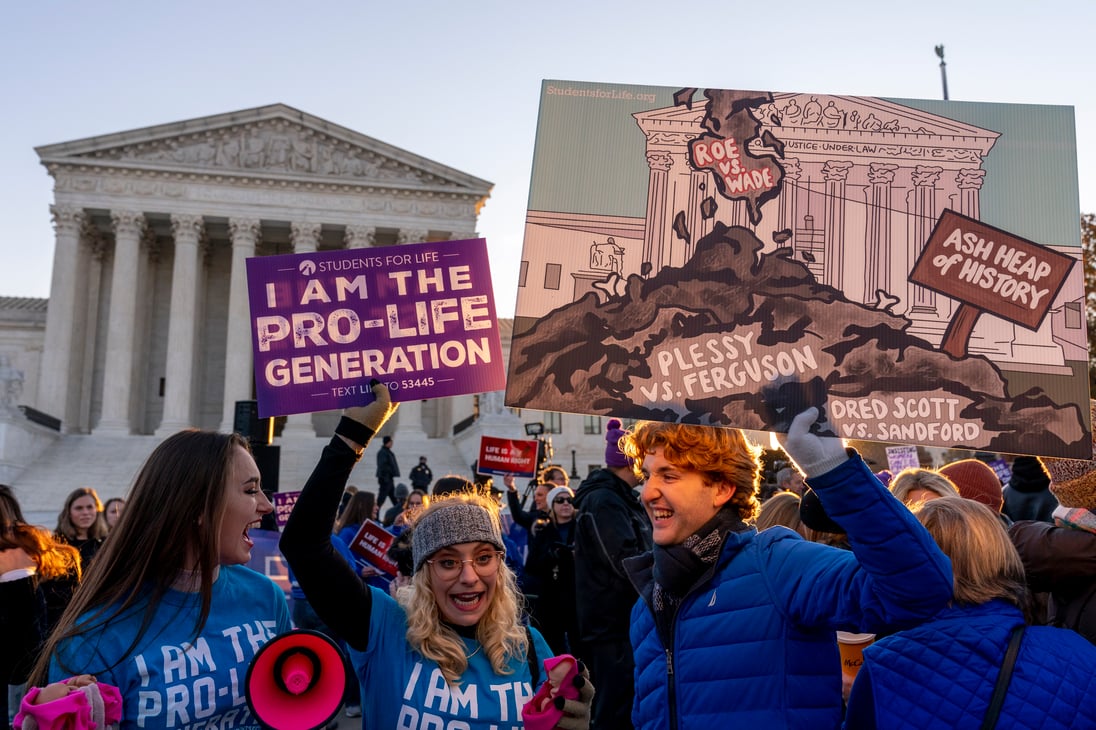
Ninth Circuit Clears Idaho to Enforce Abortion Ban Pending Appeal
Ninth Circuit Freezes Injunction, Allowing Idaho to Enforce Abortion Ban in Health-Risk Cases A divided federal appeals court...

Morning Keys: Tobin on recovering Amoris Laetitia – Where Peter Is
Cardinal Tobin Assesses Amoris Laetitia Recovery Amid Surgery Cardinal Joseph Tobin of Newark published a column declaring that...
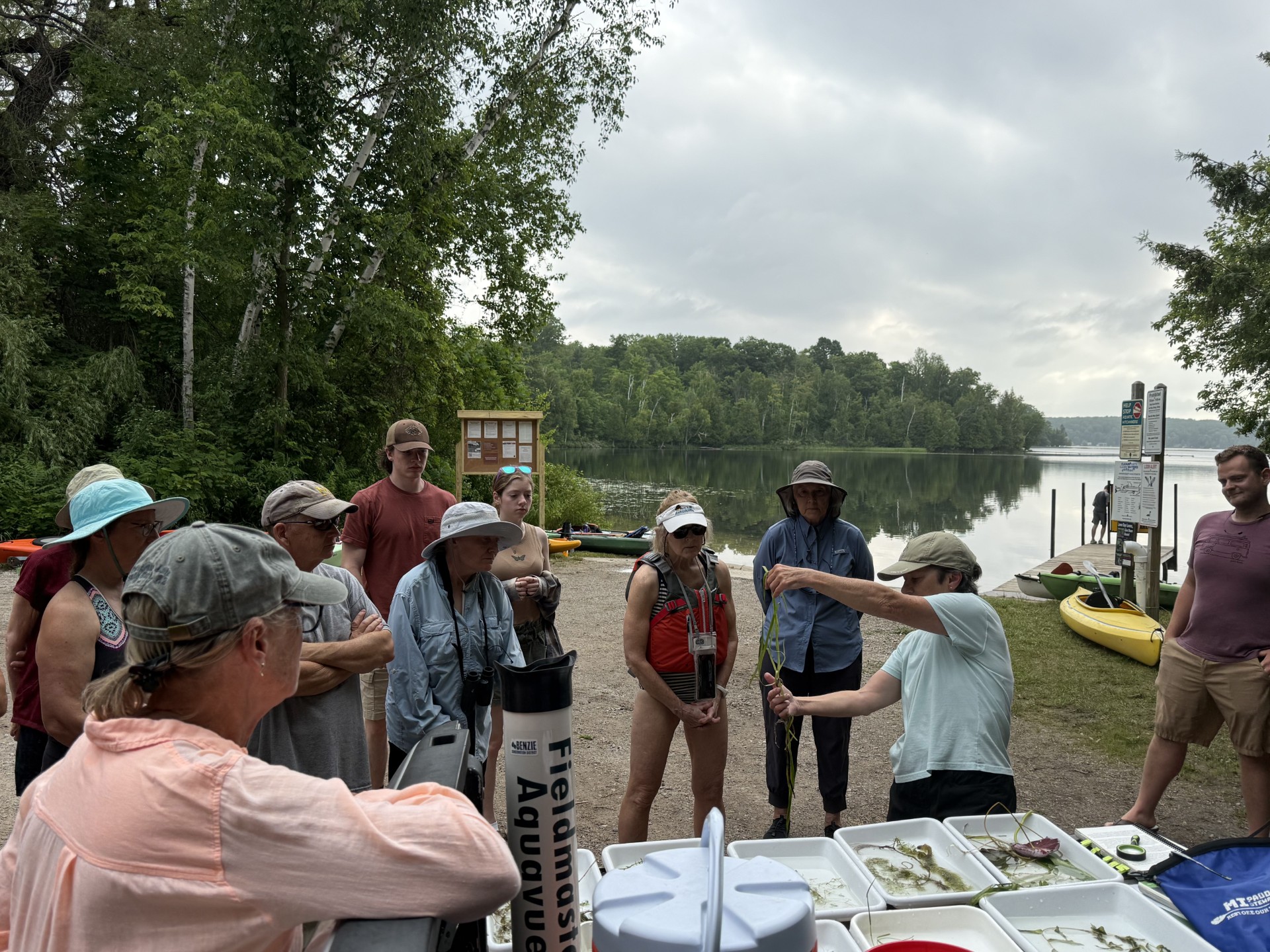
New Nonprofit Friends of Benzie Conservation District Launches
For 82 years, the Benzie Conservation District has managed the lakes, forests, and farms of Benzie County. Now,...