
Montana’s 1st Congressional District Shifts to a Toss-Up
A toss-up race in deep red Montana territory mirrors a complicated midterm landscape, with control of Congress hanging in the balance as voters grapple with affordability concerns, presidential unpopularity, and broader geopolitical strains, USA Today reported. A few miles outside the 300-person town of Drummond, nestled on a plot of private land just off Interstate 90, a roadside political sign encourages travelers to support both a conservative candidate for the state legislature and a progressive running for one of Montana’s two seats in the U.S. House of Representatives.

The display represents a compromise between Denise Hultman and one of her adult children. Her son wanted the sign up to back Democratic candidate Sam Forstag, a former smokejumper whom he fought wildfires alongside years ago. Seeking to avoid family conflict, Hultman, who describes herself as extremely conservative, added a Republican name of her own.
Those roadside family divisions reflect the messy political dynamics playing out across swing districts nationwide. Electorally hampered by broad affordability concerns, President Donald Trump’s unpopularity, and the Iran war, many Republicans find themselves playing defense in states once considered safely red. Those same factors have placed control of Congress within Democrats’ grasp, threatening to stall the Trump administration’s unfinished agenda.
From Safe Territory to a Tight Contest
Even in Montana, a state Trump carried overwhelmingly two years ago, Democrats have carved out an opening to regain power. The western congressional district, which retiring Republican Rep. Ryan Zinke won in 2024 by 8 percentage points, has spent months inching away from GOP candidate Aaron Flint, a conservative radio host and veteran.
The nonpartisan elections handicapper the Cook Political Report moved the race from likely Republican to lean Republican in September, before shifting it to a toss-up this month. Republican House Speaker Mike Johnson acknowledged the tightening margin at a recent Flint campaign event in Bozeman, telling supporters he was very depressed to learn the district was rated a toss-up.
In the final stretch of the campaign, Vice President JD Vance and Donald Trump both traveled to the Treasure State to rally the base. During an Oct. 14 rally in Kalispell, the president urged Montanans to treat the ballot as though he personally were running.
Whether that presence will bog down Republican candidates or lift them remains uncertain. As Jeremy Johnson, a political science professor at Carroll College in Helena, noted to USA Today, Donald Trump is no longer as popular even in Montana, mirroring political shifts visible across the country.
The Rise of Prairie Populism
Forstag, the union leader and former smokejumper running to replace Zinke, has emerged as a poster child for a budding prairie populist brand. Across rural areas from Iowa to Nebraska this cycle, Democrats and independents have embraced similar appeals aimed at working-class voters.
Speaking at a bar in the mining town of Butte, Forstag told USA Today that political representation in America feels deeply out of balance. He pointed out that it remains far too rare for a working person to reach the halls of Congress.
That message resonates with voters like Ready Frost, a general carpenter in Butte who met Forstag at a local establishment. Frost told the outlet that political figures often feel like masked lizard people, but meeting Forstag felt different.
At the same time, Republicans have pressed back by highlighting Forstag’s roots in Portland, Oregon, contrasting them with Flint’s status as a fifth-generation Montanan. GOP critics have also pointed to Forstag’s familial ties to sitting Democratic Rep. Susie Lee of Nevada, as well as his past state lobbying work for organizations like Planned Parenthood and the American Civil Liberties Union.
Flint argued in an interview with USA Today that his opponent represents an outsider hoping to transform the district into a failed West Coast city. That perspective appeals to residents like Randy Clark, a 66-year-old retired law enforcement officer who moved from metro Atlanta to Anaconda, Montana, in 2018 to escape the madness of city living. Clark remains a supporter of both Trump and Flint, though he cautioned against trusting poll numbers too heavily.
A lot of Republicans are very reserved, Clark told USA Today, adding that many prefer not to be loud and proud like Democrats.
Worth a look
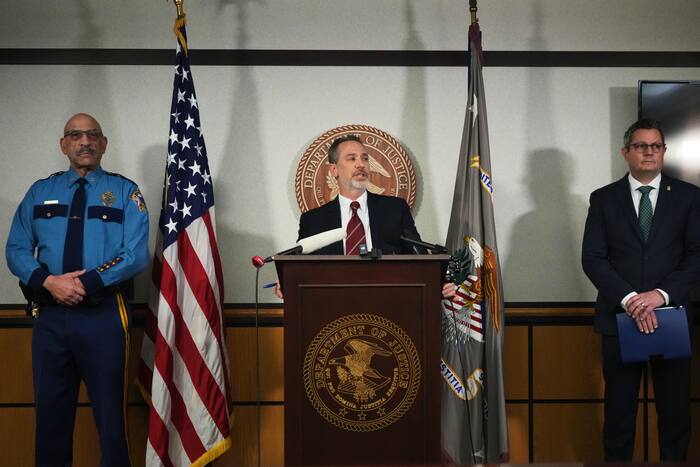
DOJ Seeks to Isolate Alaska Ballots Amid Voter Confusion Probe and Senate Race
Federal Court Rejects Justice Department Ballot Segregation Bid in Alaska Senate Race Federal authorities pushed to isolate specific...
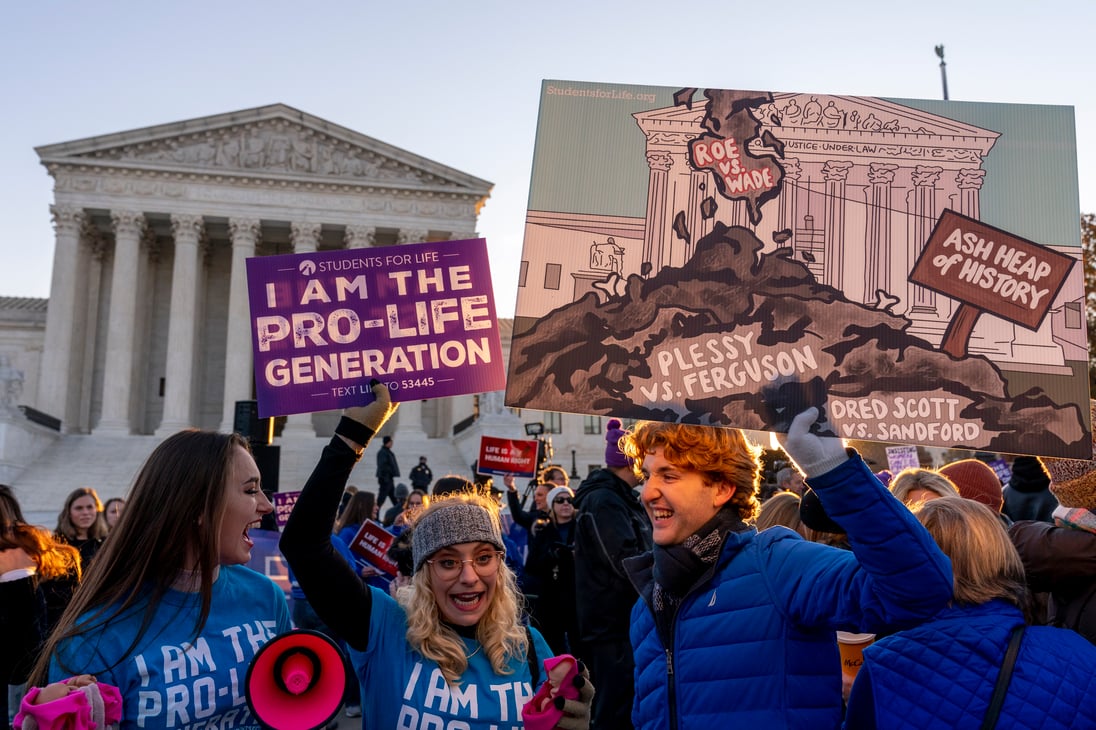
Ninth Circuit Clears Idaho to Enforce Abortion Ban Pending Appeal
Ninth Circuit Freezes Injunction, Allowing Idaho to Enforce Abortion Ban in Health-Risk Cases A divided federal appeals court...

Lincoln Secures $11.7 Million Federal Grant to Improve West O Street
Lincoln Secures $11.7 Million for West O Street Safety Overhaul The city of Lincoln has been awarded an...

Morning Keys: Tobin on recovering Amoris Laetitia – Where Peter Is
Cardinal Tobin Assesses Amoris Laetitia Recovery Amid Surgery Cardinal Joseph Tobin of Newark published a column declaring that...