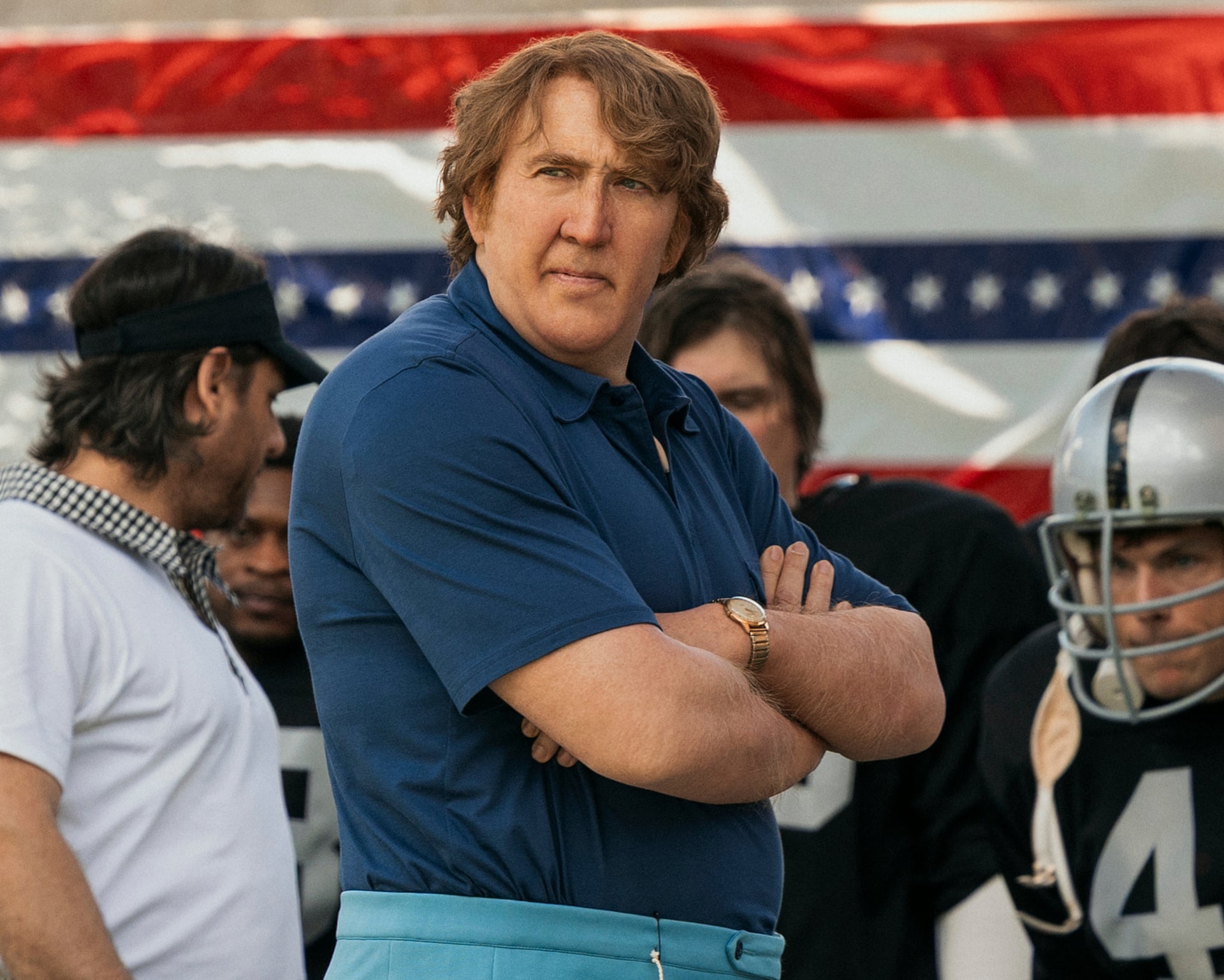
John Madden was a beloved American original, a coach whose influence on the NFL and the gaming landscape remains unmatched, but the new Amazon biopic Madden reduces this cultural icon to a thin, cartoonish caricature.
Released on Wednesday, November 18, the film struggles to reconcile the gravity of its subject with a slapstick tone that leaves the audience questioning its intent. According to The Guardian, the film is a “disservice to the man” after director David O. Russell fumbled the lead casting.
Nicolas Cage, playing the titular role, relies heavily on a 30-pound prosthetic suit atop 25 pounds of weight gained for the production. Cage, 62, described his process as a “hybrid approach,” involving the pasta he enjoyed to pack on the necessary weight.
Yet, critics argue this physical transformation obscures the man beneath. Variety notes that the performance is “two parts impersonation, one part Nicolas Cage kabuki,” leaving the viewer at an emotional distance from the coach who died in 2021.
The film’s failure to resonate is underscored by its dismal performance on review aggregators. As of the week of release, Forbes reported that the film holds a 13% “rotten” score on Rotten Tomatoes.
This stands in stark contrast to other football-themed projects like American Underdog, which maintained a 75% “fresh” rating. The narrative structure, which attempts to cover Madden’s transition from Super Bowl-winning coach to the face of a video game empire, feels fragmented and, at times, abrasive.

Christian Bale, cast as Raiders owner Al Davis, is one of the few elements of the film that critics acknowledge with some degree of nuance. While Bale captures the “pimp swagger” and Brooklyn accent of the late owner, his performance is trapped within a film that The Hollywood Reporter likens to being “cornered at a party while sober by a wired cokehead.”
The inclusion of composite characters, such as the neighbor played by Shane Gillis, further complicates the film’s attempt at a sincere tribute, with the New York Times describing these additions as a “desperate Hail Mary.”
For the American consumer, Madden represents a high-stakes attempt by Amazon MGM Studios to leverage massive brand equity. The film serves as a reminder of the industry’s ongoing obsession with IP-driven storytelling, where the goal is often to capture the nostalgia of a demographic that grew up watching Madden on Sundays.
However, the creative execution suggests that the studio may have prioritized a recognizable name over a cohesive narrative structure. In the eyes of many critics, the film’s inability to decide whether it is a serious drama or an SNL-style sketch results in a product that serves neither the audience nor the legacy of the man it purports to honor.

“There is only one John Madden. They didn’t make another one,” Bale’s character notes in the film, a sentiment that highlights the difficulty of translating such a singular figure to the screen.
As the industry continues to push for content that can unite football fans and general viewers, the reception of Madden serves as a cautionary tale: even with a powerhouse cast and a legendary subject, the lack of a clear artistic vision can turn a potential triumph into a critical and commercial fumble. The film remains, in the words of IndieWire, a “bland example of brand management.”
Disclaimer: The cultural analyses and financial data presented in this article are based on available public records and industry metrics at the time of publication.
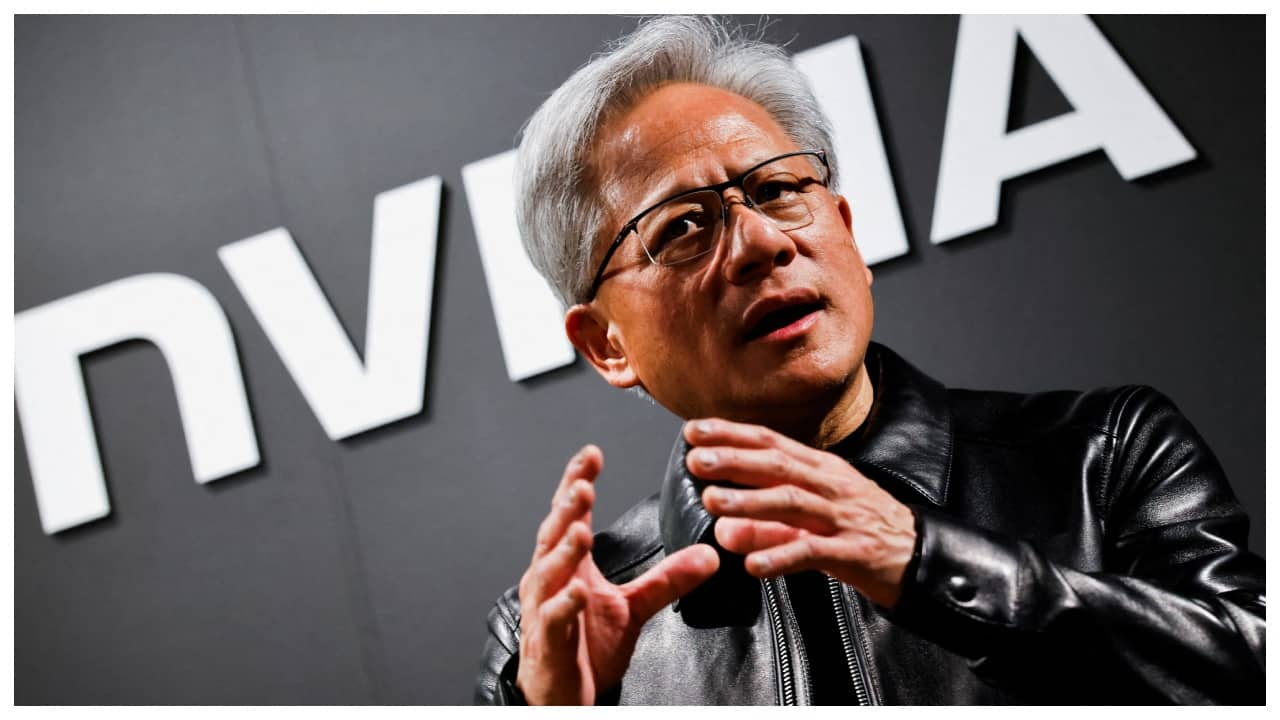
Nvidia Shares Fall After Earnings Beat as Leadership Vacuum Looms
"I mean, Jensen has been probably the most prominent CEO over the last couple of years.

Maura Higgins Secures Spot in Dancing With the Stars US Final After High-Scoring Semi-Final
Maura Higgins has officially waltzed her way into the season finale of the US version of Dancing with...

The Wachowskis File to Reclaim The Matrix Rights From Warner Bros.
Lana and Lily Wachowski have officially notified Warner Bros. of their intent to reclaim the rights to The...

Larry Hankin, 88, Spotted in Rare LA Outing 22 Years After Friends Role
Larry Hankin, 88, was spotted at a Los Angeles restaurant, his first public sighting in 22 years. Larry...