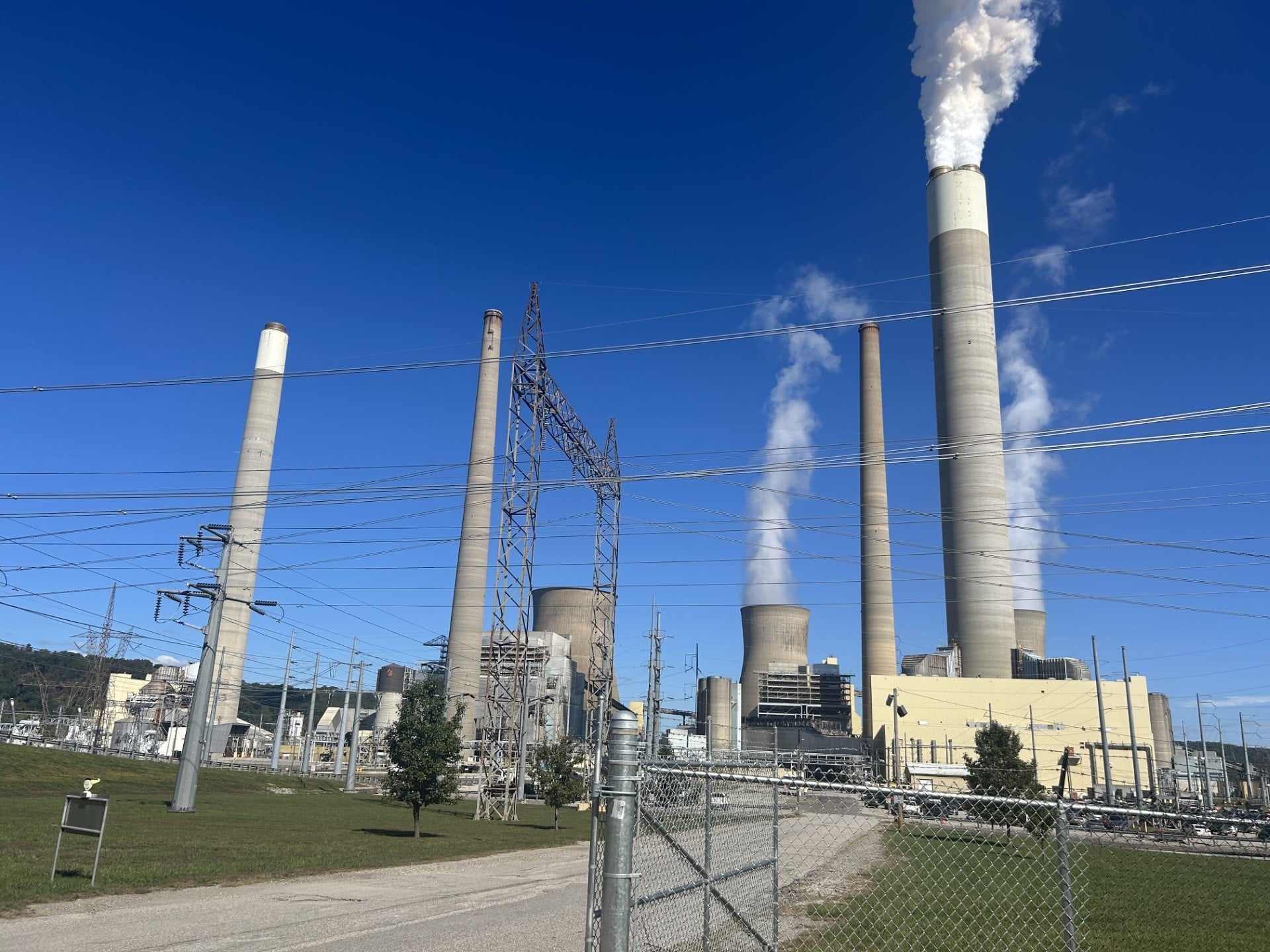
Landowners in West Virginia are alleging coercion and deceptive negotiation tactics by agents working for the Mid Atlantic Resiliency Link (MARL) project, according to testimony delivered Wednesday before the Public Service Commission (PSC).
For some residents of Hampshire County, the MARL project is viewed as a threat to the value and utility of their land.
NextEra Energy terminates agent for using coercion
Sarah Powers, the senior director of development at NextEra Energy Transmission, faced questioning Wednesday regarding the conduct of third-party contractors. Specifically, testimony highlighted an employee from the Texas-based Lone Star Land Services who allegedly used coercion to pressure a landowner into signing an agreement. The agent reportedly told the landowner they would be subject to a restraining order on a portion of their own property to facilitate surveying and appraisal work.
Powers testified that the employee in question was terminated immediately following these events. She defended the company’s standards by explaining the specific code of conduct and training that all land agents must agree to upon hiring. While Powers noted that many of the ten-plus agents working in West Virginia are locals or native residents, the incident shows how volatile the land acquisition process can be.
Landowner rejects restrictions on hunting and firearms
Lance Evans, who owns more than 200 acres along the MARL route, told the PSC that the proposed property agreements were unacceptable. Evans pointed to expansive restrictions on the use of firearms and hunting, as well as a requirement to notify the company of who is hunting on his property.
“All that paragraph tells me is that I have no control over my 226 acres of ground during hunting season, and it also tells me I have to call and tell you who’s hunting my property,” Evans said. “In West Virginia, I’m sorry, but that won’t cut it.”
Powers testified that the intent behind these provisions is safety—specifically to prevent anybody from being shot. She claimed that the company has been open to modifications, stating she hasn’t seen a single easement agreement that hasn’t undergone some change at the landowner’s request.
Cost-cutting over residential proximity
The testimony also touched on the physical placement of the lines. Scott Martini, a Hampshire County resident, testified that the proposed MARL line would sit approximately 39 feet from his home. Martini noted that there are existing transmission lines nearby, but the MARL project is planned for the residential side of those lines rather than the opposite side, where no homes exist.
When Martini questioned the land agent on this decision, the agent reportedly told him it was cheaper to pay the homeowners for the easement than it was to redesign the line to avoid the houses. Martini further alleged that the agent omitted critical details—such as “blowout zones” for high-wind sway and structure pads—while repeatedly pressing the family for a settlement figure.
Wotring argues project destroys pristine natural land
John Wotring testified that the project would destroy some of the most “pristine natural land” in the region, arguing that the aesthetic loss carries a value that cannot be easily compensated with a check. Wotring suggested that many landowners will never support the project because of the fundamental change it brings to the area.
In response, Powers testified that the company intends to compensate owners affected by construction or operation regardless of the property’s use. For those with unresolved questions, she directed them to a company hotline designed to facilitate answers and problem-solving.
While NextEra Energy Transmission views easement agreements as negotiable, some residents of Hampshire County view the project’s terms as infringements.
Testimony before the Public Service Commission is scheduled to continue Thursday at 9 a.m.
Related reading
Asa Montgomery commits to Duke as No. 3 recruit in 2027 class
Asa Montgomery, the No. 3 overall recruit in the 2027 class, committed to Duke on Wednesday afternoon, choosing...

Trump Returns to Ohio to Campaign for Husted and Vivek Ramaswamy
President Donald Trump returned to Ohio on October 28, 2026, for a campaign rally at Ohio University Chillicothe’s...

Villa Vie Residences leaves passengers stranded in Cambodia
The suspension of the MV Odyssey’s global voyage in Cambodia followed unsustainable financial pressure caused by extraordinary increases...

1993 Chevrolet K2500 Suburban Cheyenne Shows Only 17k Miles
A 1993 Chevrolet K2500 Suburban Cheyenne with just 17,000 miles is heading to auction at no reserve, Bring...